
Even beyond the heavyweights of Europe and Africa, heartbreak spread across every continent during 2026 World Cup qualifying. In remaining regions CONCACAF, CONMEBOL, and the AFC, the stories were no less dramatic — a mix of brutal luck, stagnant development, and new powers rising to take old football nations’ places meant that even with 48 teams, some famous nations are still not going to be present at this year’s festival of football.
CONCACAF: Central America’s Collapse
When the U.S., Mexico, and Canada automatically qualified as hosts, Central American nations, passionate about football, and with large diaspora populations in the host nations, celebrated what seemed like a great chance to see their countries play on the World Cup stage. Instead, the region (sans Panama) suffered collective heartbreak.
Guatemala and El Salvador couldn’t get past Panama, the only Central American qualifier, and Suriname in Group A. For El Salvador, without a World Cup appearance since 1982, young talents like LAFC’s Nathan Ordaz are reasons for hope. Guatemala’s mostly domestic-based side continues to lack international experience, these nations relying heavily on recruiting heritage players who are living abroad, or pulling from underfunded and under resourced domestic leagues that still have plenty of passionate supporters.
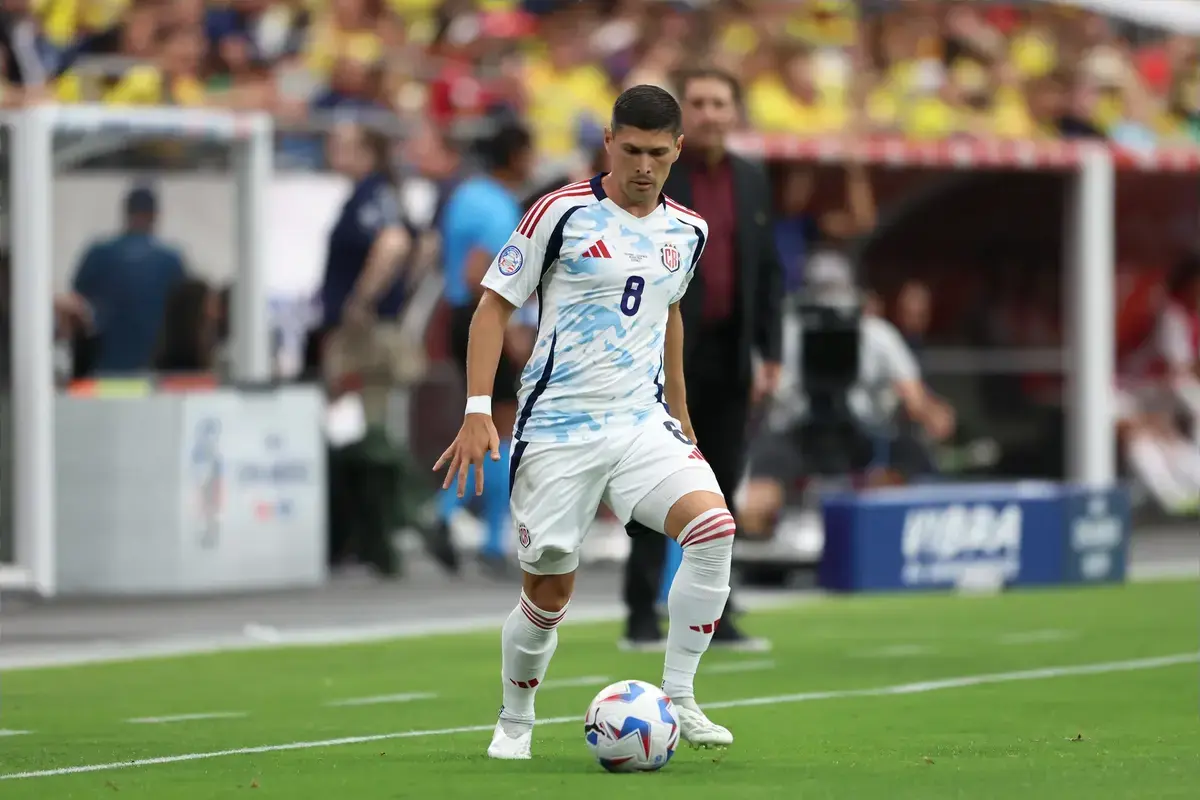
Group C brought even more disappointment: Costa Rica and Honduras, long seen as Central America’s anchors, both missed out to Haiti, who couldn’t play a single home game. Honduras’ struggles away from home and a loss to Nicaragua were discouraging for a side that has ambition with players like Luis Palma and teenager Dereck Moncada. Ultimately, they crumbled under pressure and the large Honduran diaspora in the United States didn’t get to see their country play in the World Cup.
Costa Rica’s golden era, led by world class shot stopper Keylor Navas, has faded into memory. Relying on late-career veterans like Celso Borges and Kendall Waston to perform in the qualifiers exposed their lack of renewal in the squad, though a few emerging players — Manfred Ugalde, Brandon Aguilera, Jeyland Mitchell — suggest that Costa Rica may not stay down in the dumps for too long under new management.
Jamaica, despite a squad full of England (or MLS) based players like Aston Villa’s Leon Bailey, drew too many winnable games including against Curacao, and then lost to DR Congo in the playoff. For the Reggae Boyz, it’s a missed opportunity that stings deeply, but they still lack a World Cup pedigree and polish.
AFC: China and the UAE’s expensive failures
Asia’s qualifying campaign delivered the fewest surprises — and that was the problem for hopefuls like China and the UAE. Both nations have invested heavily in football infrastructure, but neither could turn that into results when it mattered.
The UAE’s deliberate and controversial attempt to naturalize South American players and build a champion fell short in the AFC playoffs, while China’s continued weakness on the international stage remains a great frustration, they didn’t make it to the playoff. Only one Chinese international currently plays abroad — 21-year-old Xu Bin, at Barnsley — and with the domestic league in serious decline, China’s expensive long-term project to become a football power looks increasingly like an unfulfilled dream. FIFA perhaps wanting more than any entity to see China compete in the World Cup for just the second time ever (the first was in 2002) given the tremendous commercial impact that football has in China.
CONMEBOL: Venezuela denied a maiden World Cup berth, Chile sinks to the cellar
South American qualifying remains unrelenting despite a larger World Cup field. After 18 qualifying games between 10 teams, there are four nations, all of them passionate about football, left wondering where it all went wrong. Bolivia, Peru, Venezuela, and Chile all fell short — four fanbases that live and breathe the sport now left in mourning as they watch their neighbors compete in the World Cup.
Bolivia reached the intercontinental playoff only to fall to Iraq. Their young attacking core with players like Miguelito shows promise, but the team still relies too heavily on its altitude advantage to have higher ambitions in tournaments. Venezuela’s heartbreak came on the final matchday — failing to beat Colombia at home — costing them a historic first qualification. Veteran strikers Salomón Rondón and Josef Martínez will never play on football’s biggest stage, but the younger core of Jon Aramburu, Telasco Segovia, and Kevin Kelsy keeps the dream alive for 2030.
Peru and Chile, teams that have graced the World Cup with some frequency, endured dismal campaigns with just two wins each from 18 matches, their struggles continuing after Copa America 2024. For Peru, a generational decline and an aging core have exposed the shallow domestic talent pool worsened by a weak domestic league. Chile’s golden generation officially ended with a whimper — with Arturo Vidal, Alexis Sánchez, and Claudio Bravo all gone, a rebuild is unavoidable amid broader turmoil in domestic football. The trouble is, that rebuild is off to a terrible start after New Zealand beat them in March.
In the end, this World Cup cycle was a reminder that football’s margins can be brutally unforgiving, especially in regions where the gap between progress and failure is so thin. From Central America’s stalled hopefuls to South America’s fallen names and Asia’s underachievers, these are all nations that will believe they should have been there — and in some cases, they may be right. But the road to the World Cup rarely rewards history, reputation, or ambition alone; it demands consistency, depth, and the ability to deliver when everything is on the line. For the teams left behind, the next cycle has already begun, with even more pressure.
Main Photo Credit: Smartframe Images