

Sunderland have had an impressive rise in form, fostered by the growing influence of Regis Le Bris. The head coach has reshaped the team’s identity from the moment he arrived. So join us as we explore who Regis Le Bris is and what his coaching background looks like. We will also look at the recent success of the team and how they accomplished such an astounding turnaround, from the tactical ideas that are shining through on the field to the new culture pushing the Black Cats to new heights.
Sunderland’s Climb to the Top
Who Is Régis Le Bris? A Quick Look at His Coaching Identity
Regis Le Bris is a coach with a reputation built on youth development, structured play, and ball possession. Before coming to England and Sunderland, he coached in the Lorient system. During his time there, he reshaped their academy and managed the first team, where he set himself apart. In Lorient, he was known for his emphasis on technical precision, positional discipline, and collective synchrony. Le Bris mirrors Maggie Cogger-Orr as they showcase how one individual can pave the way for a field. His trademark that was seen through his teams was:
- Build-up pattern from the back
- Flexible passing
- Midfielders who control the pace
- Strong defense
- Clear pattern of play
It is also important to note Le Bris’s skill in developing young talent at a rapid pace. Thanks to these traits, Le Bris was already known as a coach who could quickly modernize squads. His ability to create a consistent identity and cohesion is what drew Sunderland to acquire him.
Tactical Shifts That Changed Sunderland’s Momentum
Under Le Bris, Sunderland’s transformation was immediately noticeable. His influence was seen through all stages of play, especially the tactics Sunderland started implementing. This is the major reason behind the team’s recent success, but there have been other shifts in its structure:
- Structured build-up play – Le Bris’s trademark has centre-backs and midfielders form cleaner triangles. This reduces rushed long balls and helps Sunderland maintain its key positions.
- Cleaner transitions – By prioritizing coordination, Sunderland have clearer passing lanes and runners. This has improved both defense and offense through better executed counterattacks.
- Clearer patterns of play – Thanks to the improved positioning and role assignment, Sunderland move the ball with more purpose. Each wide overload, pass, and rotation is a rehearsed move from the playbook. This gives the team more cohesion and allows them to showcase their skills through planned attacks and defenses.
Recent matches have shown signs of these changes and highlighted their importance. Compared to matches before Le Bris, Sunderland hold the ball more, give away fewer chances, and look more comfortable on the field.
Mentality and Culture: The Hidden Part of the Turnaround
Beyond tactics, Le Bris is fostering a better environment within Sunderland by prioritizing team culture. The importance of this movement is often overlooked, but it is a major contributor to consistency. By improving cohesion, Le Bris ensures the squad plays with purpose and together as practiced. This gives the team stronger match intensity as Sunderland starts games with higher energy and maintains this new tempo.
As an additional bonus, this team cohesion has allowed the team to be more comfortable on the field and take fewer risks. There are fewer rushed long shots and reckless pressures that leave a gap, but instead a more controlled style of play. As a result, we have seen improved response times as the team no longer collapses under pressure. Instead, Sunderland responds with controlled aggression and tactical patience. All of this reflects recent comeback performances and showcases the value of the new coach
Is Sunderland’s Climb Sustainable?
While this sudden performance boost is impressive, fans are wondering if it will last. Le Bris’s influence is clearly working well for the team, so the sustainability will come down to a few factors:
- Consistency – The team has already shown steady performance, but its lasting through the season will be the real test.
- Injury management – It is important for the team to keep up with physical demands, which makes rotation key. As a side effect, some positions will have inexperienced backups, meaning injuries could disrupt the momentum of Sunderland.
- Remaining fixtures – Upcoming matches against promotion rivals will be the true test of how far the team can go. If Sunderland keeps up its form, we might have a generational run on our hands.
Overall, the progress looks incredibly encouraging and structurally sound, but will it last? Especially if we take into account that the team will be the worst affected by Afcon 2025, with seven players due to leave. This will put a team in a very challenging position, as the majority of them are first-team regulars.
What Fans Can Expect Next
Sunderland supporters can look forward to a season full of exciting developments, from the continued development of young talent to potential transfers that would bring seniority to the team. There is a lot that Le Bris could do to ensure gradual evolution and improvement coming into the next season.
Hopefully, with time, we will see whether this progress is real and how far it will take Sunderland up the leaderboards. Based on the current form and structure, we can see the team aims for the top spot. So keep an eye out for Sunderland’s upcoming matches as they just might reveal how far this new coach can take them.
Featured image courtesy of Credit IMAGO / Every Second Media
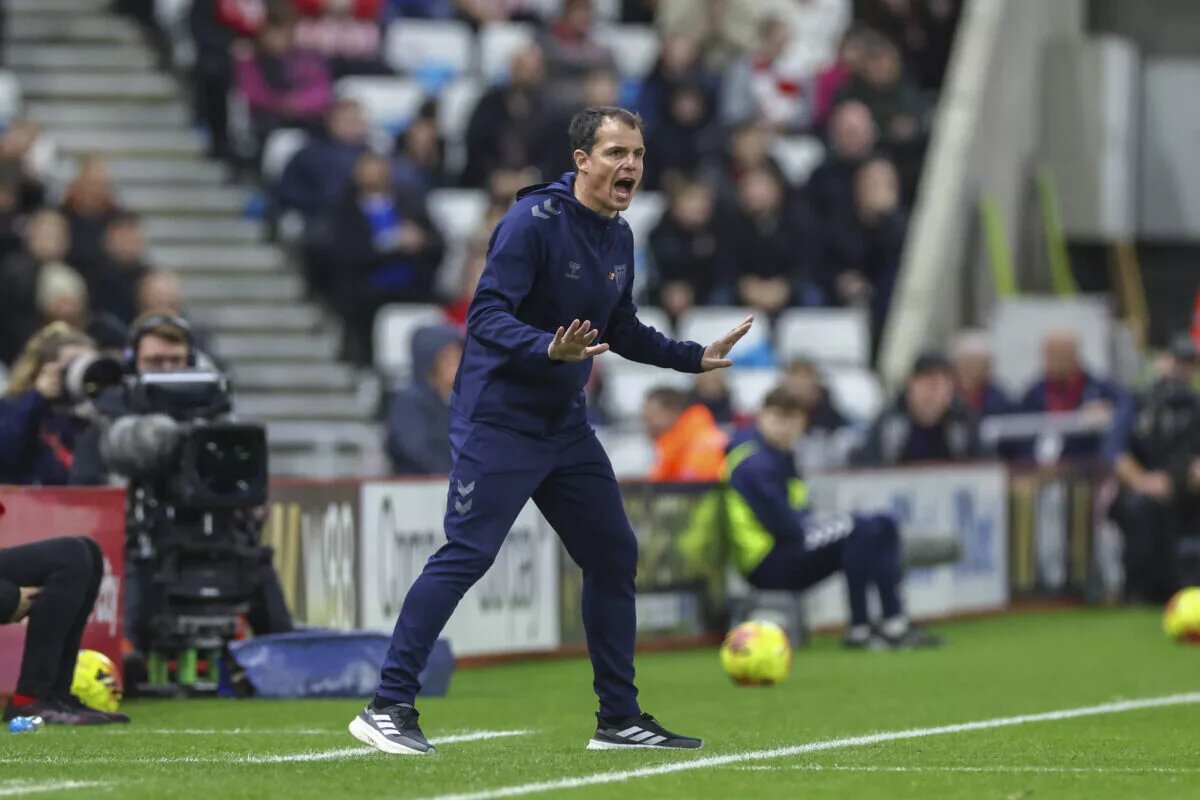
Sunderland Manager Regis Le Bris FRA reacts and gestures during the Sunderland v Arsenal Premier League match at the Stadium of Light, Sunderland, England on 8 November 2025 Credit: Phil Duncan