MLS and Liga MX Set Quarterfinal Stage For Leagues Cup 2025
The sixth season of the Leagues Cup wrapped up its round-robin stage with four MLS and four Liga MX teams punching their tickets to the quarterfinals.
A Brief History of the Leagues Cup
Launched in 2019, the Leagues Cup was designed as a joint venture to boost revenues and exposure for MLS and Liga MX. For Liga MX clubs, the appeal is simple: another chance to play in the United States, tap into the massive Mexican-American fanbase, and maintain a connection with fans living north of the border. For MLS, it’s a proving ground against historically stronger Mexican opposition, and a chance to convert some of that Liga MX audience.
Liga MX still dominates TV ratings in North America, while MLS has wrestled with a lack of national visibility behind Apple TV’s paywall compared to the Premier League, and Liga MX. That makes the Leagues Cup an attractive marketing platform, with matches broadcast in both English and Spanish on Apple TV, Fox Sports, and Univision. From a TV ratings standpoint, the tournament has driven more viewership than a typical MLS regular season game.
The tournament has crowned four champions in six years (one edition was friendlies only). Cruz Azul (2019) and Club León (2021) delivered early Liga MX dominance similar to the CONCACAF Champions Cup, but MLS has won the past two editions. Lionel Messi’s Inter Miami lifted the 2023 trophy in dramatic penalty shootouts, while Columbus Crew claimed the 2024 crown. Messi debuted for Inter Miami in Leagues Cup,and put together magical performances in front of sold-out stadiums in what was the biggest stage for the tournament, a global one.
Fixture Congestion and Transfer Window Fireworks
Played in August, the Leagues Cup arrives during Liga MX’s Apertura kickoff and deep into the MLS regular season, though MLS is expected to shift its calendar to match Europe’s. The open summer transfer window adds intrigue, with new stars debuting in this competition.
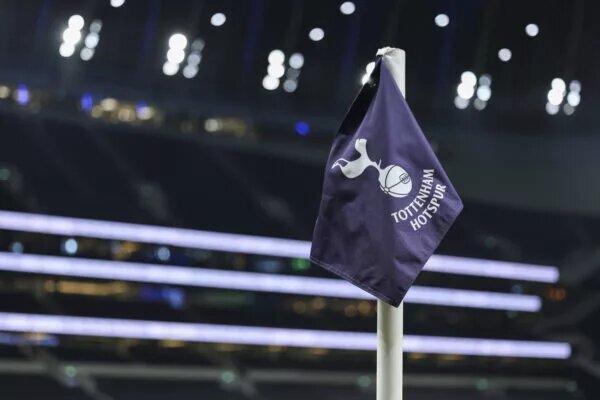
This year’s headlines included two Atletico Madrid departures: Ángel Correa lighting up Tigres UANL with four goals in three games, and Rodrigo De Paul slotting seamlessly into Inter Miami’s midfield with a goal and two assists. Not every signing impressed, Pumas’ legend Keylor Navas saw red and an early exit as his side failed to advance. MLS’s biggest summer splash, Heung-Min Son from Tottenham to LAFC, came too late for a Leagues Cup debut.
The talent influx has been steady for both leagues in recent years. Sergio Ramos turned heads at the Club World Cup with Monterrey, Colombia’s James Rodríguez joined León and has flashed magic, Allen Saint Maximin is joining Club America, former Mexico international Hirving “Chucky” Lozano returned from Europe with MLS expansion side San Diego FC, and Belgian league standout Kévin Denkey signed for FC Cincinnati. Quality across both leagues is as high as it’s been in decades, though MLS still chases commercial stability and Liga MX faces structural questions over multi-club ownership and the possible return of promotion/relegation amid legal disputes.
Empty Seats and Missed Opportunities
To create direct league-vs-league matchups, MLS limited participation to its top nine clubs from each conference, matching Liga MX’s 18-team roster. Liga MX sides were allowed to cluster matches in specific U.S. regions to reduce travel, often in cities with larger Mexican fanbases.
But low stakes, inconsistent ticket pricing, and the exclusion from many MLS season-ticket packages hurt attendance. Add political headwinds from American President Trump’s immigration policies targeting the Latino and immigrant community that is more likely to follow Liga MX and MLS, and midweek scheduling, and the result was a string of half-empty venues. Large NFL stadiums in Charlotte and Atlanta looked hollow, with clubs like Necaxa, which has a new FX documentary, failing to draw in Atlanta.
Why the Champions Cup Still Matters More
The Leagues Cup does offer a route to the CONCACAF Champions Cup — but top clubs from both leagues usually qualify anyway. And the Champions Cup carries more prestige, especially after the buzz of FIFA’s expanded 2025 Club World Cup in the U.S. Clubs like Seattle, Pachuca, and Monterrey banked huge international exposure (and prize money), bolstering their domestic competitiveness.
The Champions Cup’s home-and-away format delivers better atmospheres, especially in the later rounds, and fans value those runs more. Just ask Columbus supporters how they would compare the 2024 Leagues Cup title, compared to the Champions Cup final run.
This year’s Leagues Cup quarterfinals feature: Liga MX minnows Puebla at Seattle, LA Galaxy hosting Pachuca, defending Liga MX champions Toluca vs Orlando City in Southern California, and Inter Miami vs Tigres in a showdown full of Argentine stars (Juan Brunetta, Nahuel Guzman, and Correa carry Tigres). Still, outside of Miami’s clash, the buzz doesn’t compare to a Champions Cup knockout night. When Toluca defeated Club America in the Mexican super cup recently in Southern California, the stadium was alive, it would be unlikely for a match with Orlando City to do produce the same atmosphere.
Star Power Can’t Carry This Alone
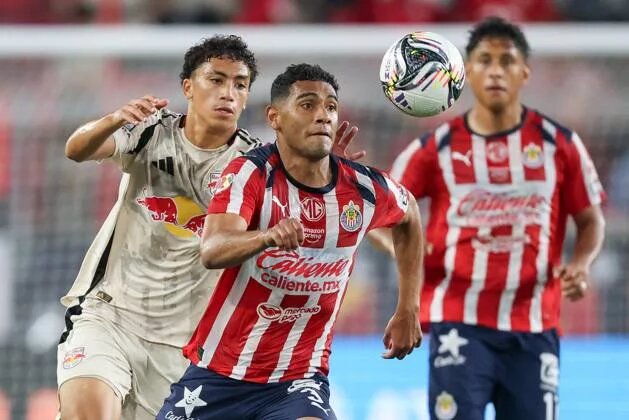
The absence of Mexico’s “big four” (América, Chivas, Cruz Azul, Pumas) in the knockouts is a major blow, leaving Tigres as the lone attendance powerhouse, and their U.S. fanbase is primarily in Texas. Inter Miami remains MLS’s global face thanks to Messi, and the Sounders and Galaxy have name recognition, but most other MLS sides remain regional draws. Liga MX has two clubs located on the U.S. Border, FC Juarez and Tijuana Xolos, but neither has sustained a U.S. fanbase as the clubs have struggled for sustainable investment.
Unless FIFA relaxes cross-border domestic competition rules, the idea of a merger between Liga MX and MLS remains out of sight. The Leagues Cup is unlikely to vanish, given the commercial opportunity it represents but without consistent fan engagement, strong storylines, and the right matchups, it’s hard to see it moving beyond the half-full stadium problem. Even Mexico’s El Tri Somos Locales Tour games in the United States, often criticized as money grabs, manage to draw sizeable audiences in venues like Salt Lake City, while the US Men’s National Team rarely draws much of a crowd on its own.
For now, Leagues Cup is tournament with hypothetical promise, but one too often defined by games between teams playing for nothing (many already eliminated by the third game) and the sound of empty seats, as fans, tapped out from the Club World Cup, Gold Cup, Premier League Summer Tour, and long domestic seasons, wonder why their teams are risking injuries and fatigue for a tournament that doesn’t offer much in the way of glory.
Main Photo Credit: Imago Images Copyright: xVincentxCarchiettax