Certain Premier League players have become notorious for being perceived as lazy—either through a visibly laid-back style, a reluctance to track back, public comments from managers or teammates, or poor effort in training. However, it’s crucial to distinguish between genuine laziness and nonchalance or a composed, relaxed playing style. Below is an exploration of some of the most commonly cited “lazy” players, how this reputation formed, and whether their “laziness” hindered or, paradoxically, enhanced their footballing legacy.
Premier League Players Known for Laziness
1. Dimitar Berbatov
-
Clubs: Tottenham Hotspur, Manchester United, Fulham
-
Reputation: Berbatov’s elegant and laconic approach infuriated some supporters and baffled others. His tendency to stroll around the pitch, seemingly uninterested in pressing or defensive duties, earned him constant accusations of laziness.
-
What set Berbatov apart was that his “laziness” often translated into brilliance—a superb first touch, precise finishing, and a unique ability to dictate play. Berbatov himself addressed the criticism: “You know when someone has great qualities they don’t have to put much effort into things”.
-
Our Insight: Even former teammate and opponent Brede Hangeland placed Berbatov in his “Lazy XI,” noting the Bulgarian’s lack of willingness to do “the dirty work”.
2. Emmanuel Adebayor
-
Clubs: Arsenal, Manchester City, Tottenham Hotspur, Crystal Palace
-
Reputation: Emmanuel Adebayor drew criticism from fans and teammates alike for his inconsistency and lack of application, especially off the ball. Brede Hangeland’s anecdotes about Adebayor skipping gym work in favor of coffee breaks cemented the striker’s reputation as a “luxury player”—one brilliant moment, then minutes of aimless wandering.
-
Notable Anecdote: Hangeland recalls marking Adebayor during a match, only to have Adebayor start talking about being hungry and ask for restaurant recommendations mid-game.
3. Mesut Özil
-
Clubs: Arsenal
-
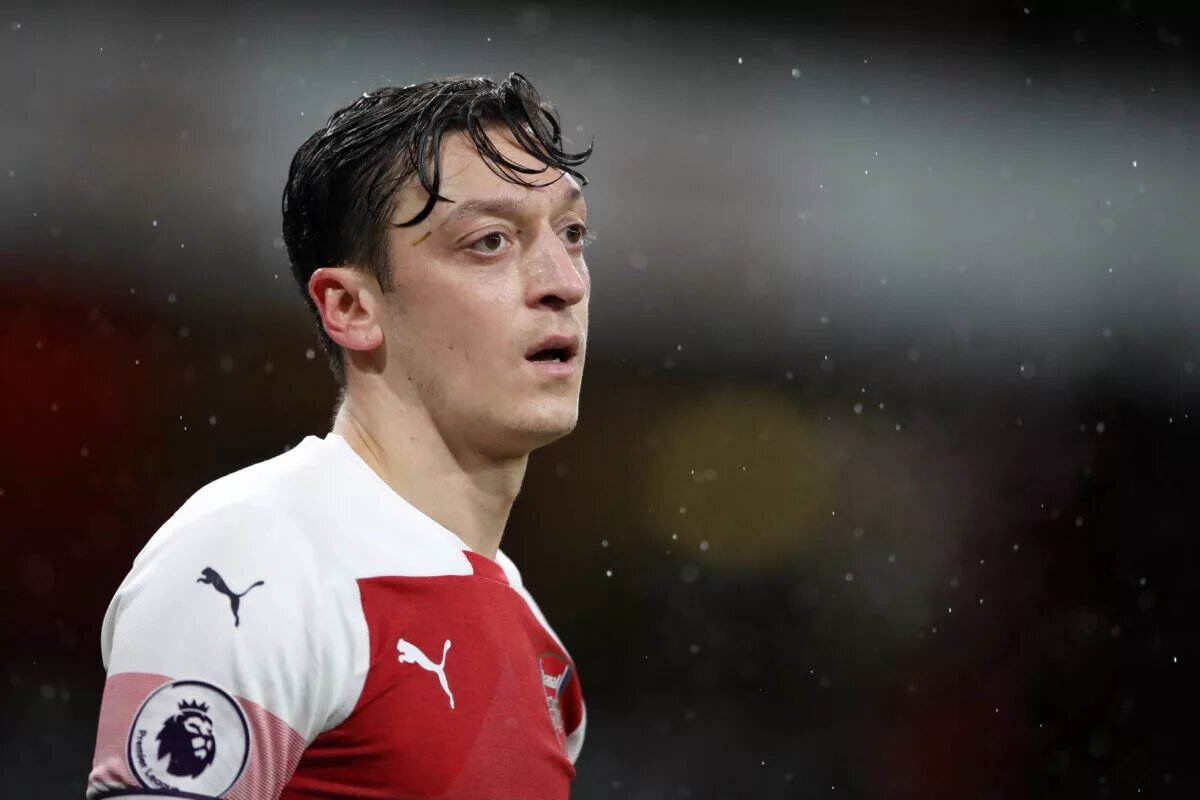
Reputation: Exhibited extraordinary vision and technical ability but was frequently criticized for not ‘putting in a shift’—rarely sprinting back or showing physical intensity, especially in high-pressure matches. Mesut Özil’s languid style led to persistent accusations of being disinterested or lazy, especially when contrasted with teammates renowned for their work rate.
-
Fan Debate: Fans are divided; some argue his “nonchalance” is mistaken for laziness, others recall matches where he appeared to vanish, especially on defense. Özil will always be a divisive player in the Arsenal fanbase, with some choosing to see his brilliance while others questioning his work ethic.
4. Eden Hazard
-
Clubs: Chelsea
-
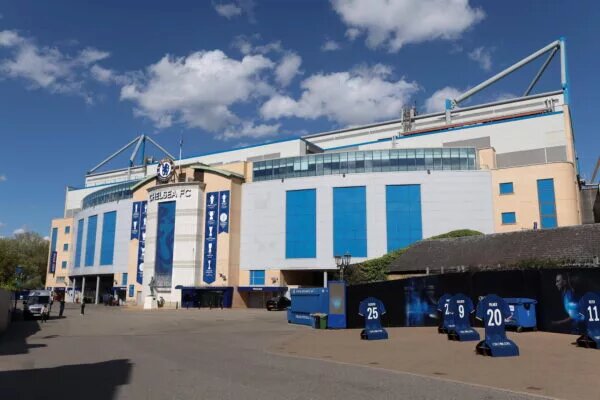
Reputation: At his peak, Hazard was the most feared dribbler in the league. However, stories of poor training habits, a lack of defensive effort, and weight issues during his time at Chelsea and especially after his move to Real Madrid led to accusations that he simply “didn’t want it enough.” Even while dominating matches, pundits noted he rarely chased back, preferring to save energy for attacking bursts.
-
Legacy: While his brilliance has never been in question, Hazard’s perceived lack of professionalism may have limited the heights of his career.
5. Matt Le Tissier
-
Clubs: Southampton
-
Reputation: A club legend with outstanding technical skills, Le Tissier was infamous for his aversion to hard running, defensive duties, or the gym. Even he admitted to cheating on fitness runs in his autobiography. Rather than a flaw, fans often embraced his laziness as part of his legend, since his moments of magic justified the lack of “industry”.
6. Tanguy Ndombele
-
Clubs: Tottenham Hotspur
-
Reputation: Highly talented and physically powerful, Tanguy Ndombele dazzled at times with his ability to glide through midfield, but exasperated managers and supporters with apparent indifference both on the pitch and in training. He frequently played at a jogging pace, failing to track runners or assert himself off the ball.
-
Outcome: Eventually marginalized by management, seen as too much of a defensive liability due to his lack of work rate.
7. Nwankwo Kanu
-
Clubs: Arsenal, Portsmouth, West Bromwich Albion
-
Reputation: Kanu’s play was renowned for its relaxed, almost slow-motion style. Stats once showed he covered less ground than his own goalkeeper in a match, fueling perceptions of laziness. Still, his intelligence and knack for goals meant managers often forgave the lack of effort.
8. Andrei Arshavin
-
Clubs: Arsenal
-
Reputation: Initially brilliant, Andrei Arshavin’s commitment waned as his time in England progressed. Fans and pundits noted his tendency to drift out of games and avoid tracking back, often walking in moments when more exertion was required.
9. Other Notables
-
Carlos Tevez: Despite being a tireless striker at his best, Tevez was at times accused by managers of downing tools, especially when his relationship with clubs soured.
-
Ricardo Quaresma and Robinho: Both wingers possessed immense flair but little interest in consistently helping their teams without the ball, leading to brief, unremarkable spells in the Premier League.
Artistic Genius Vs. Laziness
It’s important to note that for many of these players, the line between genius and perceived laziness is fine:
-
Berbatov, Le Tissier, Özil, and Hazard were match-winners, capable of magic in a moment—the luxury of not pressing constantly, some argued, allowed them to conserve energy for attacking brilliance.
-
Fan and managerial perceptions are deeply subjective. Some fans appreciate a “nonchalant” style as part of a genius’ mystique; others see it as damaging to team ethic.
-
Changing football philosophies: The modern Premier League emphasizes high pressing and intense work rate, making so-called “lazy” players less tolerated today than in previous decades3. What was once accepted as composure or class is now scrutinized as a lack of contribution to the collective effort.
Debates and Defensive Arguments
Some players, such as Özil and Berbatov, have publicly defended their style, arguing that their cerebral approach means they “work smarter, not harder,” reading the game and acting decisively instead of running unnecessarily.
Critics counter that in elite football, every player must contribute both offensively and defensively. As pressing systems dominate, the archetype of the “luxury player” is disappearing.
Fan debates on forums continue to weigh “lazy” genius against hard-working mediocrity, illustrating the deep divide on what makes a great Premier League footballer.
Conclusion and Legacy
The so-called lazy Premier League player is a divisive figure. Some, like Berbatov and Le Tissier, are fondly remembered as cult heroes whose brilliance justified their lack of hustle. Others, like Ndombele and Adebayor, are seen as unfulfilled talents who cost their teams dearly. The enduring debate reflects football’s evolution—and nostalgia for a time when one moment of magic could excuse ninety minutes of minimal movement.
Ultimately, “laziness” in football is both a criticism and, sometimes, a badge of artistry. The Premier League’s history is richer for the gifted nonconformists who confounded fans and opponents alike.
Main image credit: IMAGO / PA Images