


More than most musical movements, punk rock’s influence has changed culture, identity, and traditions, including within pro wrestling. In WWE, a man with Punk in his name is the WWE Heavyweight Champion. One of his greatest rivals, also straight-edged, has a surname paying tribute to Black Flag’s legendary frontman, Henry Rollins. In AEW, Brody King, the lead vocalist of hardcore band God’s Hate, has grabbed mainstream attention for his punk ethos. His infamous “Abolish ICE” t-shirt inspired weekly chants of “F#ck ICE”.
Yet, the influence doesn’t end with the performers and aesthetics. We’ve had several generations of punk-rock inspired wrestlers, from Vampiro to Shannon Moore to The Butcher, from Lita to Ashley Massaro to Ruby Soho. The punk rock ethos and ideals have changed the wrestling business since its inception, even if it took a few generations for that influence to be seen on screen. Without punk rock principles, would there have been a 90s wrestling boom? The indy boom of the 2010s? Or an alternative to WWE today?
But first, let’s define what punk is. Like pro wrestling, music stirs debates of “purity”, authenticity, and right and wrong. However, if we ignore, like in wrestling, the gatekeepers, we’ll see punk rock isn’t one branch of music: it’s a bough with diverse offshoots connected by shared ideas.
Brief History of Punk
Anti-establishment and embracing DIY ethics, punk originated as a working-class movement that promoted rebellion. Challenging the status quo, music created for and by outcasts and outsiders only needed three chords. Sound and lyrics gave a voice to the voiceless with raw energy and emotions, often, but not exclusively, political overtones/undertones.
The word “punk” originated in the 16th century. Shakespeare used it in several of his plays. Its meaning changed from prostitute to hustler over time. The first use of the word punk to describe music was in 1899 in the San Francisco Chronicle. Yet the first artist to describe their music as punk rock was Ed Sanders of the Fugs in the 1970 Chicago Tribune.
From the start of the punk rock explosion, different strands emerged. In Detroit, The Stooges’ aggressive and Iggy Pop’s self-mutilation differed from MC5’s explicit leftist political lyrics. Similarly, in the UK, The Sex Pistols nihilism and controversy differed from The Clash’s political consciousness. Others, like The Buzzcocks in Bolton and The Ramones in New York, approached punk with a melodic, poppier sound.
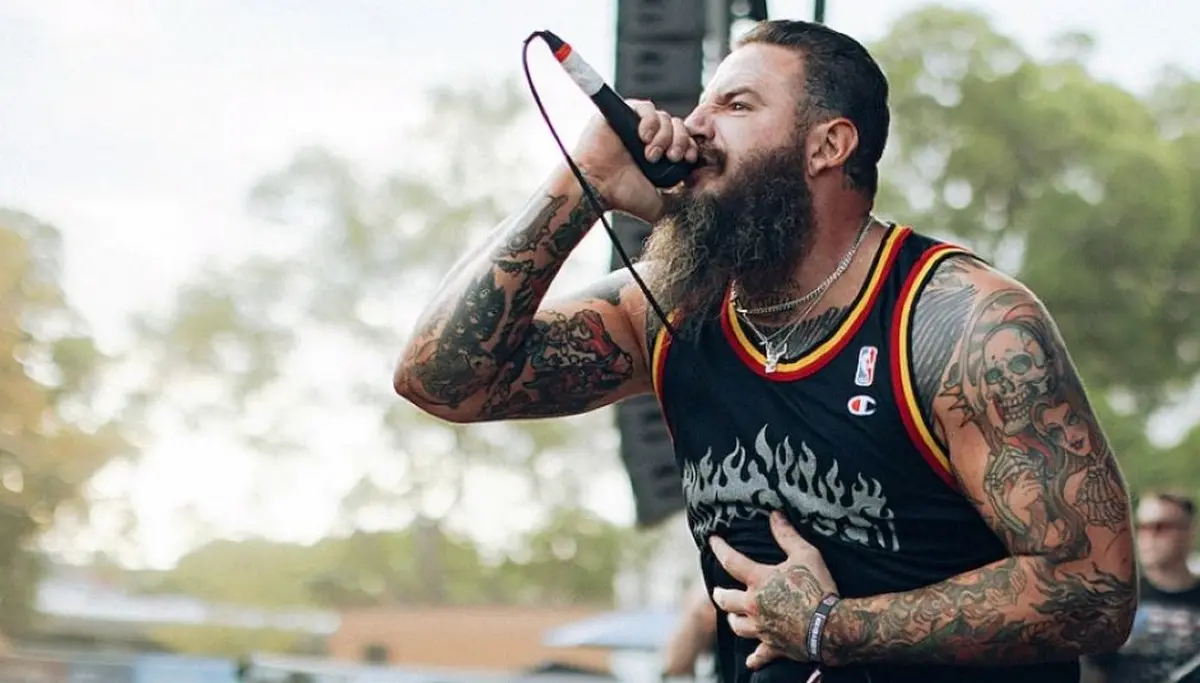
In the 1980s, punk splintered into emo and hardcore. In the 1990s, it influenced grunge and the Riot Grrrl Movement, and concern over preserving authenticity crystallised in opposition to the scepticism of bands trading ethics for recognition. Rebellion for profit. Debate rages on whether The Sex Pistols and The Clash were “manufactured” bands. Henry Rollins, Minor Threat (the originators of the Straight Edge Movement), and Fugazi are placed on pedestals by some for their focus on artistic principles over fame and money. The internal struggle to remain rooted in punk ethos created tension/conflict in Nirvana and Pearl Jam. Modern punk-inspired bands like Green Day and Blink-189 are called “sellouts” by some for their mainstream recognition.
Proto-Punk
In identity, punk and wrestling are unique entities with much crossover. In some ways, various wrestlers and promotions, like The Velvet Underground and The Kinks, were proto-punk forerunners.
Early on, those involved in wrestling often perceived themselves as outsiders. Part of a small, tight-knit community, a DIY mindset led to success. However, while for years the open secret of kayfabe was preserved “underground”, the performances, even if regional, were mainstream and popular despite WWE revisionism.
When the NWA dominated the North American wrestling scene, various outlaw promotions embraced DIY values and made creative choices that ignored traditional values. Black-balled promotions, like Angelo Poffo’s International Championship Wrestling (ICW), succeeded via self-determination. Along with sons, the future “Genius” Lanny Poffo and “Macho Man” Randy Savage, the three joint owners were each responsible for different facets of the promotion, from photography and marketing to making programmes.
Elsewhere in the 1970s, the Continental Wrestling Association (CWA) would push the boundaries of violence, worked shoots and storytelling. Some, like WhatCulture’s Jack Morrell, argue that, based on his straight-edge principles and ethos, Jerry “The King” Lawler is punk. You could compare Lawler in this respect to Eddie Cochran, who was considered “The Grandfather of Punk”. Companies like ICW and CWA set the foundation for the next generation of wrestlers who grew up with punk music influence.
By the 1980s, some wrestlers embraced punk aesthetics, like The Nasty Boys; although one prominent WWE legend, in respect to attitude, energy, and principles, screams punk. “Rowdy” Roddy Piper, CM Punk’s biggest influence, personified rebellion. In 2024, the punk pop band, Be Fair, released a single called Roddy Piper.”