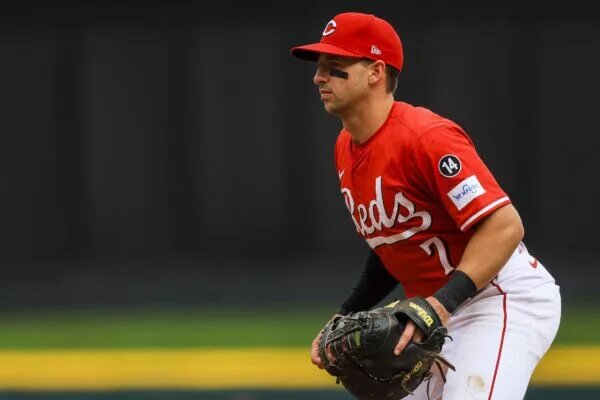

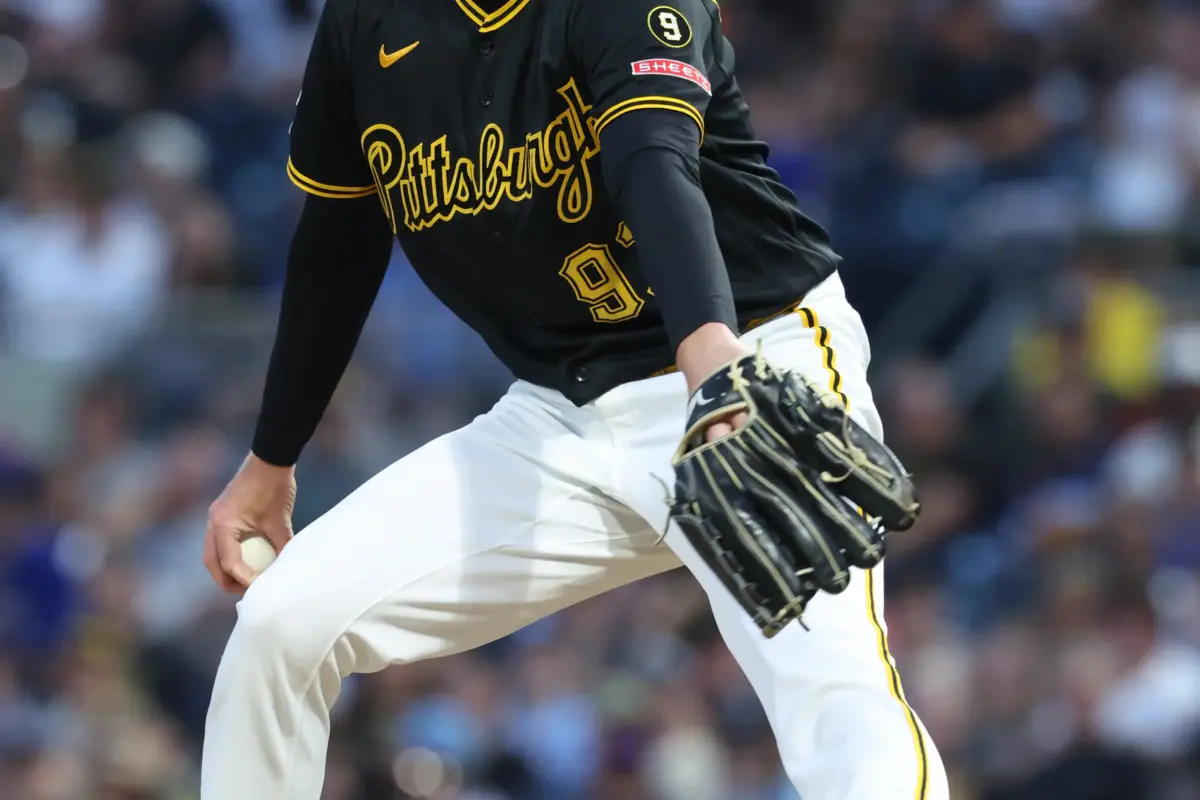

The Ron Marinaccio trade gives the Pittsburgh Pirates a potentially useful right-handed reliever without requiring them to sacrifice a prospect. It also removes a struggling veteran from a bullpen that desperately needed a change. Both parts make the transaction sensible, but neither should convince Pittsburgh that its work is finished.
The Pirates acquired Ron Marinaccio from the San Diego Padres for international signing-bonus pool considerations and designated Dennis Santana for assignment. Marinaccio brings major-league experience, the ability to cover multiple innings and enough previous success to justify believing he can improve. He does, however, not arrive with the recent production of a proven setup reliever, which means Pittsburgh must continue looking for a more dependable late-inning option.

Ron Marinaccio Trade Adds Needed Bullpen Flexibility
Marinaccio’s ability to record more than three outs could become especially valuable for a bullpen that has regularly been asked to cover substantial workloads. He worked more than one inning in 17 of his 33 appearances for San Diego, including at least two full innings 11 times. That gives manager Don Kelly another option when a starter exits early, the bullpen has been heavily used, or Pittsburgh needs a bridge through the middle innings.
The results this season have been uneven. Marinaccio produced a 4.79 ERA with 38 strikeouts over 47 innings for the Padres, but his broader major-league résumé provides more optimism. From 2022 through 2025, he recorded a 3.02 ERA, struck out 149 hitters and held opponents to a .186 batting average across 125 1/3 innings.
His pitch mix gives the Pirates something to develop. Marinaccio primarily relies on a four-seam fastball and changeup, although he carries four pitches overall. His fastball has averaged 93.8 mph this season, while opposing hitters have managed a .369 slugging percentage against the changeup. Pittsburgh has regularly searched for pitchers with identifiable traits that could improve through mechanical adjustments, pitch-selection changes or different usage patterns.
Marinaccio fits that type of low-cost gamble. He has enough history to become an effective member of the bullpen, but his 2026 performance does not support immediately assigning him the most important outs of a postseason race.
Moving on From Santana Became Necessary
Santana entered the season as one of the Pirates’ most trusted relievers after producing a 2.28 ERA in 109 appearances over the previous two years. During that stretch, he struck out 110 hitters, walked 28 and ranked among the National League’s more valuable relievers. His performance this season, however, gave Pittsburgh little reason to believe a quick turnaround was coming.
The right-hander carried a 6.05 ERA through 44 appearances and had already allowed eight home runs. He surrendered only seven homers during his first 109 games with Pittsburgh. His slider also became substantially less effective, with opponents’ slugging percentage against the pitch rising from .283 to .455.
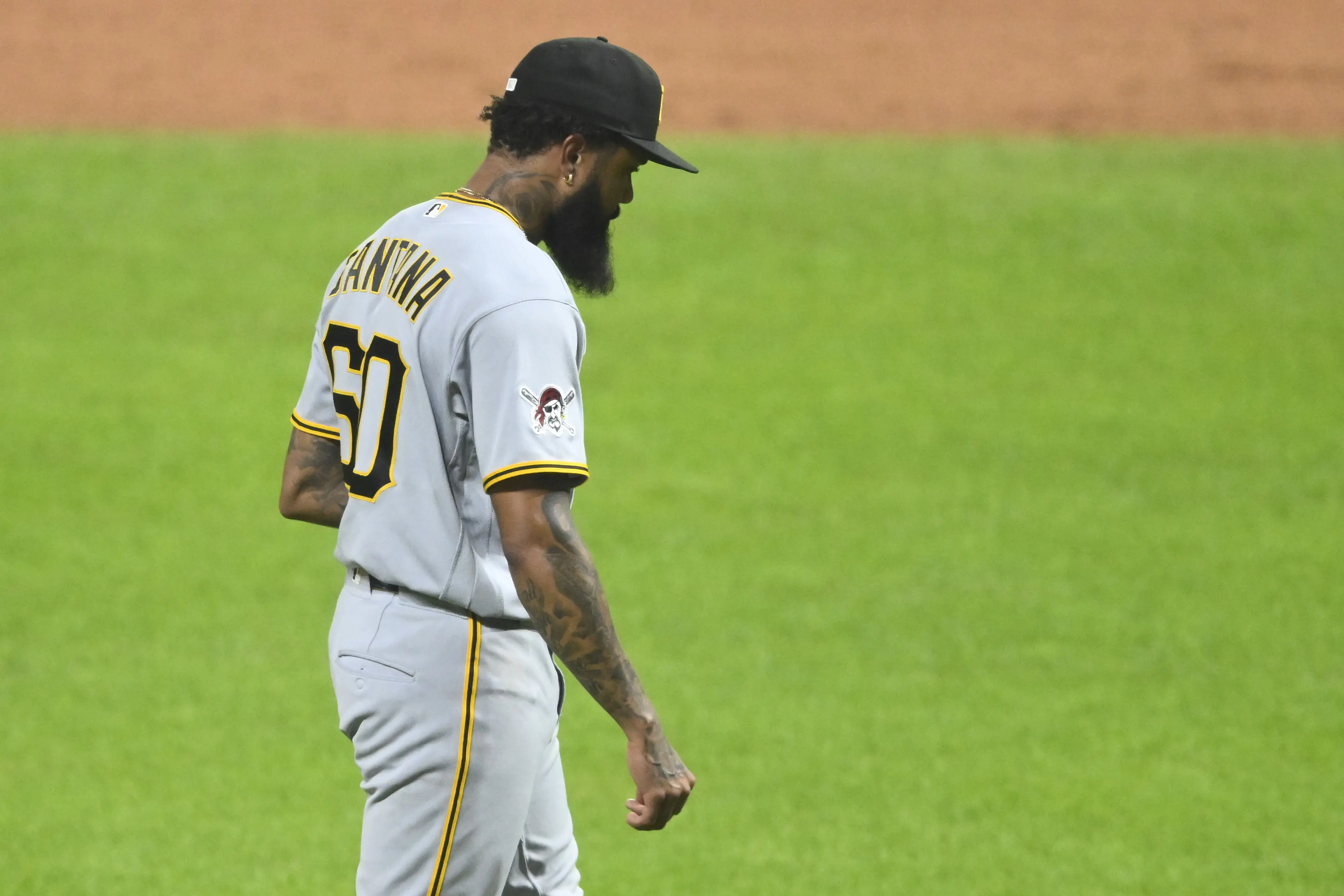
Those problems had already made replacing Santana one of Pittsburgh’s most urgent bullpen decisions. Designating him for assignment was not an impulsive response to one poor outing. It was an acknowledgment that Kelly could no longer consistently trust him with close games.
Marinaccio represents a reasonable replacement because he offers greater flexibility and a better recent history against left-handed hitters. Pittsburgh improved the final spots of the bullpen without surrendering meaningful prospect capital, but replacing Santana is different from adding the leverage reliever the roster still lacks.
Marinaccio Must Earn a Late-Inning Role
The Pirates should give Marinaccio opportunities, but they should not immediately treat him as the answer to the seventh or eighth inning. He allowed 50 hits, 18 walks and nine home runs during his 47 innings with San Diego. His 1.45 WHIP also reflects the traffic he has allowed, even though his changeup and previous results suggest there is still something worth salvaging.
Marinaccio could initially work in a flexible middle-relief role. He can cover multiple innings after shorter starts, prevent lower-leverage relievers from being overexposed and help preserve the more trusted arms for close games. If his command improves and his fastball becomes more effective, Kelly can gradually test him in more difficult assignments.
The Pirates should view his role as something to be determined by performance rather than necessity. Their bullpen problems cannot turn every experienced acquisition into an automatic setup man. Marinaccio may eventually earn those innings, but Pittsburgh cannot base its entire deadline strategy on that possibility.
Pirates Still Lack a Dependable Right-Hander
Pittsburgh has left-handed relievers capable of handling important situations. Gregory Soto has late-inning experience, while Mason Montgomery gives Kelly another power option from that side. The right-handed group remains considerably less settled.
Isaac Mattson has received meaningful assignments, while Carmen Mlodzinski can work multiple innings when his schedule permits. Marinaccio adds another right-handed possibility, but none of those pitchers currently provides the nightly certainty a contender wants when protecting a one-run lead. MLB’s reporting on the trade similarly noted that Pittsburgh had been seeking right-handed relief to balance its left-handed late-inning options.

That remains the bullpen weakness Pittsburgh cannot ignore. One proven right-handed reliever would improve more than a single inning. Kelly could deploy Soto against the most dangerous left-handed section of an opposing lineup, keep less-established pitchers in manageable roles and avoid relying on the same two or three arms every night.
The Pirates do not need to acquire a famous closer. They need someone with swing-and-miss ability, manageable walk numbers and a demonstrated capacity to handle pressure. Pittsburgh’s available options include several realistic bullpen trade targets who would offer more late-inning certainty than the current group.
Pittsburgh Must Avoid Settling for a Marginal Upgrade
The low acquisition cost makes the Marinaccio deal appealing. International signing-bonus pool considerations are easier to surrender than a meaningful prospect, and the Pirates were able to change the bullpen without damaging the farm system. The danger would be allowing that value to lower the organization’s deadline ambitions.
Pittsburgh has spent much of the season in contention despite repeated bullpen problems. Its relief corps entered the week as the roster’s most obvious weakness, and one depth acquisition does not erase months of inconsistency. The Pirates should continue exploring individual targets and remain open to a larger trade capable of adding multiple relievers.
The cost of relief pitching can become inflated near the deadline, especially when several contenders are pursuing the same small group of proven arms. Pittsburgh should not recklessly move one of its best prospects for a rental, but it also cannot allow excessive caution to waste a legitimate opportunity. A controllable reliever would justify a stronger return, while a rental could still make sense if the price reflects the shorter commitment.
Marinaccio Can Be Part of the Fix
The Marinaccio trade improves the Pirates around the margins. Pittsburgh replaced a struggling reliever with someone who can provide length, has previously produced strong major-league results, and has held left-handed hitters to a .197 career batting average. Those qualities give Marinaccio a legitimate chance to become a useful piece of the bullpen.
His arrival should help reduce the workload placed on other relievers and give Kelly more flexibility after short starts. A return to his earlier form could make the transaction one of the deadline’s better low-cost moves, but Pittsburgh cannot treat that upside as guaranteed.
The Pirates made a sensible first step by acquiring Marinaccio and moving on from Santana. Their next move needs to address the more important problem by adding someone capable of protecting narrow leads against the heart of an opposing lineup.
Marinaccio can become part of the bullpen’s solution. He cannot be the final answer.
Main Photo Credit: Charles LeClaire-Imagn Images