

While the Houston Astros remain competitive enough to stay in the playoff conversation, buying at the MLB trade deadline may not be the Astros’ smartest path forward. Instead of sacrificing even more of their future for another short-term run, the Astros would be smart to sell at the trade deadline.
The Astros have earned the benefit of the doubt. Few organizations in Major League Baseball have enjoyed the sustained success Houston has over the past decade, making the postseason year after year while capturing multiple World Series championships.
But every championship window eventually begins to close.
It wouldn’t signal the end of an era; it would simply acknowledge that smart organizations know when it’s time to pivot.
Astros Would Be Smart To Sell
Here are five reasons why the Astros should be sellers come August 3.
1. The Farm System Needs To Be Rebuilt
Houston’s aggressive approach over the last several seasons has come with a cost.
Repeatedly trading prospects for established major league talent has helped extend the franchise’s championship window, but it has also left the Astros with one of baseball’s thinner farm systems. At some point, the organization has to stop borrowing from the future.
Buying at this year’s deadline would likely require moving even more young talent for players who may only remain in Houston for a few months. Selling, on the other hand, would allow the Astros to replenish their prospect pipeline while positioning themselves for sustained success beyond the current core.
2. Buying Doesn’t Make Houston a World Series Favorite
Even if the Astros added another starting pitcher or middle-of-the-order bat, would it dramatically change their chances of winning the World Series? Probably not.
The American League is full of legitimate contenders, and Houston no longer enters October as the overwhelming favorite they once were. Baseball’s postseason has become increasingly unpredictable, meaning one deadline acquisition is unlikely to transform the Astros into the team to beat. Rather than sacrificing long-term assets for a marginal improvement, Houston should capitalize on the trade market while several veterans still carry significant value.
3. The Astros Can’t Afford To Miss the Peak Trade Value of Their Veterans
One of the biggest mistakes contending teams make is waiting too long to move valuable veterans.
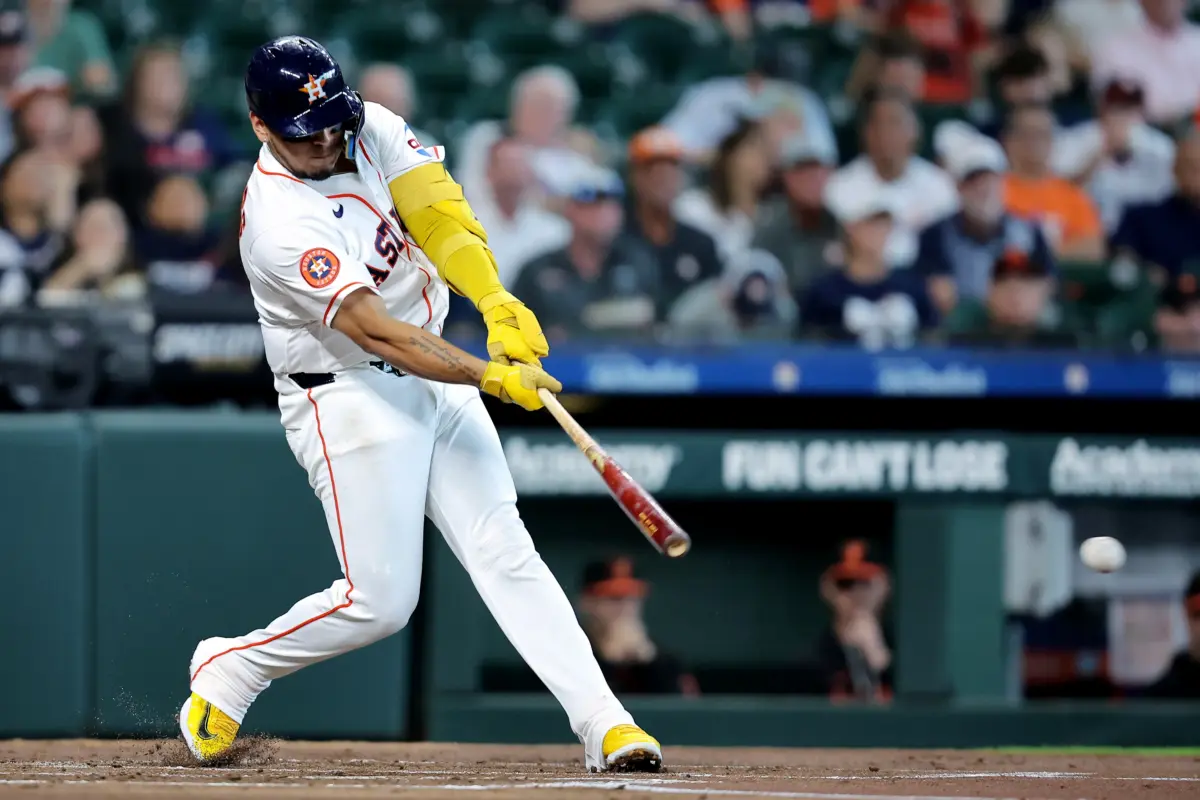
The Astros have several players whose trade value may never be higher than it is at this year’s deadline. Whether it’s a productive rental like Christian Walker or a controllable contributor like Isaac Paredes, Houston has an opportunity to capitalize on a seller’s market and bring back the kind of young talent that can strengthen the organization for years to come.
If the front office waits until the offseason, or another year altogether, those players will have less team control, be older, or carry less value. Selling now isn’t about admitting defeat; it’s about recognizing when an asset has reached its highest return. The Astros have built a reputation for making smart baseball decisions, and maximizing trade value is exactly the kind of move successful organizations make before the market changes.
4. Houston Has the Chips
Selling doesn’t have to mean tearing down the roster. Instead, it means maximizing the value of players who could bring back premium returns.
Walker would attract contenders looking for a proven veteran bat and strong defensive first baseman. Josh Hader remains one of baseball’s premier closers, and elite bullpen arms routinely command significant returns at the trade deadline.

Paredes may be Houston’s most intriguing trade asset. His ability to play multiple infield positions, produce offensively, and remain under team control would make him one of the more desirable infielders available. If the Astros decide to retool rather than simply reload, Paredes could net the type of young, controllable talent the organization desperately needs. Then there’s Jeremy Peña.
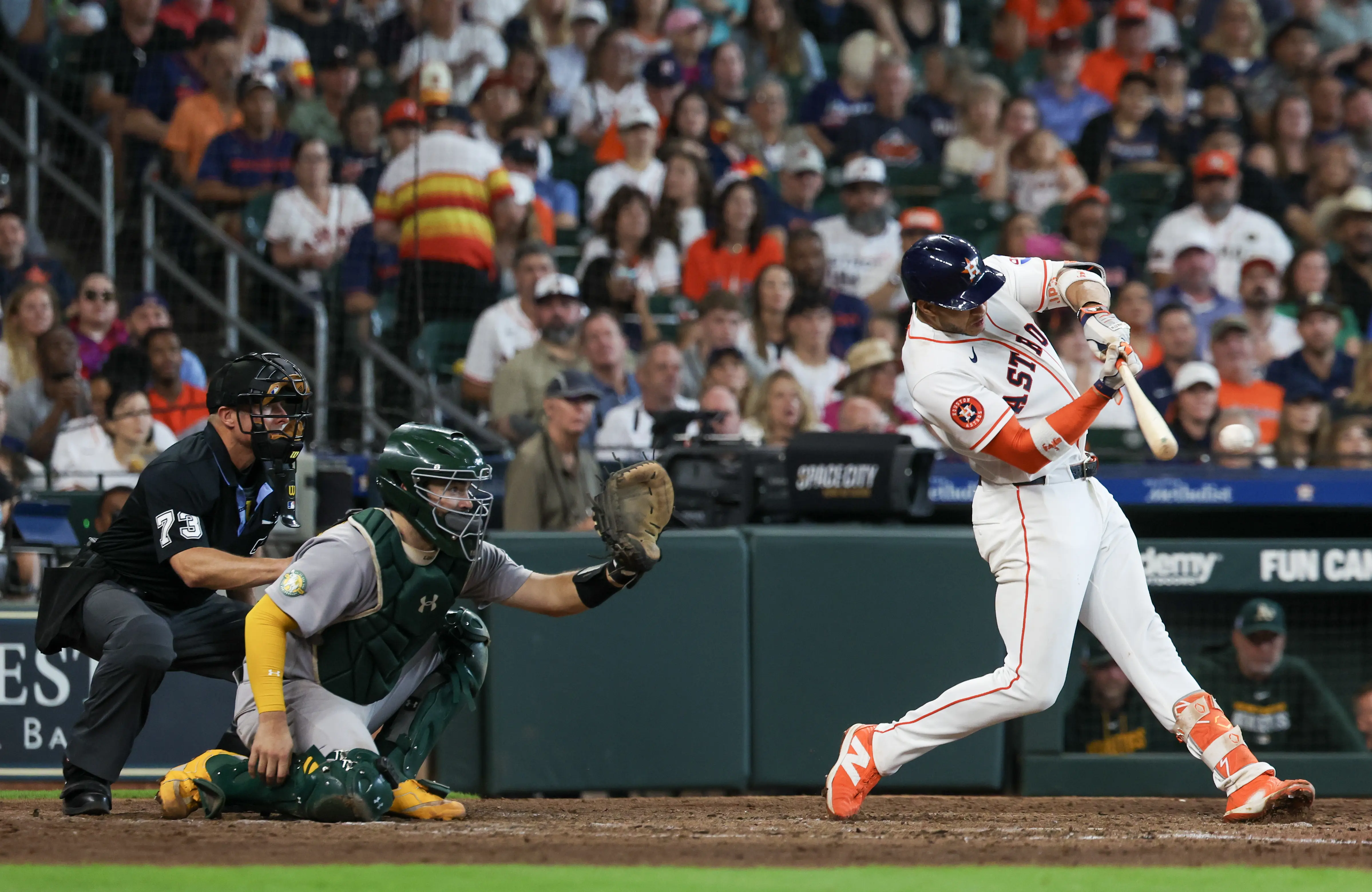
Trading Peña would undoubtedly qualify as a blockbuster, and it’s far from the most likely outcome. However, his age, elite defense, offensive upside, and years of team control would likely yield one of the largest prospect packages among players available. If Houston truly believes its current championship window has closed, no player could accelerate the next one more than Peña.
5. Selling Doesn’t Mean Rebuilding
The biggest misconception surrounding trade-deadline sellers is that they’re waving the white flag.
That doesn’t have to be the case.
Houston has a strong organizational culture, financial flexibility, and enough established talent to remain competitive in the near future. Trading select veterans or high-value assets isn’t about giving up on this season; it’s about ensuring the franchise doesn’t spend the next five years trying to recover from one last gamble.
The Astros don’t need another lengthy rebuild. They need a strategic retool.
Final Thoughts
The Astros have spent years proving they’re one of baseball’s premier organizations because they’ve consistently made difficult decisions before they became obvious ones.
This trade deadline presents another opportunity to do exactly that.
Buying may create excitement in the short term, but it would likely come at the expense of an already depleted farm system and a future that’s becoming increasingly uncertain. Selling, meanwhile, would allow Houston to replenish its prospect pool, maximize the value of key trade chips, and position itself for another sustained run at contention.
It won’t be the popular move, especially for a franchise that’s grown accustomed to competing every October. But if the Astros want to avoid a prolonged decline and remain one of baseball’s model organizations, selling at the MLB trade deadline may be the smartest decision they can make.
Main Photo Credit: Erik Williams-Imagn Images