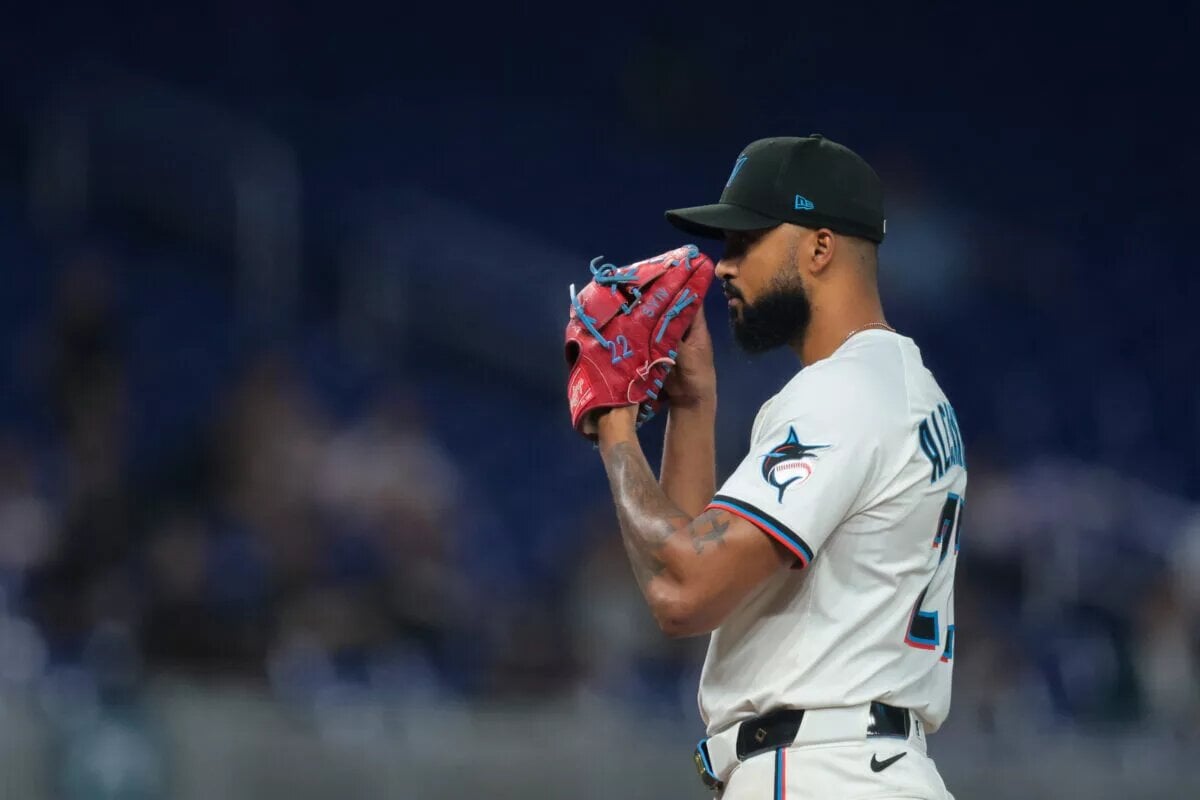

Few teams have changed the perception of their organization more than the Miami Marlins.
Entering the 2026 season, most projections viewed Miami as an improving club that still needed another year or two before seriously competing for a postseason berth. Instead, the Marlins have forced the baseball world to pay attention far earlier than expected.
At 46-40 through July 1, Miami sits in third place in the National League East and is tied for the final National League Wild Card position. Even more impressive is how they’ve arrived there. This isn’t a veteran-laden roster that spent heavily in free agency. It’s a young, athletic club assembled through intelligent trades, player development, and a clear organizational vision.
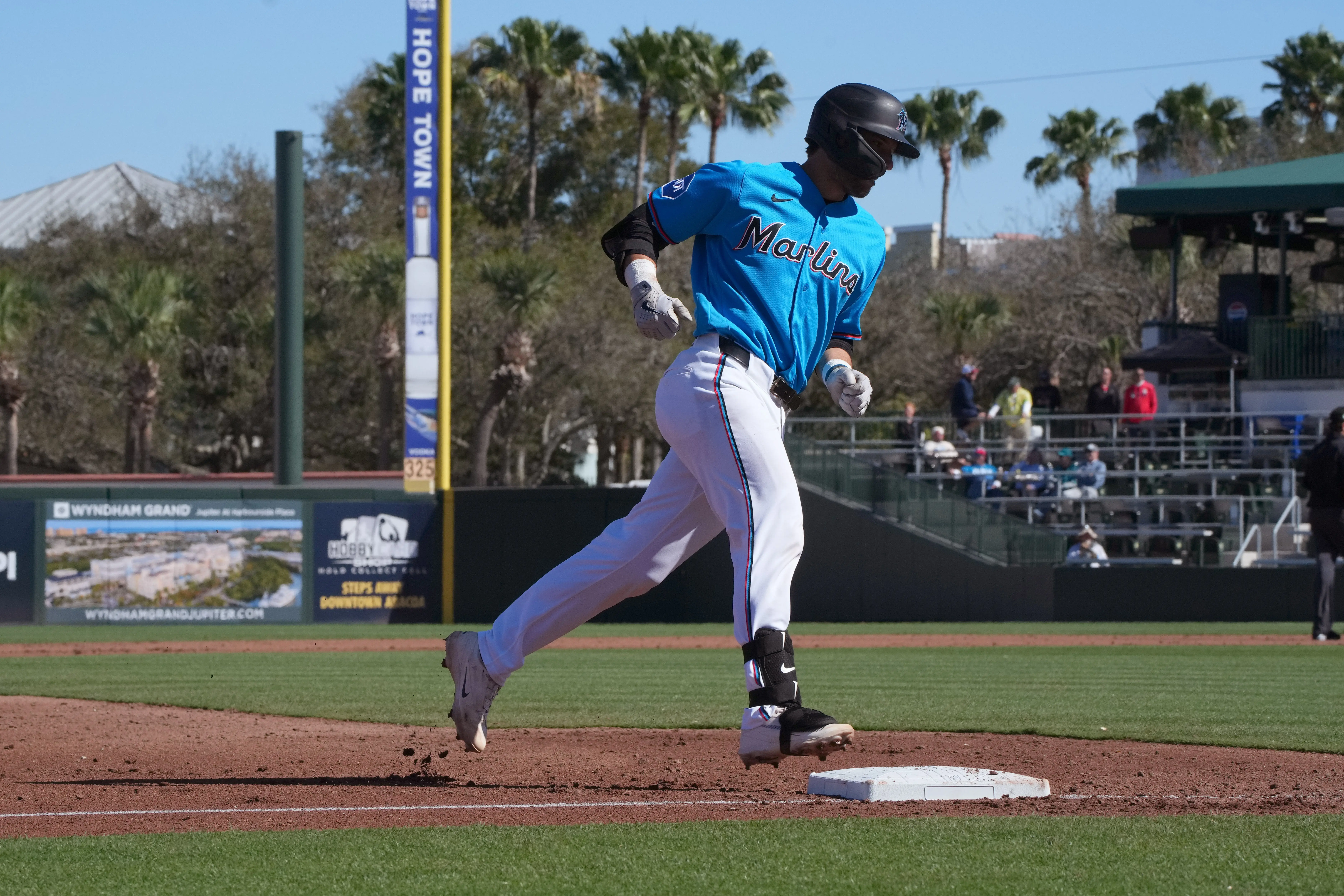
The Marlins haven’t simply exceeded expectations—they’ve changed them.
Peter Bendix and Gabe Kapler Have Built a Modern Contender
The foundation of Miami’s success begins in the front office. President of Baseball Operations Peter Bendix arrived from the Tampa Bay Rays with a reputation for maximizing value, embracing analytics, and identifying undervalued talent. Rather than chasing expensive free agents, Bendix committed to building a sustainable winner through trades, player development, and roster flexibility.
That vision has been reinforced by general manager Gabe Kapler, whose experience as both a manager and front-office executive has helped bridge analytics with clubhouse communication. Since becoming general manager, Kapler has continued emphasizing versatility, athleticism, and controllable talent over splashy acquisitions.
Many of the players now contributing to Miami’s success didn’t begin their careers with the organization. Instead, they arrived through carefully constructed trades that prioritized upside over immediate results.
That patience is paying off.
Clayton McCullough Has Changed the Culture
While the front office deserves enormous credit, first-year success means little without someone capable of translating the vision onto the field. That’s where manager Clayton McCullough has excelled.
After earning praise during his years on the Dodgers’ coaching staff, McCullough arrived in Miami preaching preparation, versatility, accountability, and relentless effort. His first season exceeded expectations, keeping the Marlins in the playoff race far longer than many believed possible, and that momentum has carried directly into 2026.
Miami plays clean baseball.
They run the bases aggressively.
They defend exceptionally well.
They consistently manufacture runs instead of waiting for the three-run homer.
Those traits reflect a manager whose fingerprints are on every aspect of the club.
A Young Core Has Arrived
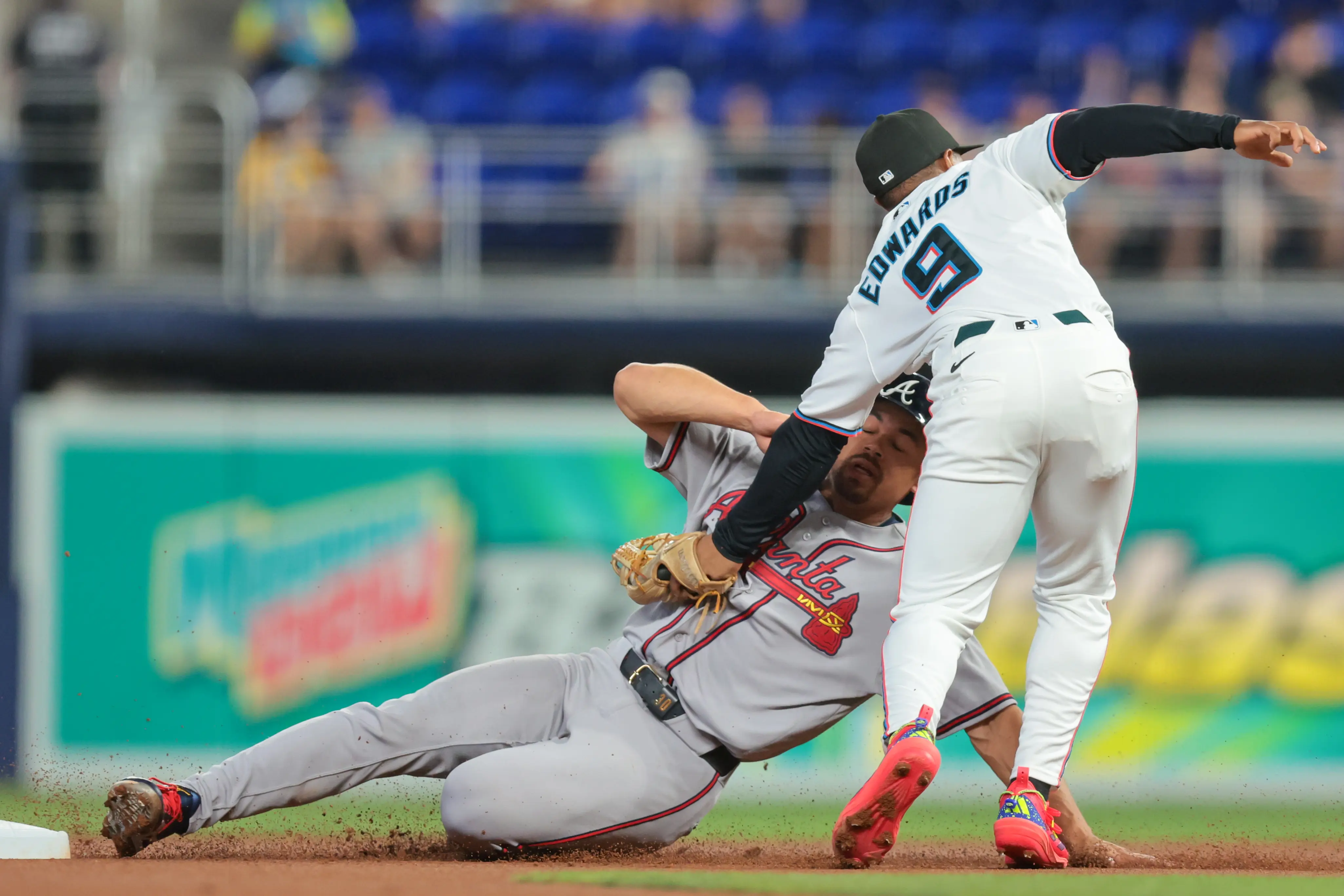
Perhaps the biggest reason for Miami’s emergence is the development of its young position players. Xavier Edwards has continued to establish himself as one of the club’s catalysts, bringing speed, defensive versatility, and consistent energy to the lineup.
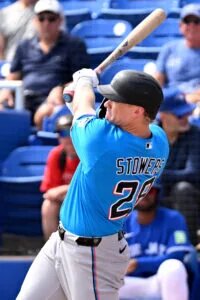
Kyle Stowers has become one of Miami’s biggest offensive threats, providing power while continuing to improve as an all-around player. Agustín Ramírez has emerged as another important middle-of-the-order contributor, while Griffin Conine, Connor Norby, Otto Lopez, Jakob Marsee, Owen Caissie, and Joe Mack have all helped create one of the youngest and deepest lineups in the National League. Many of those players were acquired through trades that looked risky at the time but have aged remarkably well. Instead of relying on one superstar, the Marlins have won through depth. Every night, someone different seems capable of delivering the big hit.
The Rotation Has Regained Its Identity
The pitching staff deserves equal recognition. Sandy Alcantara has continued serving as the emotional leader of the rotation, while Eury Pérez has reminded baseball why he remains one of the sport’s most electric young arms after returning from injury. Max Meyer has continued developing into a dependable starter, giving Miami multiple legitimate weapons capable of matching up against playoff-caliber opponents.
Just as importantly, the bullpen has consistently protected leads, allowing the offense’s timely hitting to translate into victories.
That complete pitching picture has helped Miami survive stretches where the offense wasn’t firing on all cylinders.
Winning the Right Way
The Marlins haven’t built their success around one historic month or one unexpected hot streak. They’ve consistently played winning baseball. They’ve won with defense. They’ve won with athleticism. They’ve won by developing young talent instead of purchasing aging stars.
Perhaps most impressively, they’ve remained competitive despite one of baseball’s toughest divisions. Sitting behind two perennial contenders in the National League East while simultaneously holding a Wild Card position speaks volumes about how much progress this organization has made.
The Trade Philosophy Is Finally Paying Off
Every rebuilding club says it’s building for the future. Few actually execute the plan successfully. The Marlins have.
Time after time, Bendix and Kapler have identified players whose value could blossom with opportunity, and McCullough has put those players in positions to succeed. Some of those trades were questioned when they happened. Many now look like franchise-changing moves. That combination of scouting, analytics, coaching, and patience has transformed Miami from an afterthought into one of the National League’s most dangerous young teams.
The Last Word
With nearly half the season still remaining, nothing is guaranteed. The National League Wild Card race promises to remain crowded, and every series will matter from this point forward. But regardless of what happens over the final three months, one conclusion is already clear. The Miami Marlins are no longer simply rebuilding. They’re competing. Behind Peter Bendix’s long-term vision, Gabe Kapler’s roster construction, Clayton McCullough’s clubhouse leadership, and a young core assembled largely through bold trades, the Marlins have become one of baseball’s best stories. At 46-40 entering July, they’ve earned more than attention. They’ve earned respect.