

The New York Mets are heading toward a familiar but complicated position as the MLB trade deadline approaches.
On paper, the direction looks clear: sell.
But in practice, the reality is far more nuanced.
This is not a team in full rebuild mode. It is not a locked-in contender either. Instead, the Mets sit in a gray area that has become increasingly common in modern baseball—where front offices try to thread the needle between shedding short-term value and preserving long-term competitiveness.
That is why the most likely outcome is a selective sell-off with the possibility of strategic additions layered in.
The Likely Move: Selling Expiring Contracts
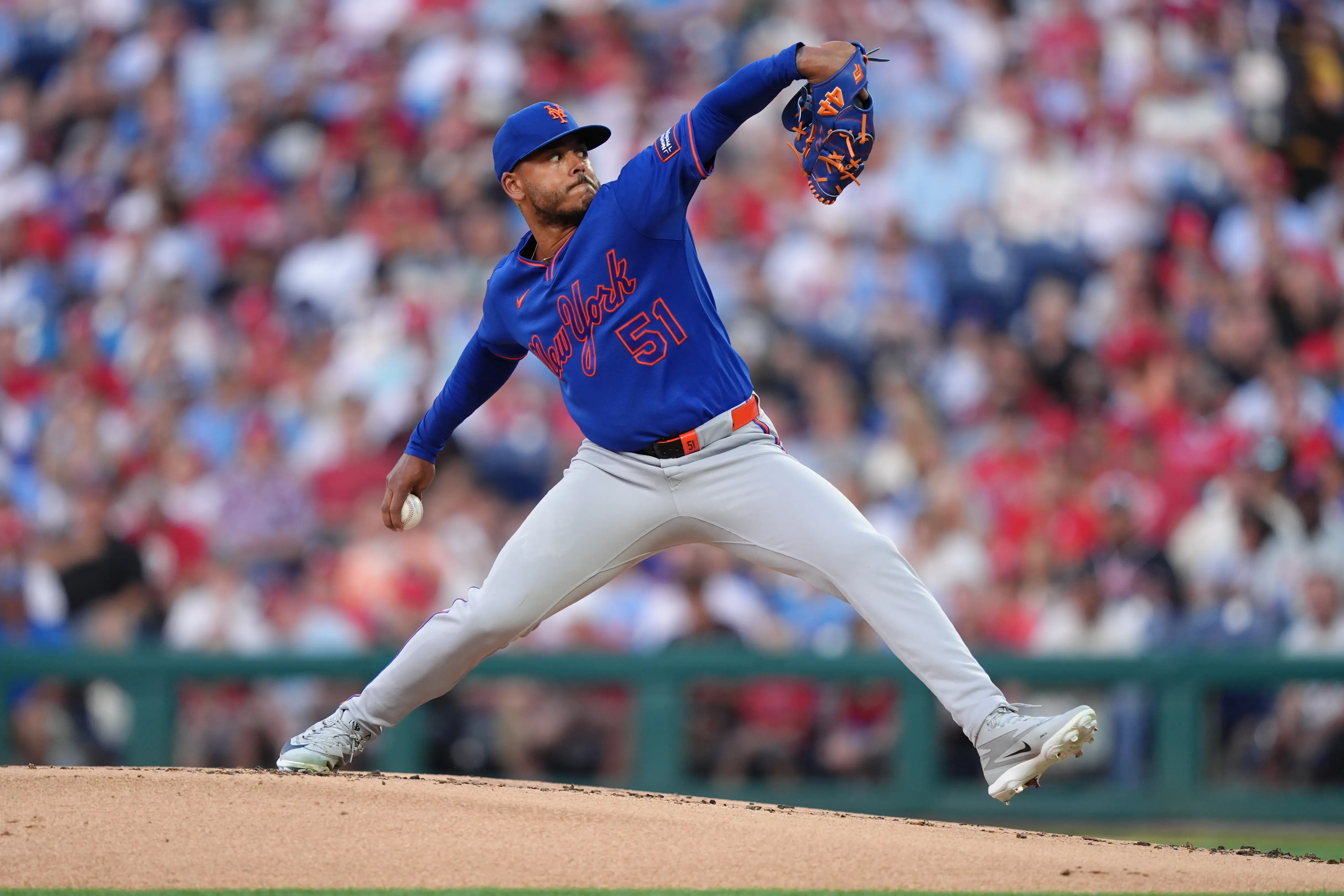
If the Mets fully commit to deadline activity, the most obvious path is moving players on expiring or near-expiring deals.
These are the classic trade deadline assets:
- Veteran relievers on short-term contracts
- Rental bats on one-year deals
- Depth starters who can help contenders in October
These types of players hold value because contending teams always overpay for stability in July. Bullpen arms in particular become premium commodities once playoff races tighten.
For the Mets, this is the simplest way to reallocate value—turning short-term pieces into future assets.
Why This Isn’t a Full Tear-Down
Even if the Mets sell, this is not a traditional rebuild.
The roster still carries:
- Long-term financial commitments
- Core players under control beyond this season
- Star-level talent capable of swinging games
- Organizational pressure to remain competitive in New York
That combination makes a full “sell everything” approach unlikely.
Instead, this becomes a rebalancing deadline, not a reset.
And that distinction matters.
The Surprise Factor: Adding Long-Term Pieces While Selling Rentals

Here is where things get interesting.
While the Mets are more likely to sell short-term contracts, they could also explore acquiring players with multiple years of team control.
That is where a player profile like Matt Chapman becomes relevant.
Chapman represents the type of move that does not fit a pure selling narrative:
- Established MLB contributor
- Strong defensive value at a premium position
- Multi-year contract commitment
- Immediate and future roster impact
Recent reporting has even indicated that teams in similar situations have discussed high-priced veterans like Chapman in trade scenarios as part of broader roster reshaping efforts.
In that sense, a “Chapman-type” acquisition is not about chasing a playoff run in the current year—it is about stabilizing a position group for multiple seasons.
So while the Mets may be shedding rentals, they could simultaneously target players who:
- Are already under contract beyond 2026
- Fill long-term roster needs
- Fit into a restructured competitive window
The Modern Deadline Philosophy: Two Tracks at Once
This is how many front offices now operate at the trade deadline:
Track 1: Sell
Move expiring contracts for prospects or controllable pitching depth.
Track 2: Rebuild on the Fly
Acquire players with team control who can contribute beyond the current season.
It is no longer unusual for teams to execute both strategies simultaneously.
In fact, it is often the most efficient way to avoid falling into prolonged mediocrity.
What It Could Look Like for the Mets
A realistic Mets deadline might include:
Likely Outgoing Moves
- Veteran relievers on expiring deals
- Short-term bench or rotation pieces
- Rental bats that are not part of long-term plans
Possible Incoming Moves
- Mid-tier controllable bullpen arms
- Position players under multi-year contracts
- High-defense infielders or rotation depth pieces with arbitration years
This is not a blockbuster teardown or a superstar chase.
It is a reshaping of the roster’s timeline.
Why Fans Shouldn’t Expect a Simple Answer

The biggest mistake in analyzing the Mets at the deadline is assuming clarity where none exists.
This is a roster caught between competing realities:
- A need to remain competitive in New York
- A desire to avoid wasting expiring value
- A long-term payroll structure that demands flexibility
- A farm system still being integrated into the big league picture
That creates a deadline strategy that is inherently dual-purpose.
Sell what doesn’t fit.
Add what does.
The Last Word
The Mets are most likely to operate as sellers at the trade deadline.
But that label only tells part of the story.
Because in today’s MLB landscape, selling does not always mean stepping backward—and buying does not always mean going all-in.
The most realistic outcome is a hybrid approach:
- Move expiring contracts for future value
- Remain open to acquiring players with multiple years of control
- Avoid decisions that lock the organization into a single timeline
So yes—the Mets will likely be sellers.
But if a move involving a Matt Chapman-type contract appears on the table, don’t be surprised if they still act like a team trying to build something bigger than just this season.