

Max Scherzer vs. Roger Clemens — Two Aces, One Late-Season Blueprint
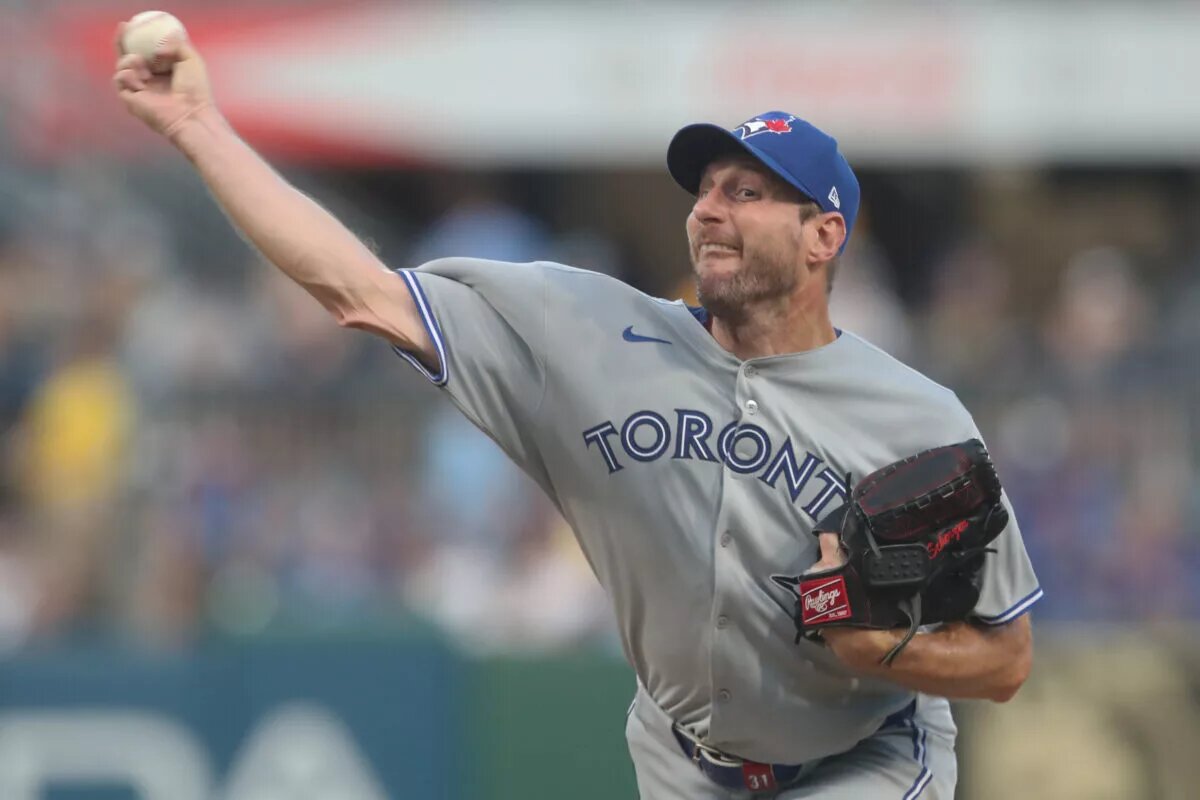
There’s a familiar tension building around baseball as Opening Day 2026 approaches: Max Scherzer is still unsigned.
Spring Training games are underway. Rotations are forming. Prospects are fighting for the fifth spot. And one of the most dominant pitchers of his generation remains on the open market.
If that sounds familiar, it should.
In 2007, Roger Clemens didn’t just join a team late — he made it an event. And now, nearly two decades later, Scherzer may be positioning himself for a similar late entrance.
The Clemens Blueprint: 2007 with the Yankees
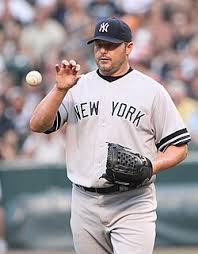
When Clemens rejoined the New York Yankees on May 6, 2007, he did it theatrically — appearing in the owner’s box at Yankee Stadium during the seventh-inning stretch to announce his return.
The deal was bold: a prorated one-year contract worth $28 million, equating to roughly $1 million per start.
But the money wasn’t the headline. The strategy was.
Clemens skipped the grind of April. He preserved his body. He joined a contender once the direction of the season became clearer. His first start came on June 9. He finished the year 6–6 with a 4.18 ERA, recorded his 350th career win, and ultimately saw his postseason cut short by a hamstring injury in the ALDS.
The approach was simple:
-
Avoid early-season wear.
-
Target meaningful innings.
-
Arrive fresh for October.
It was legacy management in real time.
Scherzer’s 2026 Situation: Silence Before the Storm?
Now consider Scherzer in 2026.
At 41, the future Hall of Famer remains unsigned as camps open. Unlike Clemens in 2007, there’s no orchestrated announcement — just a waiting game.
But make no mistake: waiting can be strategic.
Scherzer has pitched deep into October across multiple contenders:
- Arizona Diamondbacks
- Detroit Tigers
- Washington Nationals
- Los Angeles Dodgers
- New York Mets
- Texas Rangers
- Toronto Blue Jays
He’s earned 3 Cy Young Awards, 2 World Series rings, and the respect of every clubhouse he’s entered. He doesn’t need 32 starts to validate his résumé.
The question becomes: does he even want them?
Why Waiting Until After Opening Day Makes Sense
If Scherzer follows the Clemens model, signing after Opening Day — or even in May — offers several advantages:
1️⃣ Physical Preservation
Scherzer has battled nagging injuries in recent seasons. By skipping the first month, he could reduce cumulative strain and keep his arm fresher for the stretch run.
2️⃣ Market Clarity
By late April or May, contenders and pretenders reveal themselves. Rotation injuries emerge. Teams with postseason aspirations suddenly become aggressive.
In 2007, the Yankees knew exactly why they were bringing Clemens back. Scherzer could benefit from similar clarity.
3️⃣ Financial Leverage
While teams today are more analytics-driven than in 2007, urgency still inflates value. A club desperate for a stabilizing No. 2 or No. 3 starter might offer incentive-heavy upside.
He may not command Clemens’ $1 million-per-start shock value — but scarcity creates leverage.
Key Differences Between the Two
Despite the parallels, the eras differ.
Clemens in 2007, was 44 and treated the regular season like a ramp-up to October. His mystique was larger than the numbers.
Scherzer in 2026 is 41 and still carries elite strikeout capability when healthy. His intensity is unmatched. His preparation is obsessive.
But modern front offices operate differently:
-
Velocity trends are dissected.
-
Spin rates are analyzed.
-
Durability projections are modeled.
Teams are cautious with aging arms.
That said, analytics also confirm one timeless truth: postseason baseball is about dominance in short bursts.
And Scherzer still brings that.
October Is the Real Target
This is where the comparison becomes strongest.
Neither Clemens in 2007 nor Scherzer in 2026 is pitching for 180 regular-season innings. They’re pitching for October leverage.
Imagine a contender entering June with:
-
A shaky third starter.
-
A playoff rotation lacking swing-and-miss.
-
A clubhouse needing an edge.
Adding Scherzer midseason instantly alters a series. His track record in elimination games speaks for itself. His presence changes preparation routines. His intensity is contagious.
That’s exactly what the Yankees sought in 2007.
Will History Repeat?
Clemens’ 2007 campaign ended without a ring, but it proved something important: an elite veteran can still impact a season even with a late start.
If Scherzer waits until after Opening Day in 2026, it won’t signal decline — it may signal calculation.
He doesn’t need March.
He may not need April.
He needs a contender.
He needs meaningful innings.
He needs October.
In a league obsessed with youth and velocity, Scherzer represents something different: competitive fury refined by experience.
If a team calls in May, don’t be surprised if “Mad Max” answers.
Because like Clemens in 2007, he won’t be signing to fill innings.
He’ll be signing to tilt a pennant race.