

Veteran wrestlers in All Elite Wrestling are often discussed as a single category, but AEW has quietly used them in three very different ways. Some function as teachers, others as attractions, and a select few operate as narrative anchors who stabilize long-term storytelling. Understanding that distinction helps explain why AEW’s roster construction feels different from past wrestling boom and bust cycles.
Teachers Who Shape the Next Generation
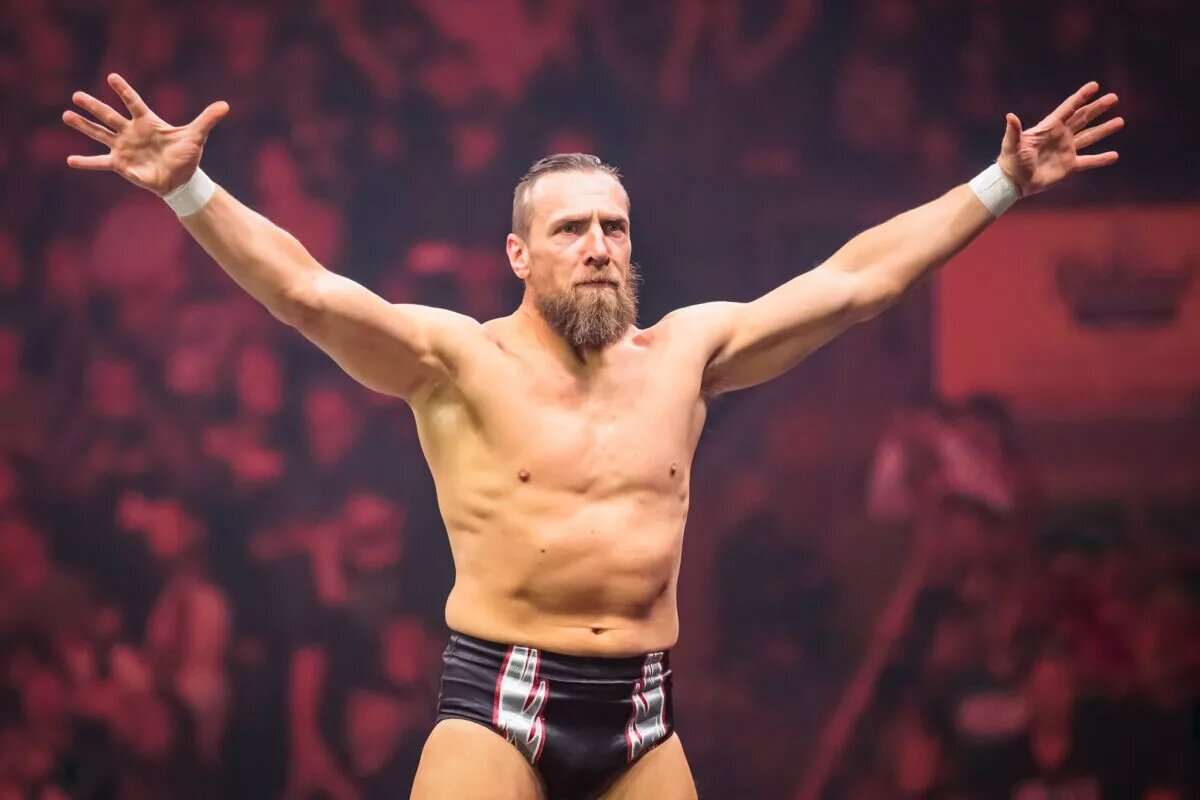
Several AEW veterans are most valuable not because of how often they win, but because of how they structure matches and segments. Bryan Danielson is the clearest example. His AEW run has consistently emphasized timing, selling, and escalation rather than dominance. Younger opponents leave matches with him feeling elevated, even in defeat.
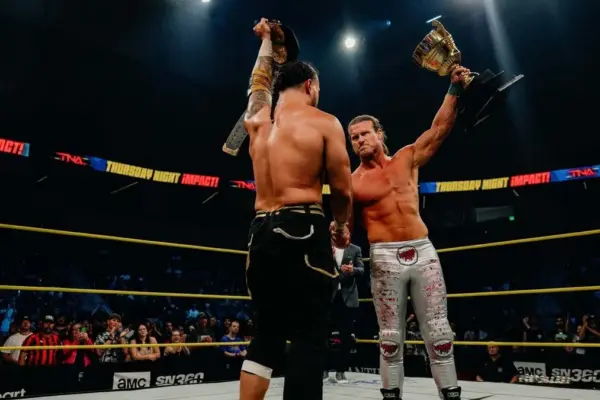
Dustin Rhodes occupies a similar role. He rarely headlines, but his presence in key matches adds professionalism and emotional grounding. These veterans help define in-ring standards while reinforcing AEW’s emphasis on credibility.
In this role, wins are secondary. The value comes from repetition, consistency, and example. These wrestlers teach simply by working.
Attractions That Add Immediate Gravity
Some veterans exist primarily to raise the stakes the moment they appear. Adam Copeland fits squarely into this category. His AEW presentation is deliberate and restrained. He is not omnipresent, which makes his matches feel meaningful rather than routine.
Paul Wight also serves as an attraction, though more selectively. His appearances are used sparingly to create moments rather than arcs. AEW avoids the trap of overexposure, which has historically dulled the impact of legacy names elsewhere.

Attractions in AEW are not booked to dominate weekly television. They are used to punctuate moments, reinforce scale, and remind viewers of wrestling’s larger-than-life appeal.
Narrative Anchors Who Hold Stories Together
The most interesting use of veterans in AEW is as narrative anchors. These are wrestlers who give storylines continuity and emotional weight over long stretches of time.
Christian Cage exemplifies this role. His AEW character work has been layered, patient, and intentionally uncomfortable. He does not rush payoffs, and his feuds often hinge on psychological pressure rather than constant physical escalation.
Chris Jericho also functions as a narrative anchor, though with mixed reception at times. His role shifts depending on the needs of the roster. At his best, he provides structure and visibility to newer acts. At his weakest, the balance between exposure and freshness becomes strained. Still, his importance as a connective figure across eras of wrestling cannot be ignored.
Narrative anchors are not simply veterans with microphone time. They are characters whose presence gives context to victories, defeats, and alignment changes around them.
Why This Distinction Matters
AEW’s success with veteran talent depends on restraint and role clarity. When veterans are expected to do everything, problems arise. When they are clearly positioned as teachers, attractions, or narrative anchors, the roster feels layered rather than crowded.
This approach reflects AEW’s broader creative philosophy. The company treats experience as infrastructure, not a shortcut. Veterans are not there to relive past glories. They are there to support the present while shaping the future.
That quiet discipline may be one of AEW’s most underrated strengths.
More From LWOS Pro Wrestling
Header photo – WikiMedia Creative Commonshttps://commons.wikimedia.org/w/index.php?curid=145961117 – Stay tuned to the Last Word on Pro Wrestling for more on this and other stories from around the world of wrestling, as they develop. You can always count on LWOPW to be on top of the major news in the wrestling world. As well as to provide you with analysis, previews, videos, interviews, and editorials on the wrestling world. You can catch AEW Dynamite on Wednesday nights at 8 PM ET on TBS. AEW Collision airs Saturday at 8 pm Eastern on TNT. More AEW content is available on their YouTube channel.