
All Elite Wrestling entered the professional wrestling landscape as a disruptive force, positioning itself as an alternative not only in presentation but in narrative philosophy. In its early years, AEW emphasized match quality, athletic credibility, and organic character development over tightly scripted storytelling.
That approach distinguished the promotion from its competitors and helped establish early goodwill with a disaffected segment of the wrestling audience.
As AEW moves through 2026, its storytelling approach reflects a noticeable shift. While the core principles remain intact, the execution has become more structured and deliberate. This evolution highlights a promotion transitioning from experimentation toward a more precise and more consistent creative direction.
Early AEW and the Value of Organic Momentum
In its formative period, AEW relied heavily on organic audience response as a primary storytelling driver. Wrestlers gained momentum through in-ring performances, crowd reactions, and social media engagement rather than through rigid creative plans.
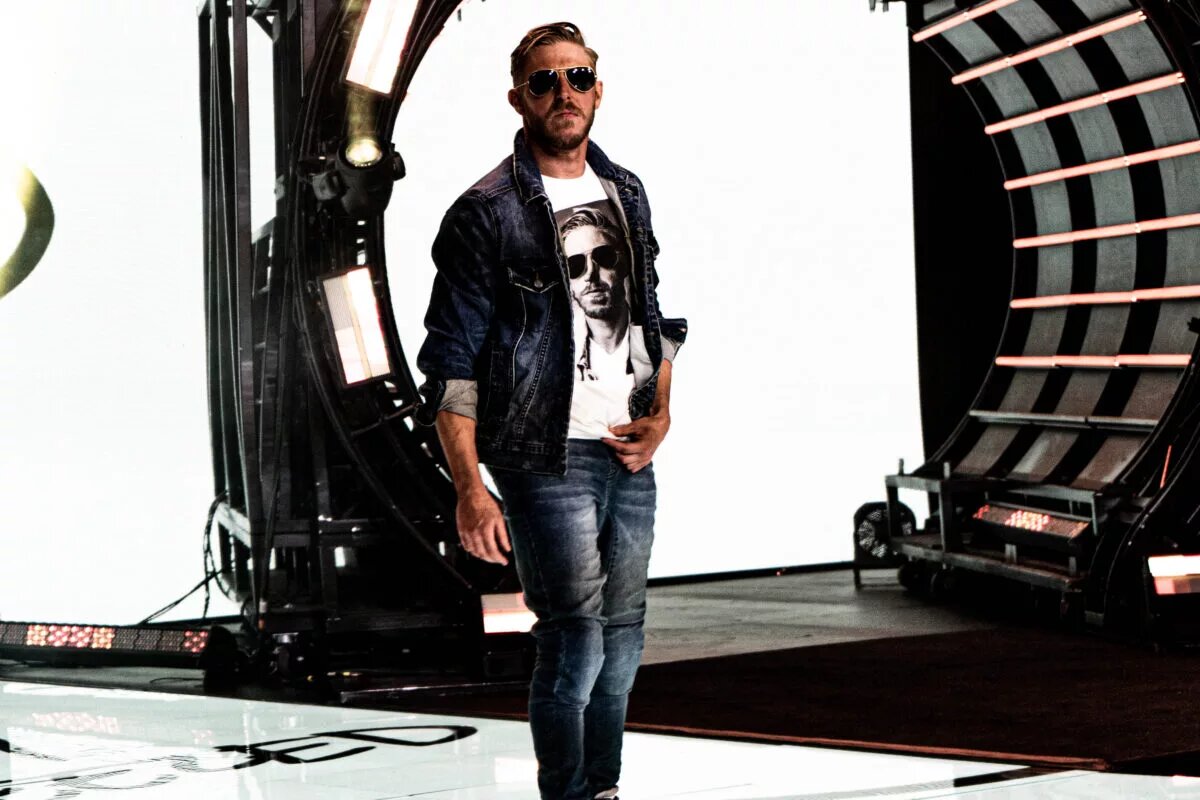
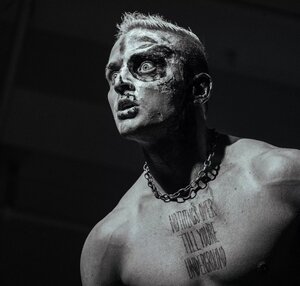
This model produced several organic successes. Orange Cassidy’s rise occurred primarily through audience connection rather than traditional narrative buildup. Darby Allin developed into a central figure through consistent presentation and emotional authenticity. The tag team division flourished under a ranking system that reinforced competitive stakes.
However, this approach also exposed structural limitations. Without long-term narrative planning, some storylines lacked resolution. Character progression was inconsistent, and extended absences often disrupted audience investment. While the product felt energetic and unpredictable, it also lacked narrative cohesion.
Expansion and the Need for Narrative Structure
As AEW expanded its roster and weekly programming, the shortcomings of a purely momentum-based system became more pronounced. Increased television hours and a deeper talent pool required a storytelling framework that could sustain long-term engagement.
Rather than abandoning its original philosophy, AEW adjusted its execution. Story arcs became more clearly defined, with championships serving as narrative anchors rather than episodic rewards. Character trajectories were planned with greater continuity, allowing wrestlers to evolve without abrupt reinvention.
This shift reflected a maturation process rather than a creative reset. AEW began balancing spontaneity with structure, allowing organic moments to occur within a more stable narrative framework.
Emphasis on Character Continuity
A defining characteristic of AEW’s current storytelling approach is its emphasis on character continuity. Wrestlers are no longer presented in isolation from their past. Previous alliances, rivalries, and career history are acknowledged and integrated into ongoing narratives.
Samoa Joe exemplifies this approach. His presentation in AEW did not rely on a dramatic relaunch. Instead, his credibility was reinforced through his established reputation from Ring of Honor, TNA, and WWE. His dominance felt earned because it aligned with a long-standing character identity rather than a reimagined persona.
This philosophy extends across the roster. AEW increasingly treats character history as cumulative, trusting the audience to retain context and rewarding long-term viewership.
Pacing as a Creative Priority
Another notable shift in AEW’s storytelling is pacing. In earlier years, major moments were often delivered rapidly to maintain momentum. Surprise debuts, title changes, and high-profile matches occurred frequently, sometimes at the expense of narrative buildup.
In its current form, AEW demonstrates greater patience. Feuds develop over extended periods, with escalation occurring through consistent interaction rather than immediate confrontation. Matches function as narrative chapters rather than isolated events, creating more cohesive story progression.
This measured pacing does not eliminate unpredictability. Instead, it reframes surprise as a narrative tool rather than a constant feature.
From Identity Formation to Creative Confidence
Perhaps the most significant evolution in AEW storytelling is its shift from self-definition to creative confidence. Early AEW was often framed by what it sought to oppose. That oppositional identity helped establish the promotion but also limited its long-term narrative flexibility.
By 2026, AEW no longer relies on contrast to justify its creative choices. Its storytelling reflects an organization that understands its strengths, its audience, and its long-term goals.
The transition from disruption to direction represents a natural progression for a maturing promotion. AEW’s storytelling now prioritizes continuity, structure, and purposeful pacing while preserving the authenticity that defined its early success.
More From LWOS Pro Wrestling
Header photo – WikiMedia Creative Commons – Stay tuned to the Last Word on Pro Wrestling for more on this and other stories from around the world of wrestling, as they develop. You can always count on LWOPW to be on top of the major news in the wrestling world. As well as to provide you with analysis, previews, videos, interviews, and editorials on the wrestling world. You can catch AEW Dynamite on Wednesday nights at 8 PM ET on TBS. AEW Collision airs Saturday at 8 pm Eastern on TNT. More AEW content is available on their YouTube channel.