
#3 Toni Storm: Momentum Through Continuity
Toni Storm entered AEW following a WWE run that highlighted her talent but rarely positioned her as essential. Despite championship moments, her presentation often felt transitional rather than foundational.
AEW resisted the urge to repackage Storm immediately. Instead, she remained visible while gradually being given more narrative responsibility. Increased promo time and creative freedom allowed her confidence and personality to develop on screen.
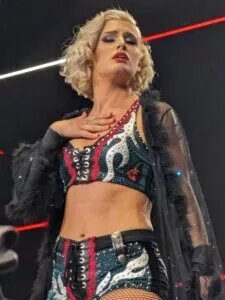
Rather than disappearing and returning as something new, Storm evolved in plain sight. Her repositioning worked because it respected continuity, and fans were invited to follow the transformation instead of being asked to accept it overnight.
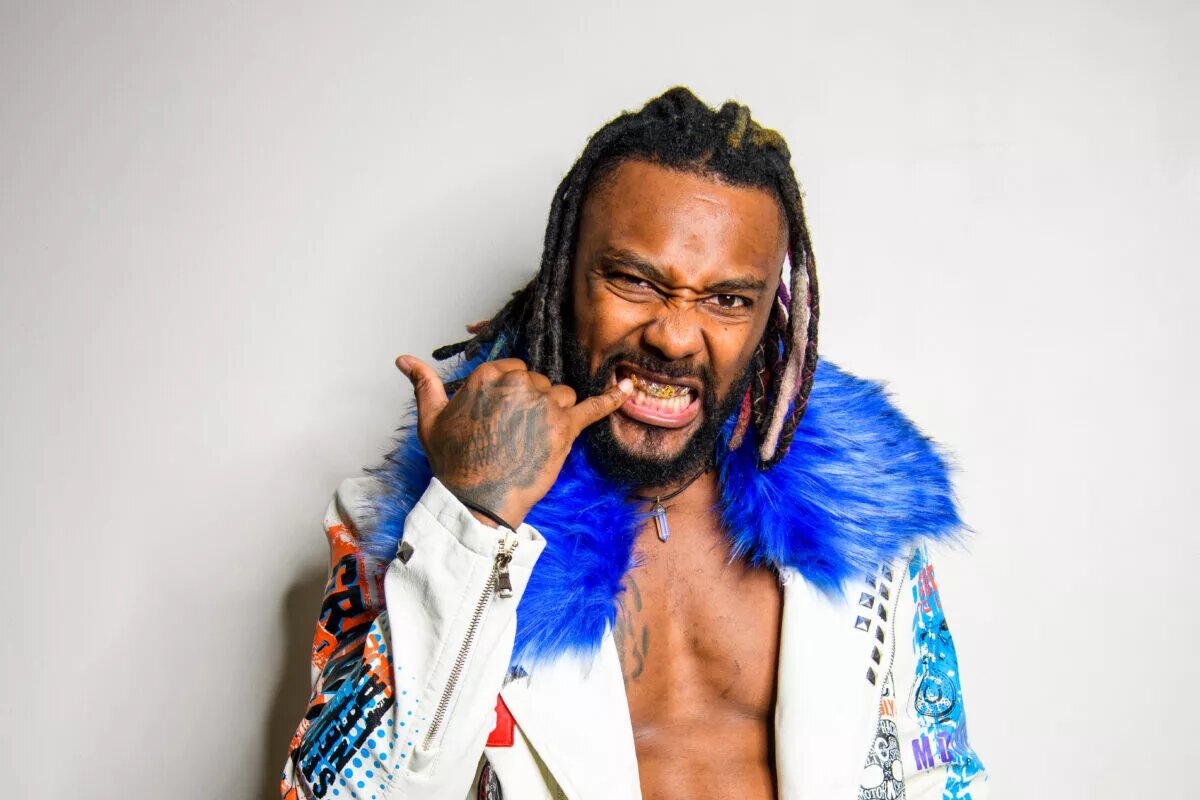
#2 Swerve Strickland: Escaping the “Missed Potential” Label
Swerve Strickland arrived in AEW with expectations shaped by his WWE tenure, where his charisma and in-ring ability were evident but inconsistently supported. That perception followed him early in AEW, as he floated between divisions without a defined long-term role.
Instead of forcing reinvention, AEW allowed Swerve’s natural edge to come into focus. His promos became more deliberate, his wins more meaningful, and his presence more intentional. The formation of the Mogul Embassy didn’t change who Swerve was; it emphasized traits that had previously been underutilized.
By treating Swerve like a threat before explicitly declaring him one, AEW repositioned him organically. His rise felt earned, not announced.