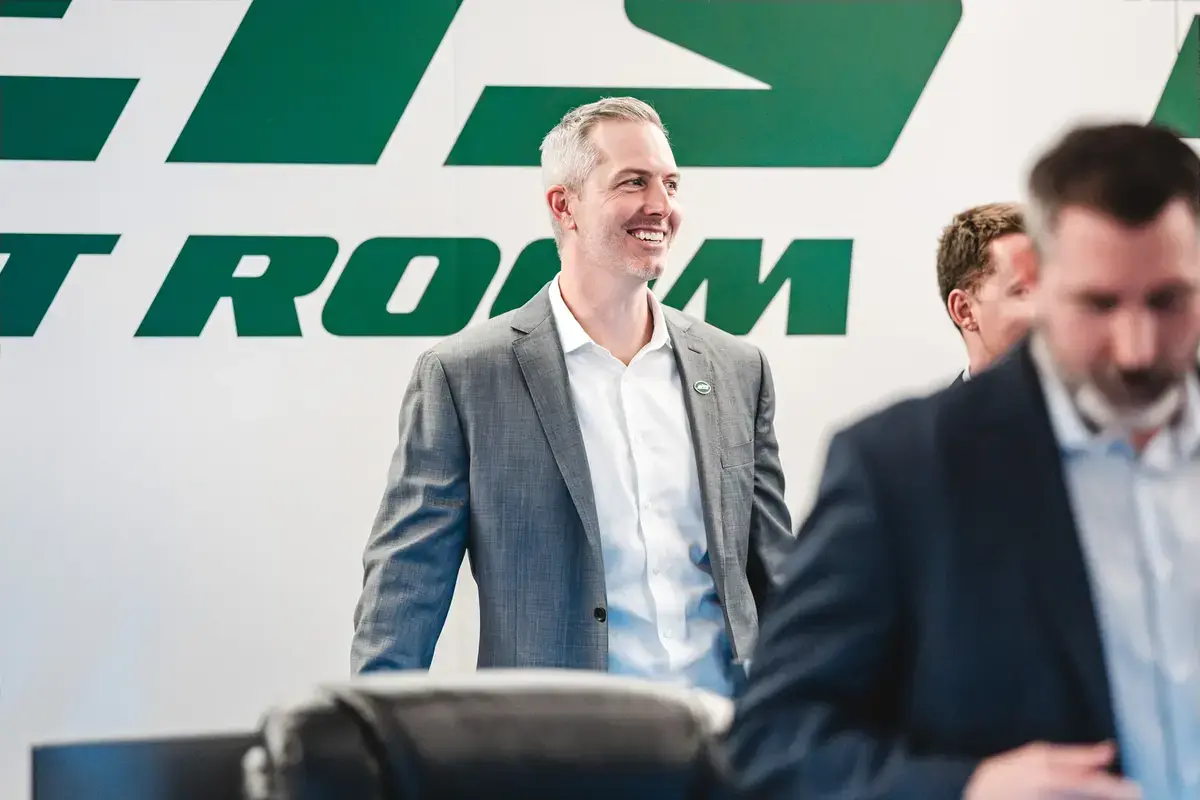

Last year ended with another wasted year for the New York Jets on the field. Despite moving on from head coach Robert Saleh, the team didn’t fare any better under new head coach Aaron Glenn. However, despite their misfortunes, it wasn’t all for naught. At the trade deadline, general manager Darren Mougey ended up acquiring four quality draft picks between the first two rounds over the next two years. But, just because he gained those picks, Darren Mougey needed to find the right talent to add.
Well, he did just that. During the first round, New York ended the night with three first-round draft picks. Along with picking the best graded pass rusher with the second overall pick, New York also added two talented pass catchers. Along with these three players, New York wound up with four potential starters within the top 50 picks. Not only did the team add talent to help the roster this year, but it’s also what Darren Mougey didn’t do that has the team’s future looking bright.
How Darren Mougey Reshaped the Jets Future During the Draft
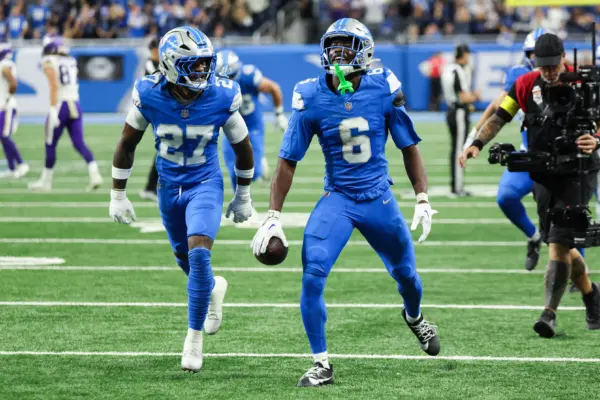
During the first season of the Aaron Glenn and Darren Mougey regime, things couldn’t have ended worse on the field. Not only did the Jets fail to make the playoffs for a 15th consecutive season, but the team also made infamy without recording a single interception. Now, one can point to the irony of a team led by a former Pro Bowl cornerback failing to get a single pick throughout 17 games. However, the team is hoping for better days ahead.
After having the second-worst defense in the NFL last year, Glenn is taking a hands-on role by calling the plays on defense, something he didn’t do last year. Along with it, the team made major additions on defense to sign veterans he’s familiar with. Not to mention, the team has turned to a veteran approach to improve the offense, adding offensive coordinator Frank Reich and reuniting with quarterback Geno Smith. Now, the crucial part: the 2026 NFL Draft. Entering the event, the Jets had four picks within the top 45. They needed some help. And help they got.
Two Impact Additions on Defense
One can easily point to the Jets lack of interceptions as the main culprit for the team’s poor performance. But it’s not the root cause. Upon further examination, you discover the team finished with the second fewest sacks in the league. The San Francisco 49ers finished with a league-worst 20 sacks. Meanwhile, the Jets finished with only six more sacks.
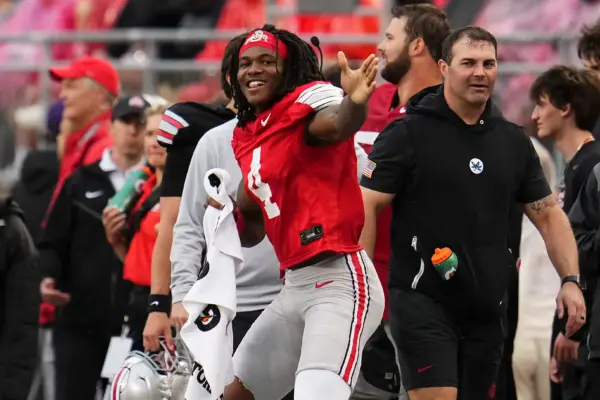
So, with a need for pass-rush help, it made all the sense for them to choose David Bailey with the second overall pick. While many wanted Ohio State linebacker Arvell Reese, the Texas Tech edge rusher made more sense. David Bailey not only had 14.5 sacks, but he also had a second-best 19.5 TFLs. Adding Bailey gives the Jets the best pass rusher in the class.
In addition, the Jets used their only pick in the second round to draft Indiana cornerback D’Angelo Ponds. Despite his 5’8″, 192lbs frame, his game speaks for itself. Ponds is an intelligent defender who thrives in zone coverage while leveraging routes and speed to keep pace with the fastest wide receivers. He has great ball tracking skills as well. He’s also shown acuity in the run game to slip past blockers to chase down the ball carrier. The additions of Bailey and Ponds should provide New York with two hard workers and culture setters to help the defense.
Garrett Wilson needed help, and he got it
It’s no secret that wide receiver Garrett Wilson is impactful. Wilson began his career with three consecutive seasons with over 1,000 receiving yards. When you factor in the changes at both offensive coordinator and quarterback the Jets went through, it only emphasizes his importance. However, Garrett Wilson is only one man. After missing 10 games due to a knee sprain, the Jets witnessed firsthand how limited they were on offense. So, Darren Mougey left the first round with two players who will help.
With the 16th overall pick, New York picked Oregon tight end Kenyon Sadiq. While listed as a tight end, Sadiq lined up all over the field in Eugene. Between the slot, in-line, wide out, and in motion, Oregon offensive coordinator Will Stein used Sadiq in multiple formations. Last year, Sadiq led the Ducks in receptions and touchdown receptions. Using Sadiq with Mason Taylor gives the Jets two solid receivers in 12 personnel to expand offensive creativity.
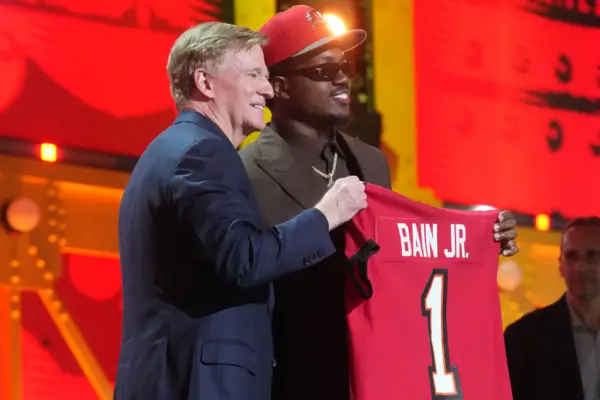
But that’s not all, Indiana wide receiver Omar Cooper Jr was selected 30th overall. The Indiana Hoosiers wouldn’t have won the National Championship without Cooper Jr stepping up while Elijah Sarratt missed most of November. Cooper Jr led the Hoosiers in both receiving yards and receptions, while he was second in touchdowns with 13. Even though Cooper played primarily in the slot, he does have some experience playing on the outside. If Cooper can successfully expand his route tree, he can make an impact on the next level.
New York Still has three first-round picks in 2027
Finally, and probably most important, it’s what Darren Mougey didn’t do that was just as impressive. As previously mentioned, the Jets finished the 2026 NFL Draft with three first-round picks. The team traded up from 33rd overall to gain the 30th pick to draft Omar Cooper Jr. The best part is, New York managed to move up without sacrificing their 2027 first-round picks. Along with their own first, the Jets own the Indianapolis Colts first round pick via the Sauce Gardner trade. In the Quinnen Williams trade, the Jets acquired a 2027 first-round pick(the better pick of either the Dallas Cowboys or Green Bay Packers).
The versatility those picks can have for New York is exciting to think about. The Cowboys and Packers should both remain in playoff contention this season, so those picks will likely be in the early 20s. But it allows Mougey to focus on finding a long-term answer at middle linebacker. Perhaps pair up David Bailey with another edge rusher to fortify the defense. But ideally, the Jets can leave 2027 with a potential franchise quarterback in a very deep class.