
BOSTON — The insanity of the NBA trade deadline has passed, and the Boston Celtics stayed active throughout. The Celtics made four trades to reshape their roster and shave more than $325 million off their tax bill.
The $325 Million Miracle That Shaped The Celtics’ Trade Deadline
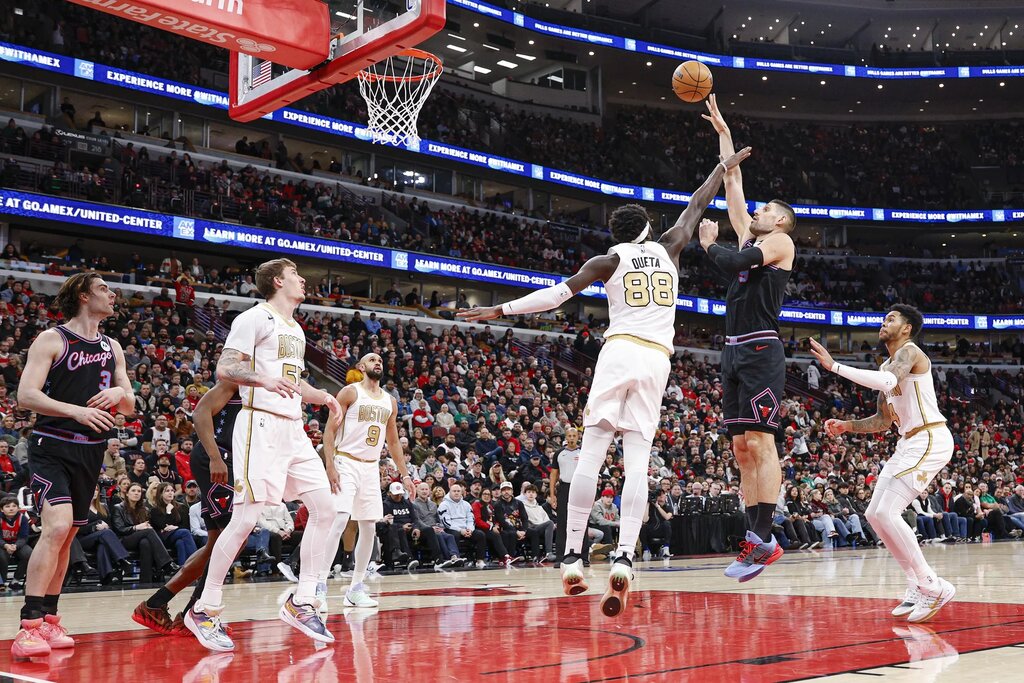
They opened Tuesday afternoon by dealing guard Anfernee Simons to Chicago for center Nikola Vučević. The deal also included a second-round pick swap, which Boston later used on Thursday. This move saved the Celtics about $6 million and moved them closer to ducking the luxury tax.
The Celtics packaged that second-round pick in a Thursday salary dump to send forward Chris Boucher to Utah, whose front office has ties to Boston through the Ainge family. Boucher never carved out a role in Boston and averaged just over two points per game in nine appearances.
The Celtics then dumped forward Josh Minott in a pick-less, player-less trade with Brooklyn. The 23-year-old earned just over $2.7 million annually. He started his Celtics tenure strongly but eventually fell out of the rotation. Boston cleared both Minott’s and Boucher’s minimum salaries from the books.
Lastly, the Celtics made one final tweak before the deadline buzzer. They traded Xavier Tillman Sr. to Charlotte. That move cost them another member of their 2024 title team but dumping Tillman’s contract finally pushed Boston below the luxury tax.
Boston added a small amount of money back to its books on Thursday. The team handed 2025 second-round pick Amari Williams a two-year, $2.7 million standard contract.
The Financial Reset
In June, the Celtics faced a half-billion-dollar payroll. In roughly eight months, they moved from far above the second apron to out of the luxury tax entirely. They saved about $325 million in tax payments this season and did it without giving up a single first-round pick. Yet they remain tied for the No. 2 seed in the Eastern Conference, exactly where they finished last year. This $325 million miracle ranks among the greatest front-office maneuvers in NBA history.
This reset matters long term. The Celtics are repeat taxpayers, which triggers draconian multipliers on tax bills. This Jayson Tatum-less season gave them a rare chance to reset the clock sooner than planned. Would it have been harder to move Jrue Holiday or Kristaps Porziņģis a year from now? I guess we’ll never know.
What Comes Next
Ducking the tax this year and next year resets Boston’s repeater clock entirely. The Celtics project to sit $21 million below the 2026–27 tax line. Vučević stands as their only notable free agent.
That positioning allows Boston to spend aggressively between 2028 and 2030. The Celtics will still pay the tax. They will not face the punitive repeater penalties.
© David Butler II-Imagn Images