
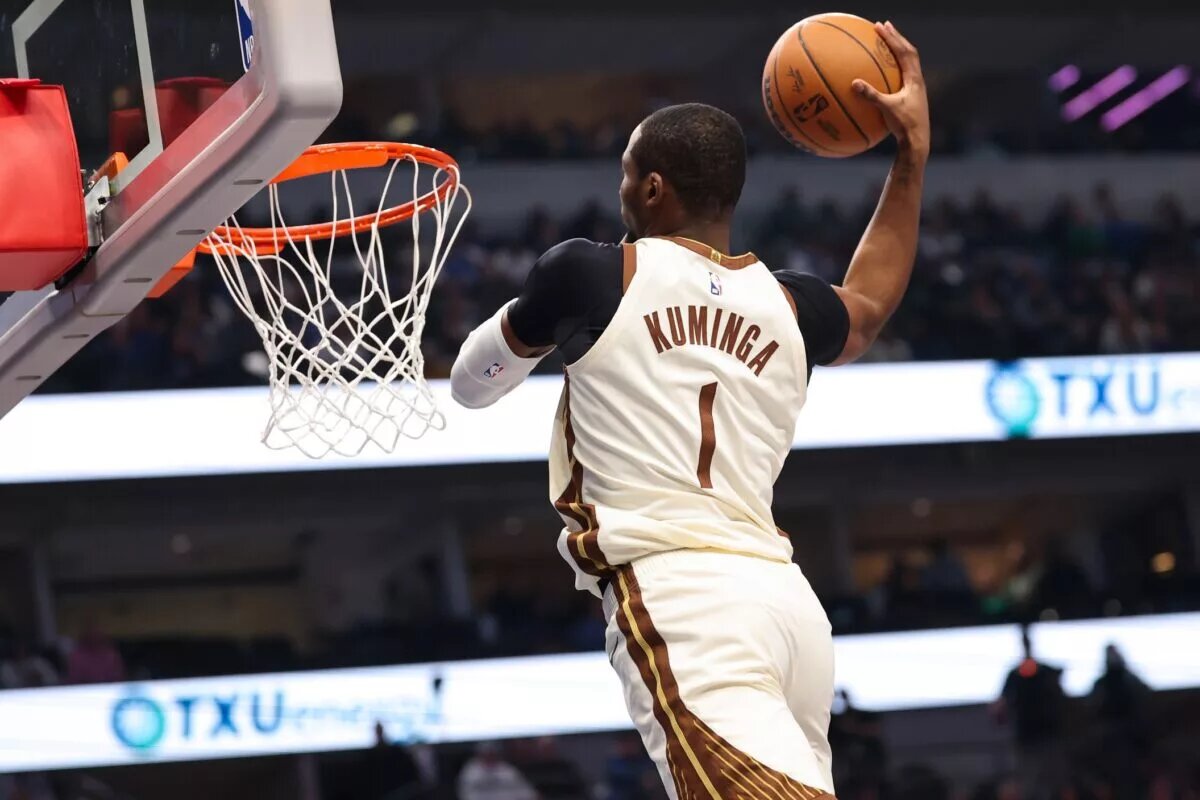
At first glance, trading Kristaps Porzingis for Jonathan Kuminga and Buddy Hield this deadline felt jarring. Porzingis brought name value and clear production when healthy. Kuminga, meanwhile, remains more projection than finished product. But when viewed through the lens of team building, the young wing trade makes far more sense than it initially appeared. This was not a move designed to win headlines. It was a move designed to reset Atlanta’s roster priorities and timelines in a more sustainable way.
Young Wing Trade Gives Hawks A Clearer Long-Term Path
Jonathan Kuminga is the real value in this trade. At just 22 years old, he fits the exact profile the Hawks have been missing: a powerful, athletic wing who can guard multiple positions and play above the rim. I personally had him high on my board in the 2021 draft. Atlanta has spent years trying to patch together wing solutions through short-term fixes. This young wing trade finally gives them a player they can invest in, develop, and evaluate without rushing a final verdict.
Kuminga’s offensive game is still evolving, but that is part of the appeal. He does not arrive with a rigid identity that limits growth. The Hawks can experiment with his role, whether as a transition weapon, a slasher in half-court sets, or a secondary scorer attacking mismatches. Those reps matter for a team no longer pretending it is one move away from contention and instead focusing on defining a clearer on-court identity.
Defensively, Kuminga brings size and physicality that Atlanta has often lacked on the wing, and that is the part of his game I like most. Hawks fans will appreciate it too. Even when his offense fluctuates, his ability to switch, contest, and absorb tough assignments raises the team’s baseline. That defensive versatility alone gives the young wing trade immediate value, especially in a league that increasingly punishes one-dimensional lineups.
Jonathan Kuminga 25-10-4 (9/14 FG, 7/8 FT) pic.twitter.com/jBT5QMycMo
— Brett Usher (@UsherNBA) October 28, 2025
Flexibility Over Familiarity
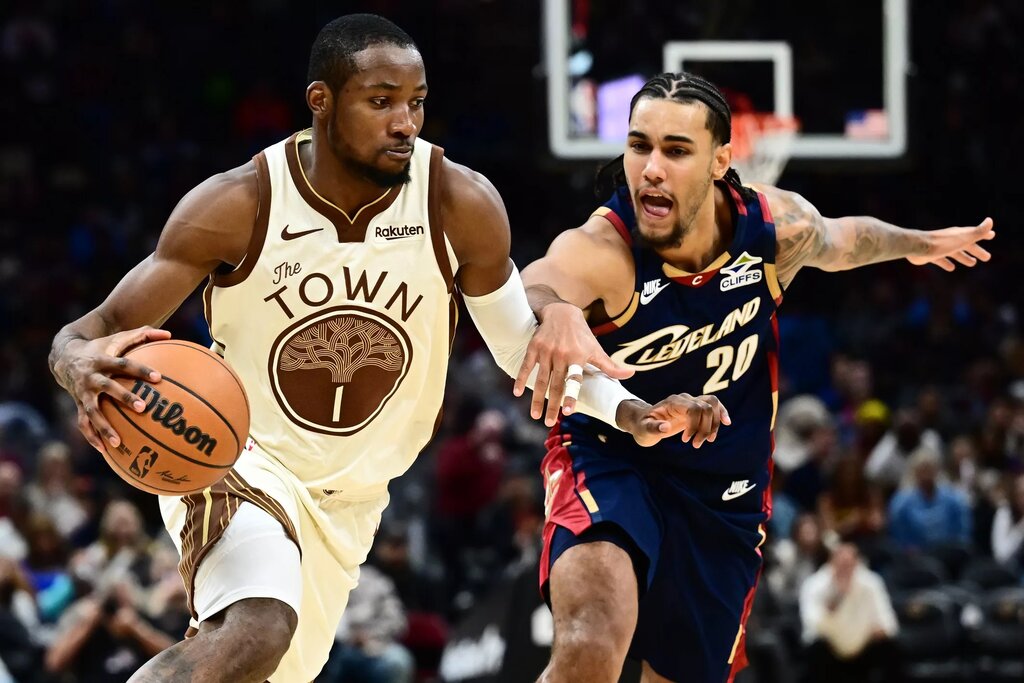
This was exactly the point I alluded to when explaining why the Kristaps Porzingis trade the Hawks made this past summer wasn’t a bad move. Moving Porzingis was about flexibility. His expiring contract carried value, but it came with health uncertainty and no long-term clarity. By flipping that deal for a younger piece, the Hawks aligned their roster with a longer runway. This young wing trade avoids tying future decisions to short-term availability or injury variance.
Buddy Hield plays a role here as well. His shooting helps spacing and lineup balance, but he is not the focal point. His presence keeps the offense functional while Kuminga develops and absorbs responsibility. More importantly, his contract does not disrupt future planning or restrict optionality.
This move reflects a broader trend in Atlanta’s approach. The front office is prioritizing adaptable contracts, developmental upside, and roster balance over chasing familiar names. That shift matters. A wing-heavy league rewards teams that can defend space, switch actions, and grow internally without panic.
If Kuminga takes a leap, Atlanta suddenly has a foundational piece at one of the league’s most valuable positions. If growth takes longer, the Hawks still maintain the flexibility to adjust without being boxed in.
This is not a guarantee of success. Development rarely comes without setbacks. However, the logic is sound. Instead of clinging to what they know, the Hawks are betting on what they can build. In that sense, the young wing trade is less about one player and more about direction. Atlanta chose upside, patience, and positional value. That may not deliver instant results, but it creates a path that actually makes sense.
Featured Image: Kevin Jairaj-Imagn Images