

NBA coaching changes are the hallmark of the modern league, with teams cycling through multiple head coaches in just a few years. The head coach role is the most pressured position, with average tenure sitting around two to three seasons. Firings in the NBA often come after slumps, playoff exits, or even recent extensions, as the pace of change has become more administrative than strategic — driven by performance pressure, short championship windows, and front-office urgency rather than long-term planning.
Winning no longer guarantees job security. Head coaches operate as middle managers between ownership, analytics-driven front offices, and star players, often without full control over long-term roster direction. As a result, losing streaks quickly turn into indictments, and coaching changes are often seen as the fastest fix.
While teams may believe a new coach can shift direction, it can just as easily disrupt systems and progression. Terms like alignment and fit often mask impatience, while media pressure accelerates the cycle.
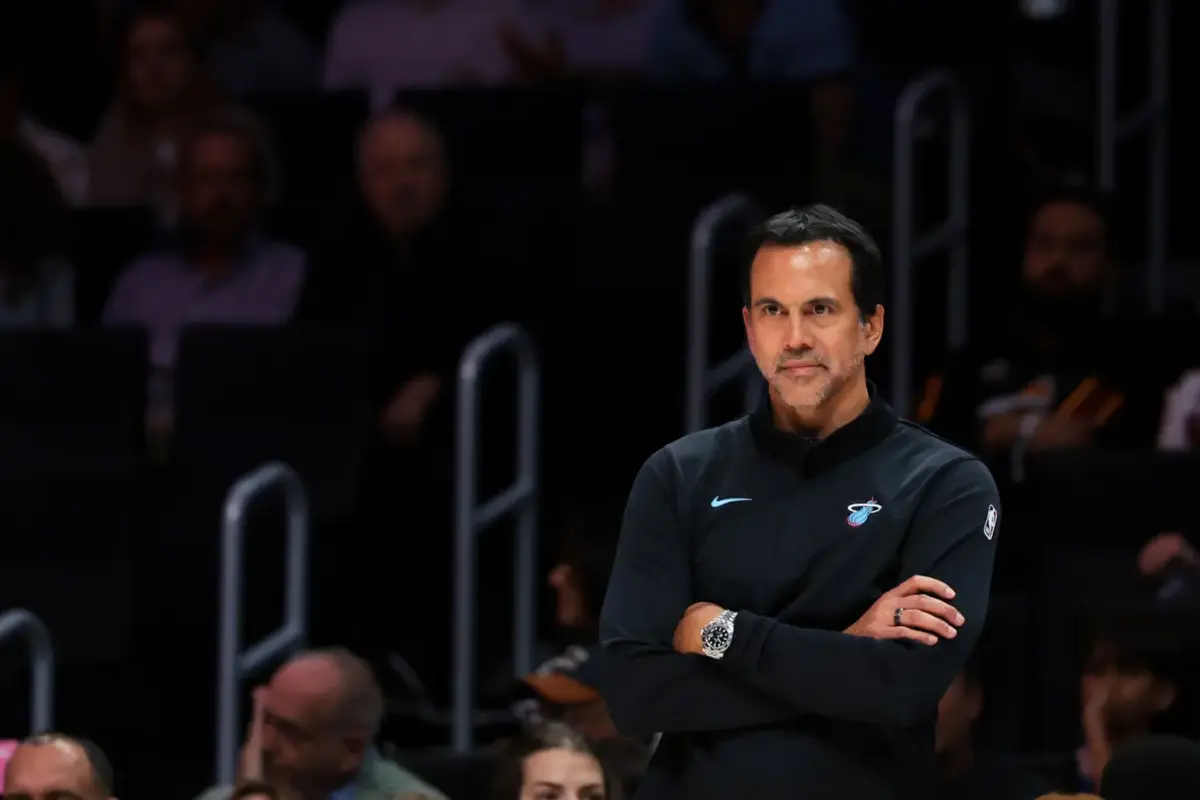
Against this backdrop, the Miami Heat stand out as one of the few organizations that maintain continuity while teams across both conferences continue to rotate through coaches. In an association defined by perpetual change and rising coaching turnover, stability itself has become the real outlier.
NBA Coaching Changes: The Miami Heat Are the Outlier
In a win-now environment, patience is increasingly rare, and even coaches with playoff success, awards, or recent contract extensions are not safe once expectations shift. NBA coaching changes are widely viewed as the fastest path to immediate improvement.
The 2025-26 NBA Coaching Changes Carousel
- Milwaukee Bucks: Doc Rivers exited after the regular season; Taylor Jenkins hired as replacement
- New Orleans Pelicans: Willie Green dismissed; Jamahl Mosley hired after interim period
- Orlando Magic: Mosley dismissed; Sean Sweeney to become head coach after Spurs’ Finals run
- Dallas Mavericks: Parted ways with Jason Kidd; search ongoing
- Chicago Bulls: Billy Donovan stepped down amid roster reset
- Portland Trail Blazers: Tiago Splitter remains interim head coach amid uncertainty
Coaching Stability Has Become the Exception
NBA coaching changes have become routine. A losing streak, playoff exit, or slow start can quickly put a coach’s future in question. Franchises like the Suns and Nets have cycled through roughly seven head coaches over the past decade, while the Knicks have had six.
As a result, coaching is no longer viewed as a long-term investment in culture and development. It has become an adjustable roster component and one of the fastest variables teams change under pressure.
The NBA’s “Win Now” Problem
Today’s NBA is defined by urgency. Championship expectations, superstar movement, and front-office pressure have created an environment in which patience is often viewed as a weakness. With players more influential than ever and teams operating on analytics-driven timelines, ownership expects immediate results and often turns to coaching changes when they don’t arrive.
Coaches are increasingly asked to juggle developing young talent, managing superstar relationships, implementing organizational systems, and winning games. Few roles carry so much responsibility with so little security.
As a result, the head coach is often the first adjustment when progress stalls, regardless of whether issues stem from roster construction, injuries, or broader organizational decisions.
An NBA coach is less an architect and more an intermediary between ownership, front offices, and players, responsible for:
- Managing superstar relationships
- Implementing front-office vision
- Developing young talent
- Producing immediate wins