
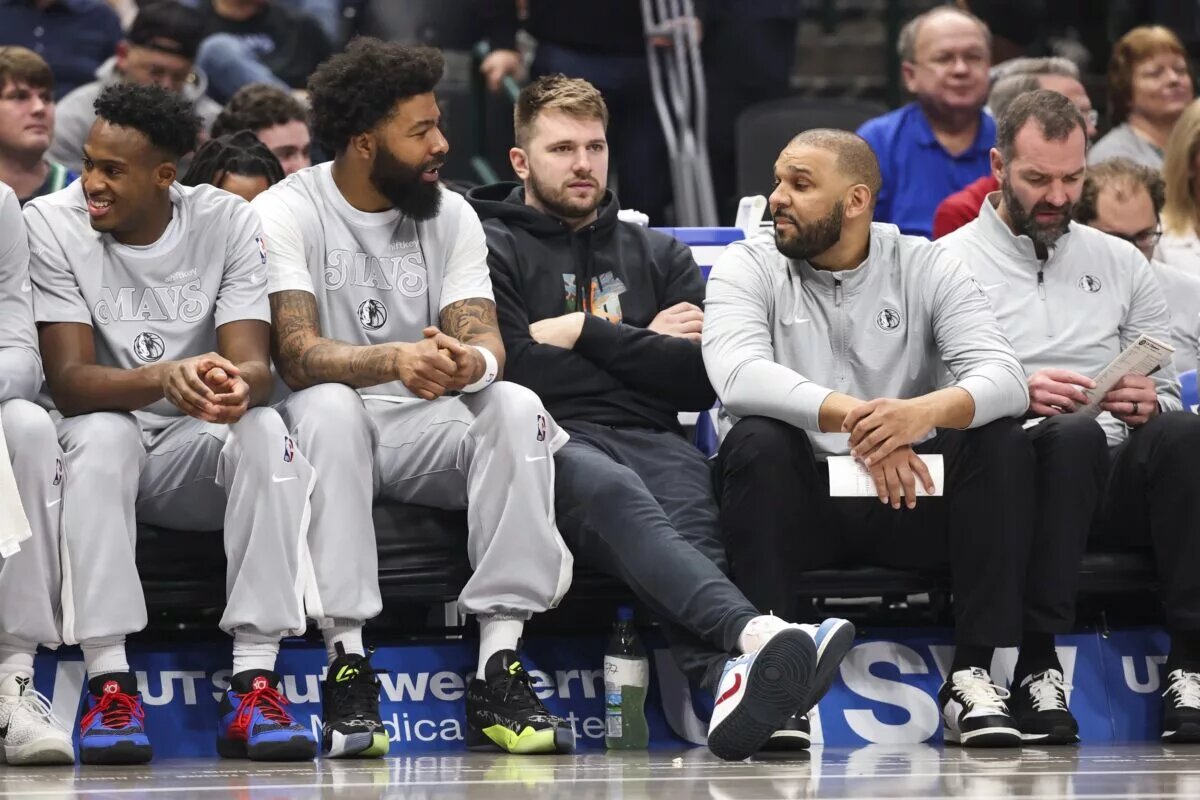

The 2024-25 NBA season has been an injury-riddled one. Not many fantasy basketball teams have been left unscathed, but injuries don’t mean your season is over.
Tips for Dealing With Injuries in Fantasy Basketball
Know Depth Charts
When a player is out with an injury, his minutes have to go somewhere. Typically, when a starter is injured, their backup replaces them in the starting lineup (handcuffs). This was the case with Victor Wembanyama and Zach Collins, Aaron Gordon and Peyton Watson, LaMelo Ball and Vasilije Micic, Luka Doncic and Spencer Dinwiddie, etc. While these reserves usually don’t replicate the same production as the starter, their elevated value helps fill the hole.
Other times, players will shift positions. For example, Chet Holmgren’s hip injury resulted in Jalen Williams moving to center until Isaiah Hartenstein was healthy. For the shorthanded Orlando Magic missing Paolo Banchero and Franz Wagner, sometimes center Wendell Carter Jr. shifts to power forward while reserve Goga Bitadze is the starting big.
Essentially, depth charts give managers insights into potential gold mines. Guys who may remain off the fantasy radar when a team is at full strength can help keep injured teams when they get opportunities.
Play the Waiver Wire
Losing a player to injury is a tough blow, but managers can compensate for some of their production by playing the waiver wire. Moving a hurt player to the injured reserve or dropping them creates space for a streaming spot. Healthy fringe players could also be cut to open up spots.
Take the time to examine the options available on the waivers and develop a plan. In shallow leagues, finding a replacement is much easier. In deeper leagues, it’s more challenging to find good players. There will always be injuries/players sitting out on a game day, providing opportunities for short-term streams. For long-term adds, look for guys replacing a player who is out for an extended period. Streaming strategies also depend on league types. In points leagues, target players who will see high playing time. In category leagues, assess your strengths and weaknesses and pick up players who will boost stats as needed.
An effective streaming strategy can help keep a manager’s team competitive. Just be mindful of the adds limit and games cap in roto.
When to Stash and Drop
There are several factors to consider when determining whether an injured player is a stash or drop.
- Injury reserve space: check if your league has IR/IL. If so, use the injury reserve and stash players if there’s space. Don’t drop good players just because the reserve is full/there isn’t one.
- League format: consider a league’s depth, waiver wire options, and if it’s a re-draft or dynasty. Leagues that are deep, have few good waiver-wire players or are dynasties lean toward a stashing approach.
- The player’s calibre: high-calibre players are must-holds in almost every case, even if he is out for an extended absence. Top-100 players are also typically stashes. Fringe 100-ranked players and lower are more droppable if the injury is long-term/occurs later in the season.
- The severity of the injury: players with short-term injuries are easy stashes. More significant issues that require a long recovery timeline are droppable depending on the player’s calibre and timing of the injury. Taking into account a player’s injury history can also help determine the severity.
- Timing: long-term injuries that occur early in the season mean the player has plenty of time to return. Star players are droppable when they suffer an injury that will sideline them until around the end of the fantasy season.
- Desperation: this kicks in late in the season, when managers are vying for a playoff spot or to advance to the next round. Sometimes, dropping top players is necessary, especially during silly season.
Trade
Managers could try executing a trade if streaming isn’t working or the waiver wire is bare. Although, trading injured players usually isn’t ideal because of their decreased value. However, sometimes, it can be necessary to secure a playoff spot. Tools like Hashtag Basketball and Basketball Monster’s trade analyzers can help managers evaluate offers.
Stay Updated
Stay updated with reports from the moment a player goes down to throughout their recovery. Updates are usually provided within a day or two of the injury to give the severity and initial timeline. Status reports are also provided as the player reaches new stages of their rehab, whether they have a setback or are progressing quicker than expected. Following trusted NBA reporters, fantasy analysts and news outlets can help managers stay on top of updates and news.
Patience
It’s easy to panic when a manager sees one of their players go down with an injury. But it’s important not to make any rash moves. Be patient. Wait until updates are provided before dropping, and be ready to work the wire if needed. If a player is sidelined for an extended absence, consider your options. Don’t start dropping good players just to win a few weeks. It’ll hurt in the long run. Sometimes, managers have to sacrifice a few weeks for the bigger picture.
Injuries are unfortunate and inevitable in fantasy basketball. But it’s how a manager deals with them that can make all the difference for their team’s success.