
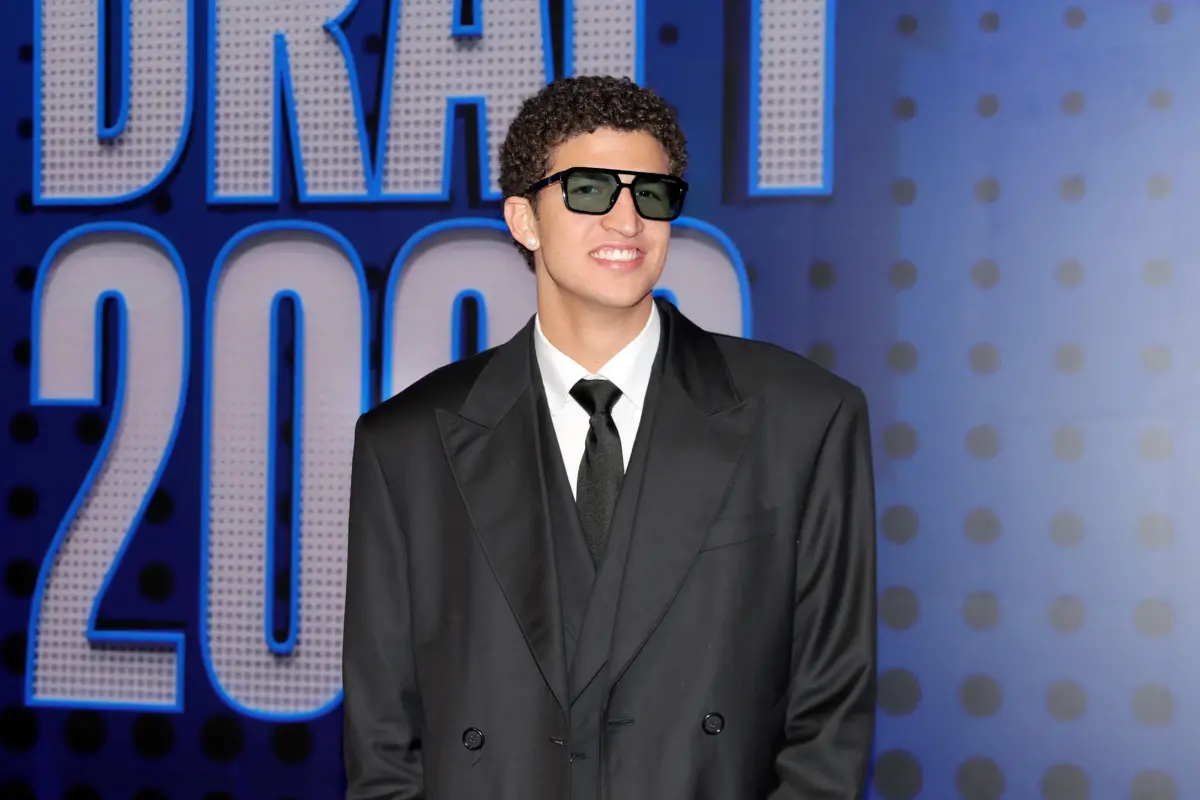

After selecting Duke’s Cameron Boozer with their first draft pick of the first round of the 2026 NBA Draft, the Memphis Grizzlies did something out of the ordinary. Since general manager Zach Kleiman took over duties in 2019, he has only traded up in the draft. However, when their second first-round pick was on the clock, Kleiman elected to trade down. The Grizzlies’ trade-down strategy ultimately landed Karim Lopez while adding valuable future draft assets.
The Grizzlies’ trade-down strategy looked risky when it first unfolded. Trading back once is enough to make fans nervous, although it was only one spot. Trading back twice can create panic, especially when a franchise appears to be passing on multiple opportunities to select a highly regarded prospect.
However, as the dust settled, it became clear that Memphis accomplished exactly what it set out to do. Not only did the Grizzlies acquire additional draft assets, but they also landed the player many believe was their target all along in Lopez.
How the Grizzlies’ Trade-Down Strategy Paid Off Perfectly
Karim Lopez Appears to Have Been the Target All Along
A few months ago, a photo surfaced of Kleiman sitting baseline at a New Zealand Breakers game. The Breakers of the Australian National Basketball League (NBL) is the team Lopez has played for the last two seasons before declaring for the NBA Draft. Seeing that the Grizzlies’ general manager traveled across the pond during the season to scout Lopez, it shouldn’t be a surprise that he was their target with their second first-round pick.
That means the most important aspect of the Grizzlies’ trade-down strategy is that they still got their guy. In totality, from the Grizzlies’ two trade downs, they received five future second-round draft picks to move down five spots and select the guy they likely originally wanted. That’s a very clever and calculated move to maximize draft value after not trading down in any previous draft in Kleiman’s tenure.
That confidence suggests Memphis had a strong understanding of how the board was likely to unfold. Rather than allowing draft position to dictate their decision-making, the Grizzlies trusted their evaluations and identified a range where they believed Lopez would still be available, and it paid off.
As Memphis continues its rebuild, adding another high-upside prospect made sense. Lopez brings many of the traits Memphis has prioritized in recent years, with positional versatility, developmental upside, strong physical tools, and the potential to contribute on both ends of the floor. The Grizzlies’ trade-down strategy allowed them to accomplish their goal without sacrificing future flexibility.
The Extra Draft Assets May Become the Real Prize
Landing Lopez was important, but it wasn’t the only victory resulting from the Grizzlies’ trade-down strategy. Gaining five additional second-round draft picks was massive to their already high collection of picks in the near future.
One of the biggest challenges rebuilding teams face is finding ways to increase their margin for error. Draft picks create opportunities, and the more opportunities a team has, the better it is for roster construction. While they likely won’t use all of their picks, the value comes from being able to trade for a productive player or move up in another draft.
Organizations like the Oklahoma City Thunder have repeatedly demonstrated the value of accumulating assets while remaining patient. Every additional pick represents another chance to add talent or complete a future transaction, and the Grizzlies appear to understand that well. By moving down and still securing Lopez, Memphis effectively transformed one draft slot into multiple assets.
That flexibility could prove especially important as the Grizzlies continue evaluating their roster. That is why the Grizzlies’ trade-down strategy deserves praise.
Brad Penner, Imagn Images via Reuters Connect