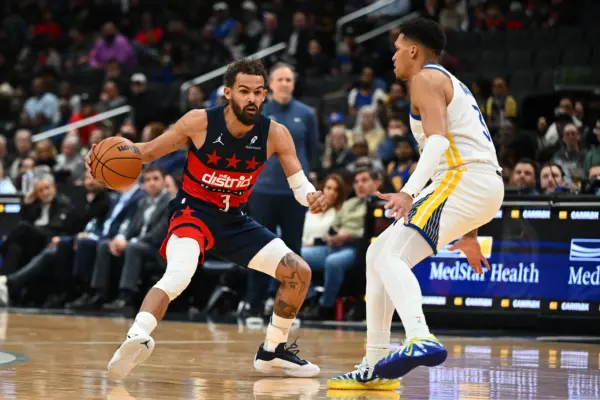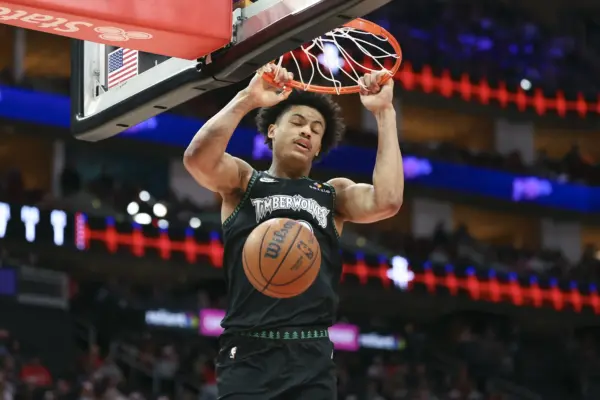


When the Minnesota Timberwolves traded for LaMelo Ball, the spotlight immediately shifted to Anthony Edwards. Adding one of the NBA’s best young playmakers naturally raised expectations for Minnesota’s offense.
Yet the player who could benefit most from Ball’s arrival may be Rudy Gobert. Ball cannot change Gobert’s skill set, but he could help Minnesota use those skills more effectively than it has over the past three seasons.
LaMelo Ball Could Unlock a Different Version of Rudy Gobert
LaMelo Ball Maximizes Rudy Gobert’s Offense
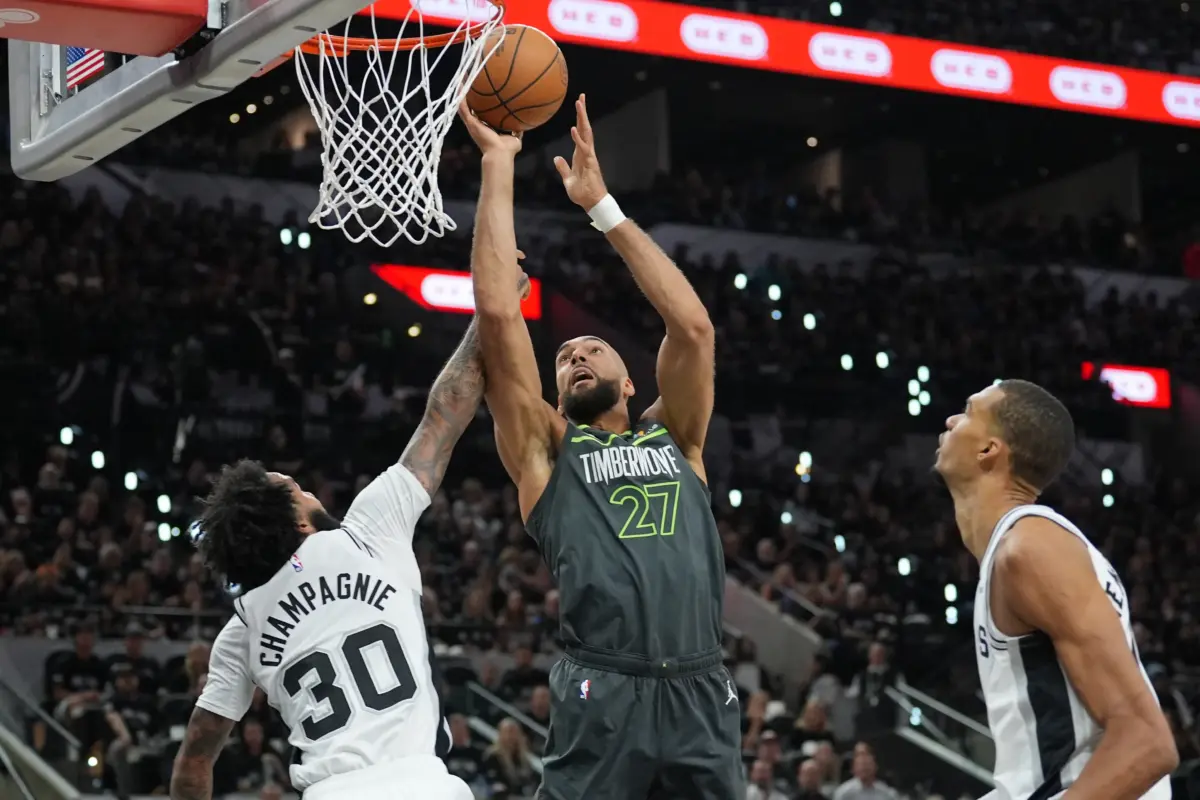
Gobert has built an NBA career without creating his own offense. The four-time Defensive Player of the Year scores by setting hard screens, rolling to the basket, finishing around the rim and capitalizing on second-chance opportunities.
Those strengths helped him become one of the league’s most efficient finishers during his years with the Utah Jazz, where longtime point guard Mike Conley consistently found him in favorable positions.
Since arriving in Minnesota before the 2022-23 season, Gobert has remained one of the NBA’s best defenders, but the Timberwolves have not always generated the same quality of offensive opportunities for him. That imbalance reflects the team’s incomplete offense.
Head coach Chris Finch has stressed the importance of keeping Gobert involved because ignoring him allows opposing defenses to shrink the floor. He also suggested improved spacing could allow Gobert to return to the offensive role that suited him best earlier in his career.
That possibility becomes more realistic with Ball directing the offense.
Rudy Gobert’s Offense Needs Space
Gobert’s offensive value has never depended on a large number of shot attempts. It depends on where those shots come from.
Most of Gobert’s baskets are created within a few feet of the rim. He thrives when he can sprint into a screen, roll quickly and receive the ball before the defense has time to recover. Those actions become harder when the paint is crowded or help defenders can rotate without leaving shooters open.
Minnesota has often relied on larger frontcourt lineups since acquiring Gobert. Those groups helped establish one of the NBA’s top defenses, but they also reduced the spacing in a half-court offense. As a result, Gobert frequently rolled into traffic rather than into open space.
If the Timberwolves spend more time with additional perimeter shooting around Gobert this season, those driving lanes could become noticeably cleaner. That alone would create easier scoring chances without requiring Gobert to expand his offensive game.
LaMelo Ball Fits Rudy Gobert’s Strengths
Ball’s passing style naturally complements the way Gobert scores. Rather than slowing possessions, Ball prefers to push the pace after rebounds and attack before defenses become organized. He consistently rewards teammates who run the floor and looks for passing windows that appear early in possessions.
Those tendencies match Gobert’s strengths as he is most effective when he reaches the basket before multiple defenders can collapse into the paint. Early drag screens, transition rim runs and quick pick-and-roll actions all increase the likelihood of uncontested finishes. Ball has built his reputation by recognizing those opportunities and delivering passes before they disappear.
Developing that connection will not happen overnight. Conley admitted after reuniting with Gobert in Minnesota that learning to play with the veteran center required patience from both players. Ball will likely experience a similar adjustment as he learns Gobert’s preferred screening angles and catch locations.
Cleaner Looks Matter Most
The success of this partnership should not be measured by Gobert’s scoring average. Minnesota does not need Gobert to put up 20 points per night. It needs him to convert a higher percentage of the opportunities already available within the offense.
More lobs, quicker rolls and easier finishes force opposing defenses to make difficult decisions. Defenders who commit to Gobert leave shooters open along the perimeter. Defenders who stay attached to shooters create clear lanes to the rim.
Those choices place constant pressure on opposing defenses without changing Minnesota’s offensive identity.
The Last Word
The Timberwolves traded for Ball because they wanted another player who could organize the offense alongside Edwards. His arrival should reduce the burden on Minnesota’s franchise star and address Edwards’ biggest problem, but it could also reshape Gobert’s role in quieter ways.
Gobert does not need to become a different player for this partnership to succeed. He simply needs more possessions that match the strengths he has displayed throughout his career. Better spacing, earlier decisions and more accurate passes could give him those opportunities.
If Ball and Gobert establish that rhythm, Minnesota’s biggest offensive improvement may not come from a new scoring option. It could come from maximizing one the Timberwolves have had all along.
Mandatory Credit: Daniel Dunn-Imagn Images via Reuters Connect