
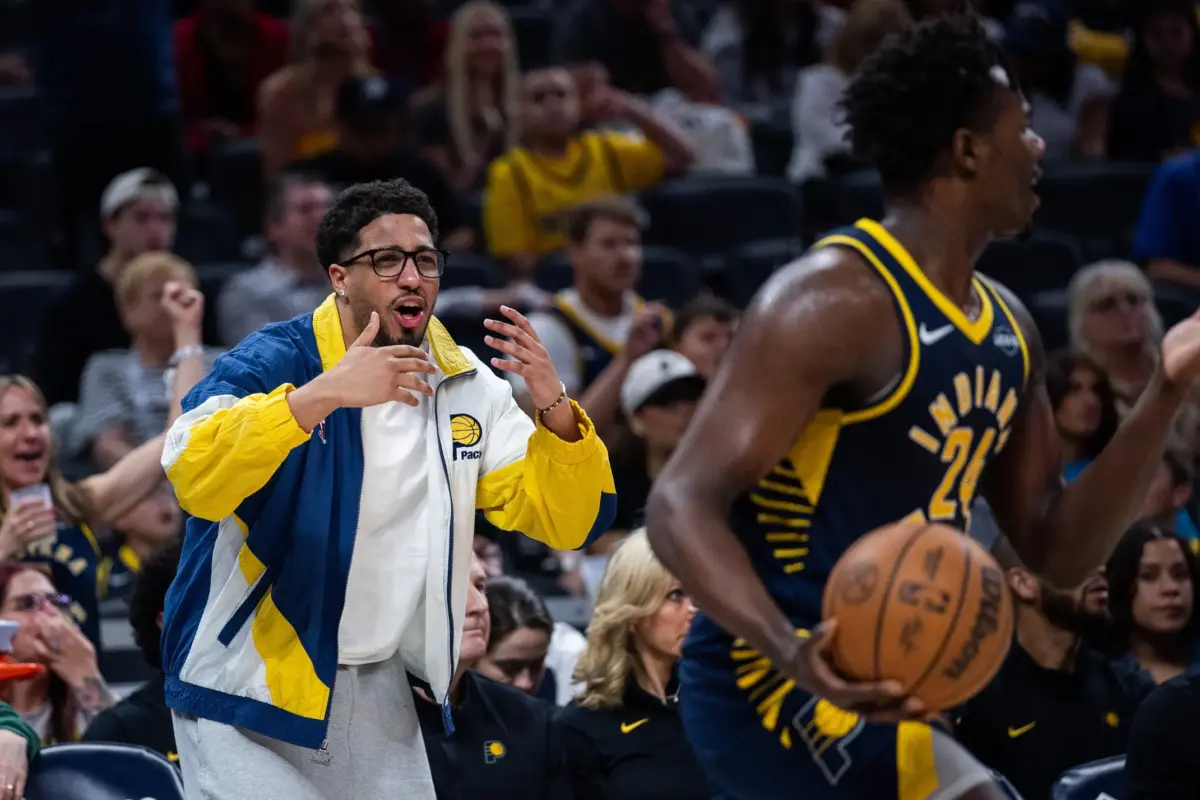

INDIANA — The Indiana Pacers trading into the draft could become the primary focus for this front office after the ping-pong balls dealt them a brutal hand in the 2026 lottery. While the risk behind the mid-season trade was clear—Kevin Pritchard was hunting for a championship-caliber anchor when he shipped a top-four protected pick to the Clippers for Ivica Zubac—the result was a steep price paid.
When that selection officially settled at No. 5, it didn’t just convey to Los Angeles; it left a gaping hole in Indiana’s ability to inject cheap, high-ceiling talent into a roster staring down the luxury tax. While the front office has remained firm on their “win-now” stance, the reality is that the team is entering the 2026 NBA Draft with zero picks and a ballooning payroll.
Pacers Trading Into The Draft Is The Blockbuster Blueprint To Fix Indiana’s Lack Of 2026 Picks
Rumors Intensify Amid Financial Squeeze
The reality of the Ivica Zubac trade is that it was a “championship or bust” maneuver that currently feels like a massive gamble. While Zubac provides the traditional rim protection the team lacked after the Myles Turner era, the opportunity cost of missing out on a lottery prospect is what makes this a tough pill to swallow. General Manager Chad Buchanan recently acknowledged that spending into the tax is a “very real possibility” for the 2026-27 season, with the tax line projected at $200.5 million.
To balance the books, the front office needs the “Price of Admission” provided by a rookie-scale contract. By potentially packaging assets like Jarace Walker or exploring future draft equity, Indiana could entice a team looking to shed salary—like the Cleveland Cavaliers or Charlotte Hornets—to part with a mid-to-late 2026 selection.
Why Pacers Trading Into The Draft Is Now A Financial Necessity
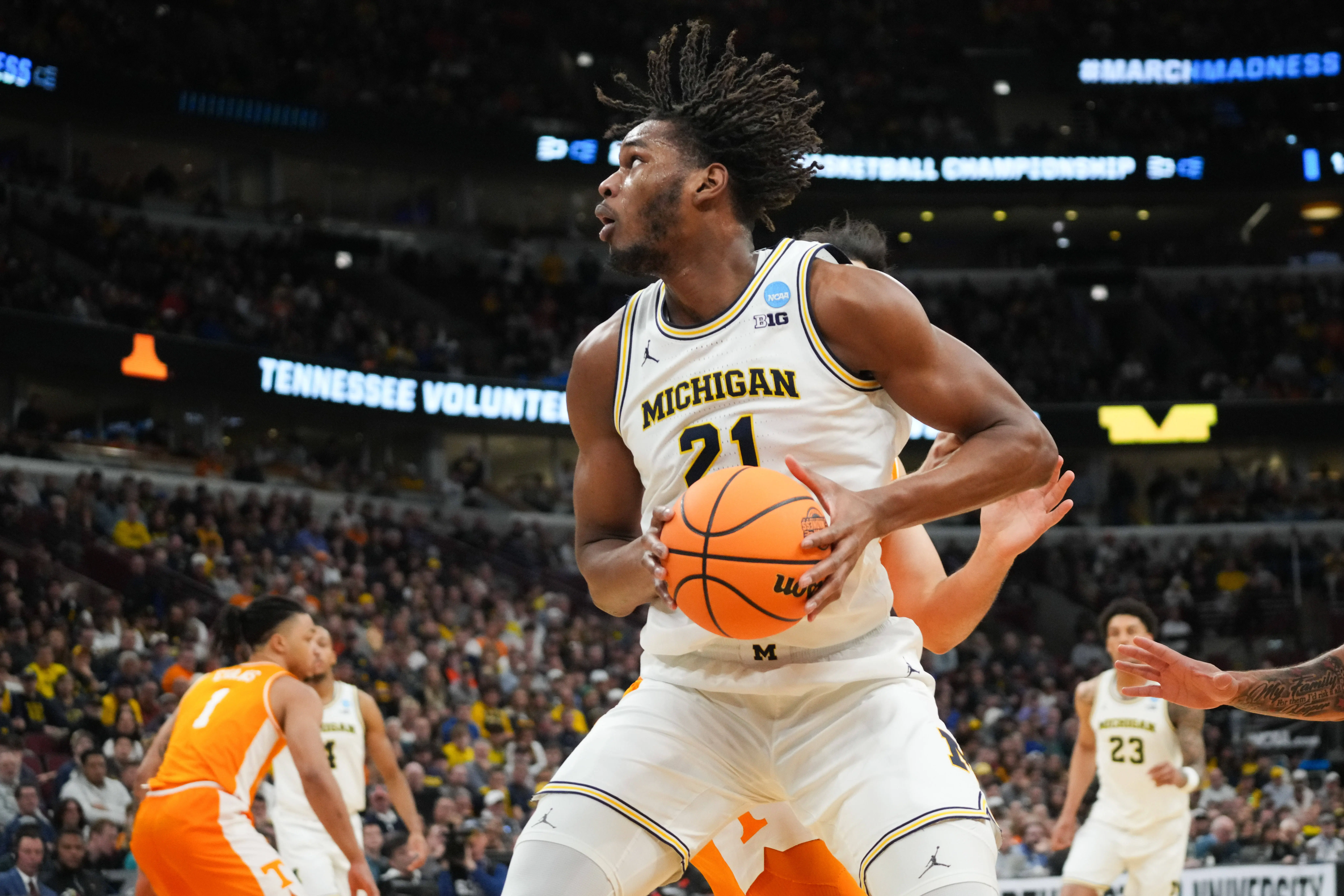
If Indiana wants to double down on their championship window, they simply cannot afford to sit out a 2026 draft class widely considered one of the most top-heavy in recent history. With Tyrese Haliburton and Pascal Siakam occupying massive chunks of the cap, an impactful prospect on a four-year, team-friendly contract is the easiest way to add rotation depth without triggering the restrictive aprons.
Absorbing a veteran contract in exchange for a late first-rounder would provide both immediate bench scoring and a developmental project to replace the production lost when Bennedict Mathurin was moved in the Zubac deal.
Strategic Targets For Kevin Pritchard and the Front Office
If Indiana successfully navigates a path back into the first round, the target should be a high-IQ connector who can thrive in Rick Carlisle’s high-octane system. Utilizing analytics, the front office likely has their eyes on prospects who excel in transition efficiency—the lifeblood of Tyrese Haliburton’s game.
A trade-back scenario allows them to hunt for a player who can provide elite perimeter defense cheaper than the $15 million price tag of a mid-level free agent. In an era where the new collective bargaining agreement punishes top-heavy rosters, these rookie-scale contributors are the literal “breathing room” required to keep a core together long enough to win a title.
2026 NBA Draft Final Verdict: Reset or Risk?
Ultimately, the Pacers are at a crossroads where doing nothing is the biggest risk of all. Whether it’s a three-team swap or a direct asset dump to a tax-strapped contender, getting back into the 2026 mix is the best viable path forward.
By the time the commissioner walks onto the stage in June, expect the front office to try to secure their seat at the table. If they can turn a future protected asset into a 2026 contributor, the Zubac trade goes from a “lottery disaster” to a footnote in a successful title hunt.
Credit:© Trevor Ruszkowski-Imagn Images