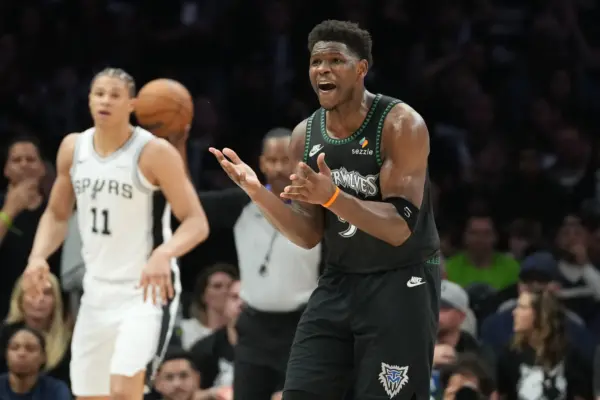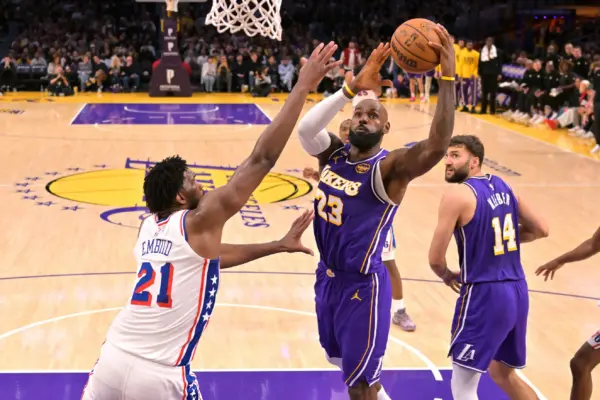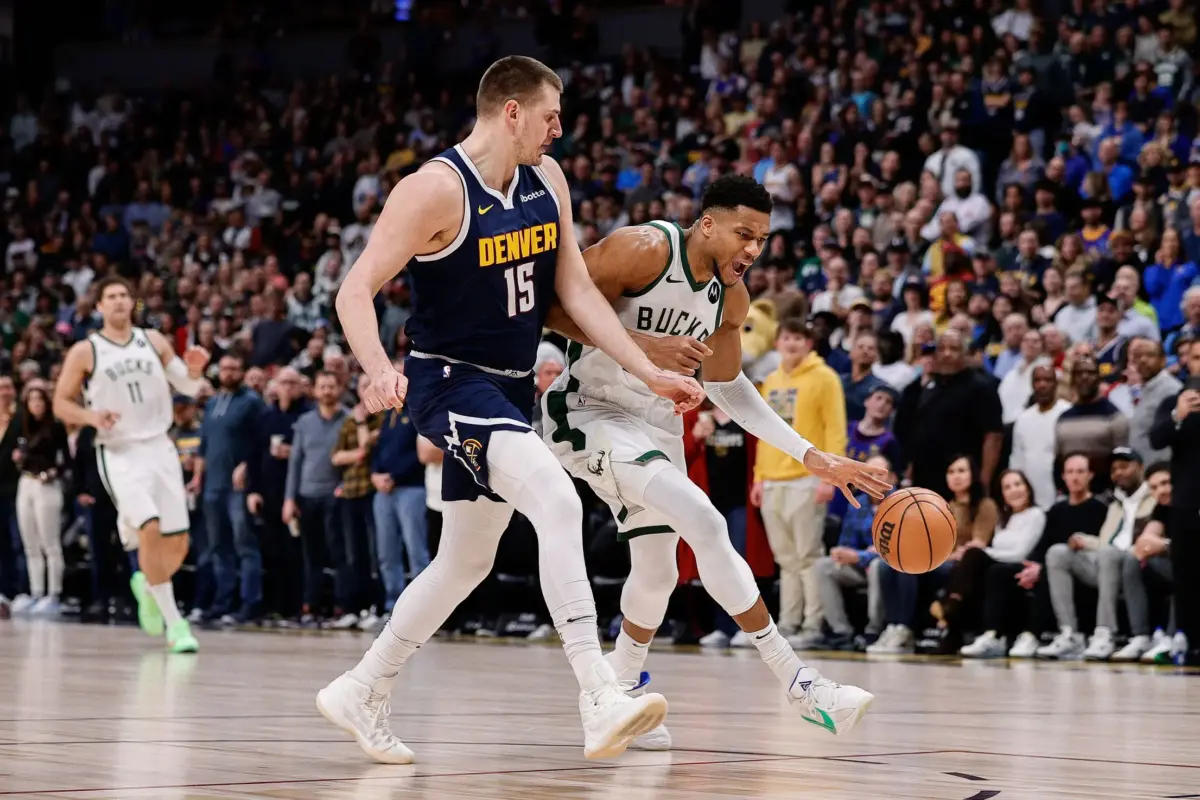

Giannis Antetokounmpo and Nikola Jokić have dominated trade talks after a disappointing regular season and a first-round exit respectively. Alright, that’s a tongue-in-cheek statement, because it’s largely Giannis’ name that has done the heavy lifting in rumors, with a well-documented rift between him and the Milwaukee Bucks. Jokić, meanwhile, has given his front office peace of mind by dispelling every rumor. Could we ever get to the point where these rumors involve European teams? I know the question sounds crazy, but that could be a possibility if teams in Europe get their way.
NBA Europe and the Transfer Idea That Didn’t Go Away
Could Giannis Antetokounmpo and Nikola Jokic Play in Europe?
The NBA is growing on multiple fronts, with domestic expansion on the horizon and a European project in the works. The “NBA Europe” project is the league’s attempt to take European basketball to another level, both commercially and competitively. But beneath the optimism and billion-dollar projections, the conversations around the league hold something more ambitious than simple expansion. European investors, many tied to football powerhouses, reportedly pushed for a soccer-style transfer system during negotiations, a system where clubs could directly purchase NBA contracts and bring American stars overseas. The idea was quickly rejected by the NBA, but the mere fact it was discussed says plenty about where this could eventually lead. It can only make us dream.
And that conversation doesn’t exist in isolation. Basketball today is no longer confined to what happens on the court or even within the four corners of the US. It is shaped by global reach and a sports marketplace where speculation and betting ecosystems move in real time across platforms like WSN.com list of sportsbooks. The result is a league that is no longer just exporting basketball culture but now sits inside a wider system that shapes how the game is watched, talked about and made sense of.
The Olympiacos Hypothetical and the Shift in Imagination
Imagine this scenario: Antetokounmpo joins Olympiacos midway through a disappointing season like the one the Milwaukee Bucks just endured. The Bucks never really looked convincing all year. By February, the conversation around them had already shifted from “can they contend?” to “where does this go from here?” They were drifting toward the finish line rather than charging toward it, and the tension around Giannis only kept growing as losses piled up.
Now place Olympiacos into that situation. Giannis made roughly $54.1 million this season, meaning the remaining months on his deal would only account for a portion of that figure. Suddenly, a hypothetical $20 million offer from Olympiacos doesn’t sound completely ridiculous anymore. In fact, it starts sounding dangerous. Dangerous for the NBA’s monopoly on star power and dangerous for the idea that Europe can only ever be a developmental stage before the “real thing” begins in America.
And that’s where the imagination starts running wild. Because this wouldn’t just be about money. It would be about symbolism. A Greek superstar returning home, not at the end of his career for a farewell tour, but still operating near the height of his powers. The atmosphere alone would feel seismic. Every Olympiacos game becomes must-see TV overnight. Every arena turns into a sold-out event.
NBA Control, European Ambition, and the Line Between
The important detail in all of this is that the NBA immediately pushed back against these ideas. The NBA currently operates with near-complete control over the basketball world, especially when it comes to elite European talent. But leagues understand something about dominance: it can become a slippery slope if viable alternatives begin to emerge. The NBA cannot afford a future where European stars start believing they can build careers, legacies, and competitive relevance outside its ecosystem.
Right now, Europe’s biggest football clubs have the financial muscle to help build something serious, even if they still lack the basketball infrastructure and institutional experience the NBA has spent decades perfecting. But that gap may not always remain this wide. Leagues evolve. Markets mature. Ambition grows. And if there’s one thing these negotiations revealed, it’s that Europe’s biggest sporting institutions are no longer content with simply producing talent for the NBA machine. They are beginning to imagine something larger.