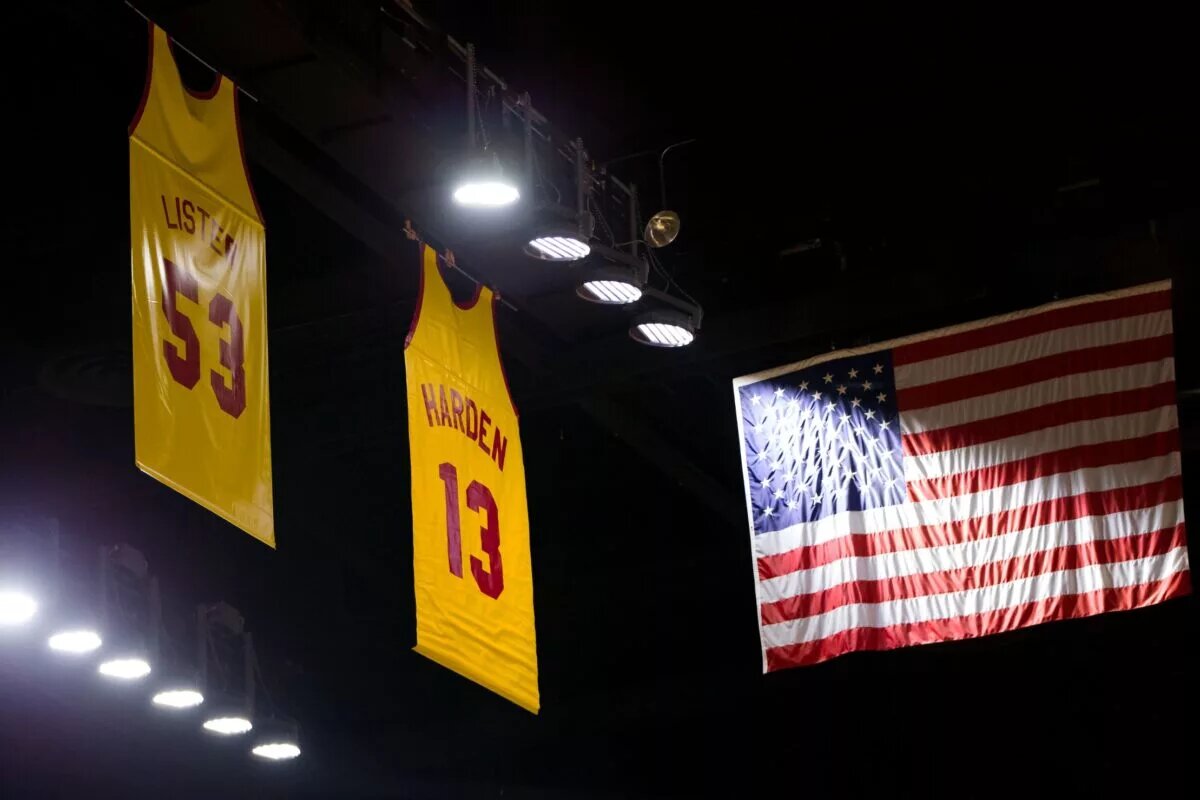

The NBA’s wealth disparity is shaping how players invest in college athletics. Some stars, like James Harden, directly fund NIL (name, image, and likeness) deals to attract top recruits to their colleges. Others, like Richard Jefferson, prefer more traditional college basketball investments, such as practice facilities. This divide highlights how players view the value of their contributions and the evolving dynamics of college sports funding.
NBA Wealth ‘Gap’ Causing Opposing Forms of College Basketball Investment
James Harden’s College NIL Investment: A Game-Changer
Harden’s approach to college investment is unique. He has funneled high-six-figure sums into Arizona State’s NIL collective, helping his alma mater compete with top programs. His investment secured Jayden Quaintance, a five-star prospect, despite Arizona State’s mediocre record. Harden sees NIL as essential to modern recruiting, ensuring his school remains competitive.
This strategy differs from traditional athlete donations. Most NBA players donate gear, fund scholarships, or build facilities. NIL, however, directly influences team performance. Harden’s willingness to embrace this method sets him apart.
Why Other NBA Players Are Hesitant
Despite the potential impact, many NBA players remain skeptical about NIL investments. Several factors contribute to this reluctance:
- Bitterness Over Missed NIL Opportunities: Many former players feel they were robbed of earning opportunities in college. Some, like a Power 4 general manager noted, are too “bitter” to contribute.
- Lack of Established NIL Operations: Smaller schools, such as Weber State and Lehigh, do not have robust NIL programs. This makes direct investment less appealing.
- Uncertainty and Risk: Unlike facilities, NIL donations don’t guarantee long-term success. A player might receive six figures and then transfer after one season. This unpredictability makes NIL investments feel like “burnt money,” as Georges Niang described.
- Focus on Legacy Investments: Stars like Carmelo Anthony and Kevin Durant prefer tangible contributions—training centers, scholarships, or campus renovations. These investments carry prestige and ensure their names remain tied to the school.
The NBA’s Wealth Disparity Influences Investment Choices
Not every NBA player can afford to invest in NIL at Harden’s level. The league has a financial hierarchy that affects spending habits.
- Top-Tier Earners: Superstars like Russell Westbrook ($345 million career earnings through 2024) and Joel Embiid ($265 million) have the wealth to invest heavily without financial concern. These players can afford to take risks on NIL or other ventures.
- Middle-Class Players: Starters and perennial sixth men, like Aaron Gordon ($284 million projected earnings by 2029) and OG Anunoby ($274 million by 2029), are in a different financial bracket. They earn well but may be more cautious with discretionary spending.
- Lower Middle-Class Players: Veterans like Kentavious Caldwell-Pope ($169 million) and Andre Drummond ($155 million) must be selective with investments. Their earnings are significant but not on the same level as superstars.
This wealth gap dictates how NBA players interact with college sports. The richest players can afford NIL risks, while others prioritize safer, long-term investments.
The Power Shift in Player Influence
NBA players now wield more influence than ever. The player empowerment era has reshaped fan loyalty and team dynamics.
- Players Over Teams: Fans often follow players instead of franchises. Luka Dončić’s trade sparked intense reactions, with some Mavericks fans considering switching allegiances. This shift strengthens the argument that players, not schools or teams, hold the most sway in basketball culture.
Superstars Controlling Talent Pipelines: Imagine Cooper Flagg, a top prospect, being financially backed by an NBA player. If such a model became common, NBA players could develop personal pipelines of talent. This influence could extend beyond NIL, giving them leverage in negotiations, future coaching roles, or front-office positions.
James Harden and Others Playing a Key Role in the Future of College Basketball Investment
Harden’s approach may be ahead of its time, but it raises questions about the future. Will more NBA players embrace NIL? Will schools rely on individual benefactors instead of traditional boosters?
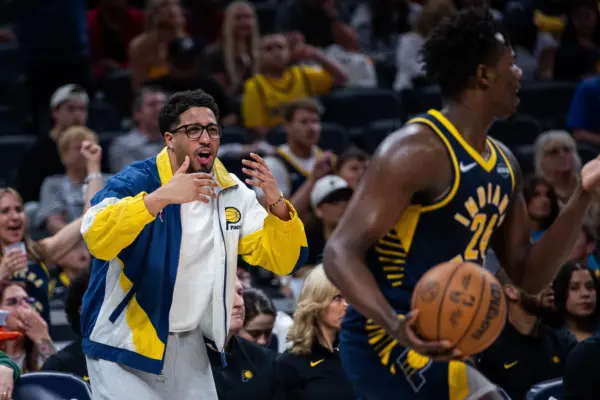
For now, the divide remains clear. Some, like Harden and Haliburton, are willing to fund NIL collectives. Others, like Jefferson and Durant, see greater value in permanent investments. As NIL continues evolving, more players may reconsider where they place their money.
In the end, the wealth gap in the NBA isn’t just about contracts—it’s shaping the future of college basketball.
© Mark J. Rebilas-Imagn Images