

The Pittsburgh Pirates have done enough to make the trade deadline matter. Their bullpen has not done enough to make the final innings feel secure. This is a leverage problem now.
Pittsburgh entered the week at 52-48 after taking two of three from the Cleveland Guardians. The Pirates have a winning record, a positive run differential and a legitimate place in the crowded National League Wild Card race. They are no longer trying to manufacture a reason to buy. They are trying to protect an opportunity that has already arrived. The most important addition is not another depth pitcher who might eventually earn a role. Pittsburgh needs a dependable right-handed reliever who can enter during the seventh or eighth inning and record difficult outs immediately.
Pirates Bullpen Has Fallen Behind the Rest of the Team
The Pirates reached the All-Star break at 50-47, only two games behind the final National League Wild Card spot. Their bullpen carried a 4.48 ERA at that point, the fourth-worst mark in the National League. That imbalance has become difficult to overlook.
The starting rotation has Paul Skenes at the top, Braxton Ashcraft coming off an All-Star appearance, and Jared Jones beginning to resemble the overpowering pitcher Pittsburgh expected before his elbow injury. Jones allowed only two runs across 15 innings in his first three July starts while striking out 23 and walking three.
The offense has also given Pittsburgh more support than it did during recent seasons. Injured players such as Oneil Cruz and Spencer Horwitz could strengthen the lineup further when they return.
The late innings remain less certain. A strong start can quickly become irrelevant if manager Don Kelly does not have enough relievers he trusts with a narrow lead. General Manager Ben Cherington has acknowledged the opportunity in front of the organization.
“I’ve said we believe in this team and we want to find ways to improve it,” Cherington said while discussing Pittsburgh’s deadline approach.
Improving the Pirates bullpen should be the clearest way to follow through.
Right-Handed Relief Would Change Every Role
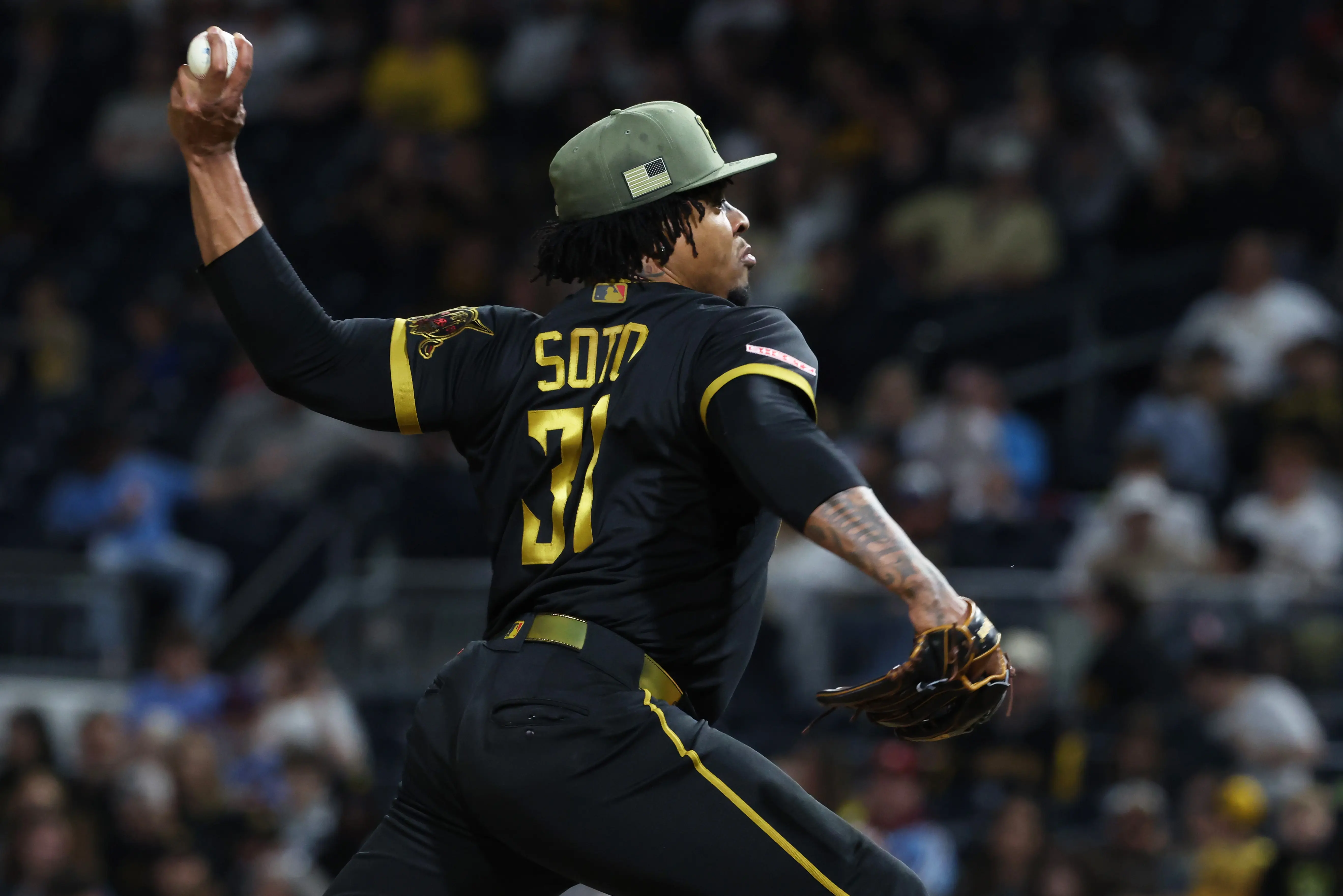
Pittsburgh has several left-handed options. Gregory Soto can work in leverage, while Brandon Eisert, Mason Montgomery and Evan Sisk give Kelly different matchup possibilities when the group is healthy.
The right side, however, has not offered the same stability.
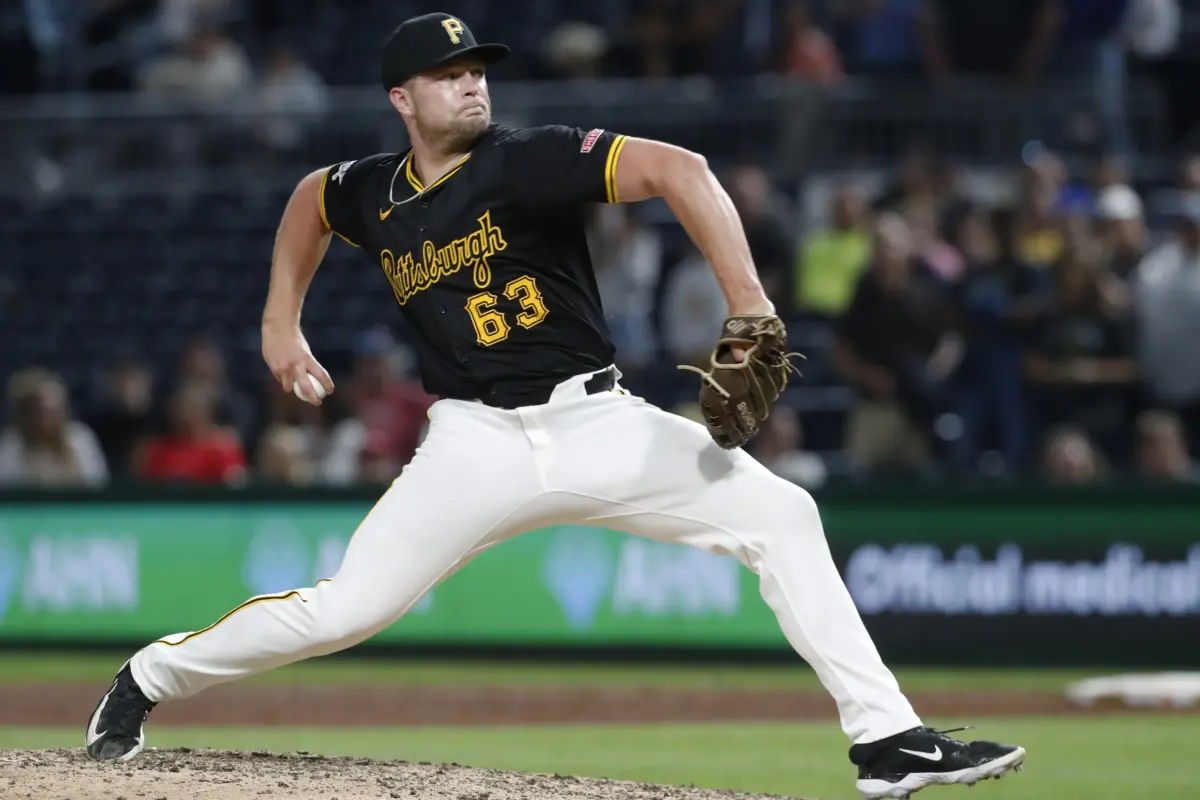
Dennis Santana has struggled to establish the consistency Pittsburgh expected from him in a prominent late-inning role. The lack of another proven right-hander can also force Kelly to use Soto against sections of the lineup that do not provide an ideal matchup.
One dependable addition would change the structure of the entire bullpen. Soto could be deployed against dangerous left-handed hitters instead of being tied to one inning. Less-established relievers could move into lower-pressure assignments. Kelly would have another answer when the middle of an opponent’s order arrives in the seventh or eighth.
The target does not need to be a famous closer. Pittsburgh should prioritize a reliever who misses bats, limits walks and can retire hitters from both sides of the plate. The available market includes several realistic bullpen options with different levels of cost, control and late-inning experience.
Internal Reinforcements Cannot Be the Entire Plan
The bullpen can still improve without a trade. Wilber Dotel and Sisk were expected to return from injuries after the All-Star break, while Carmen Mlodzinski remains capable of covering multiple innings. Hunter Stratton also returned to the organization as another right-handed option. Those pitchers can deepen the group. They should not end the search.
Dotel is still developing as a major-league reliever. Sisk adds another left-hander rather than answering the need on the right side. Mlodzinski’s flexible role can make him valuable, but his workload and recovery requirements prevent Kelly from treating him like a traditional setup man every night.
Stratton has held right-handed hitters to a .193 average and .569 OPS during his major-league career, but left-handed hitters have produced a .925 OPS against him. That makes him a potentially useful matchup arm rather than a complete late-inning solution.
Pittsburgh can search beyond the most expensive names and consider less-discussed bullpen targets who would still represent meaningful upgrades. The goal is not to add another possibility. It is to acquire someone who has already shown he can handle leverage.
Pittsburgh Can Buy Without Damaging Its Future
The Pirates do not need to trade one of their best prospects for a rental reliever. They also should not allow fear of losing secondary prospect capital to prevent them from improving a postseason contender. There is a reasonable middle ground.
A reliever under team control beyond 2026 would justify a stronger return because he could remain part of the bullpen for another playoff push. A rental should cost less, but could still be valuable if he stabilizes the final two months of the season.
The organization has several prospects whose trade value has increased, giving Cherington options without reaching immediately for the top of the farm system. Pittsburgh could also attempt to address more than one role through a two-reliever trade structure if the combined price is more appealing than separate deals.
The Pirates should remain disciplined. They should not remain passive.
Pirates Cannot Waste Their Best Opening in Years
Pittsburgh has not reached the postseason since 2015. The organization has spent much of the past decade trading established players, collecting prospects and asking supporters to wait for a more sustainable opportunity. That opportunity is here now.
Skenes gives the Pirates an ace capable of changing any series. Ashcraft and Jones have helped build a rotation that could be dangerous in October. The offense has become deeper and more productive. The standings are close enough for one strong stretch to change the direction of the season.
Adding one dependable right-handed reliever would not guarantee a postseason appearance. It would give Kelly more flexibility, protect the rotation’s work and prevent inexperienced pitchers from being pushed into roles they are not ready to handle.
The Pirates have spent years waiting to play meaningful baseball after the trade deadline. They need to have to build a bullpen capable of finishing it.
Main Photo: Charles LeClaire- Imagn Images