

Day One of the 2026 MLB draft is now behind us. The first 135 picks of the draft have been made, and the Pittsburgh Pirates had five of those picks. They selected fifth, 44th, 51st, 80th, and 108th overall on Day one of the draft. The Pirates certainly drafted some interesting players, so how did they do overall?
Grading The Pirates’ Day One Draft Haul
Underslot First Round Pick?
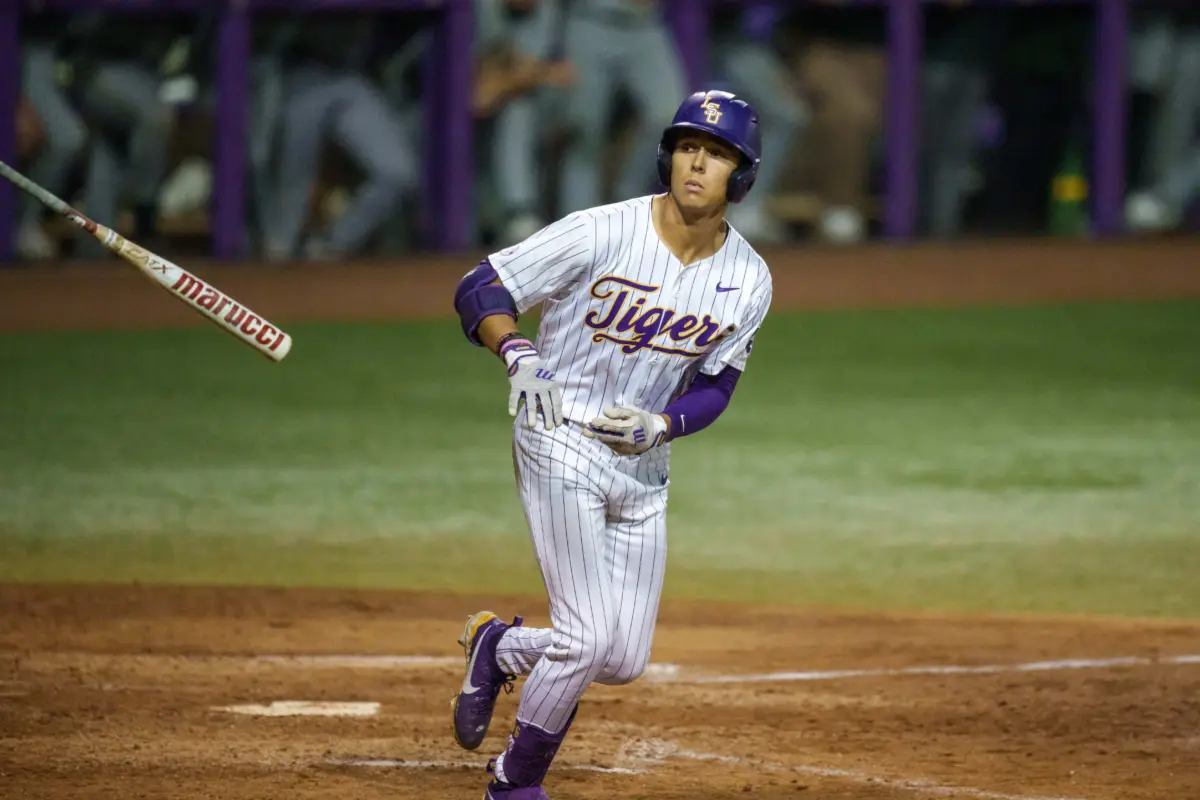
The Pirates surprised many fans, taking Louisiana State University outfielder Derek Curiel fifth overall. Curiel ranked as MLB Pipeline’s 12th-best prospect, and Baseball America’s final mock draft didn’t have him going until the tenth overall pick. The young outfielder finished off his final college season batting .353/.431/.526 with a 116 wRC+ over 274 plate appearances. Curiel only hit six home runs with a .172 isolated slugging percentage, but walked (12.4% BB rate) nearly as often as he struck out (15.7% K rate).
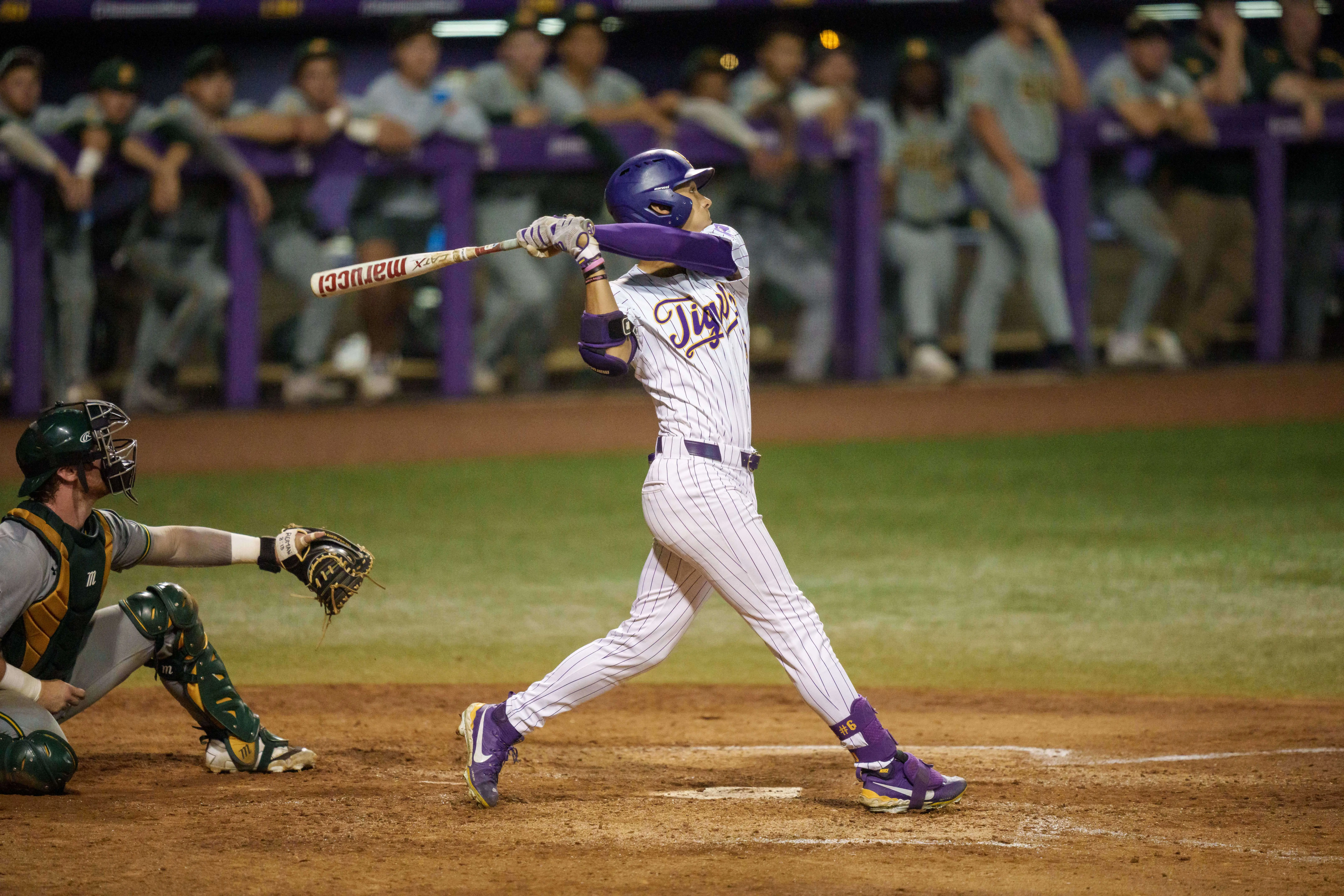
Curiel hit like he is projected to. He is a hit-over-power type batter, and has the defensive chops to stick in center field long term. Curiel is also an above-average runner. His arm, while not the best in the class, still projects as average, and he regularly makes accurate throws from the outfield. His carrying tool is his hit tool.
Top Defensive Infielder of the Class
Since the Pirates traded their competitive balance round A pick less than a day before the draft to the Chicago White Sox, their next pick was in the second round. They used that pick on high school shortstop Aiden Ruiz. He is one of, if not the best, defender in this year’s draft class.
Ruiz projects as a future Gold Glove shortstop, with a strong enough arm to stick there and above-average speed that will help his range. He is a switch-hitter with good bat-to-ball skills, but at 5’10”, 160 lbs., he doesn’t project to hit for very much power. Ruiz started up the middle for Team USA’s 18U team, which won gold.
Another Interesting College Bat
After the Pirates took Ruiz, they selected Chris Rembert with their supplemental pick for failing to sign Angel Cervantes last year. Rembert, who was selected out of Auburn, batted .343/.399/.459 with a 97 wRC+ over 265 plate appearances. Rembert has impressive bat speed, which leads to hope for more power.
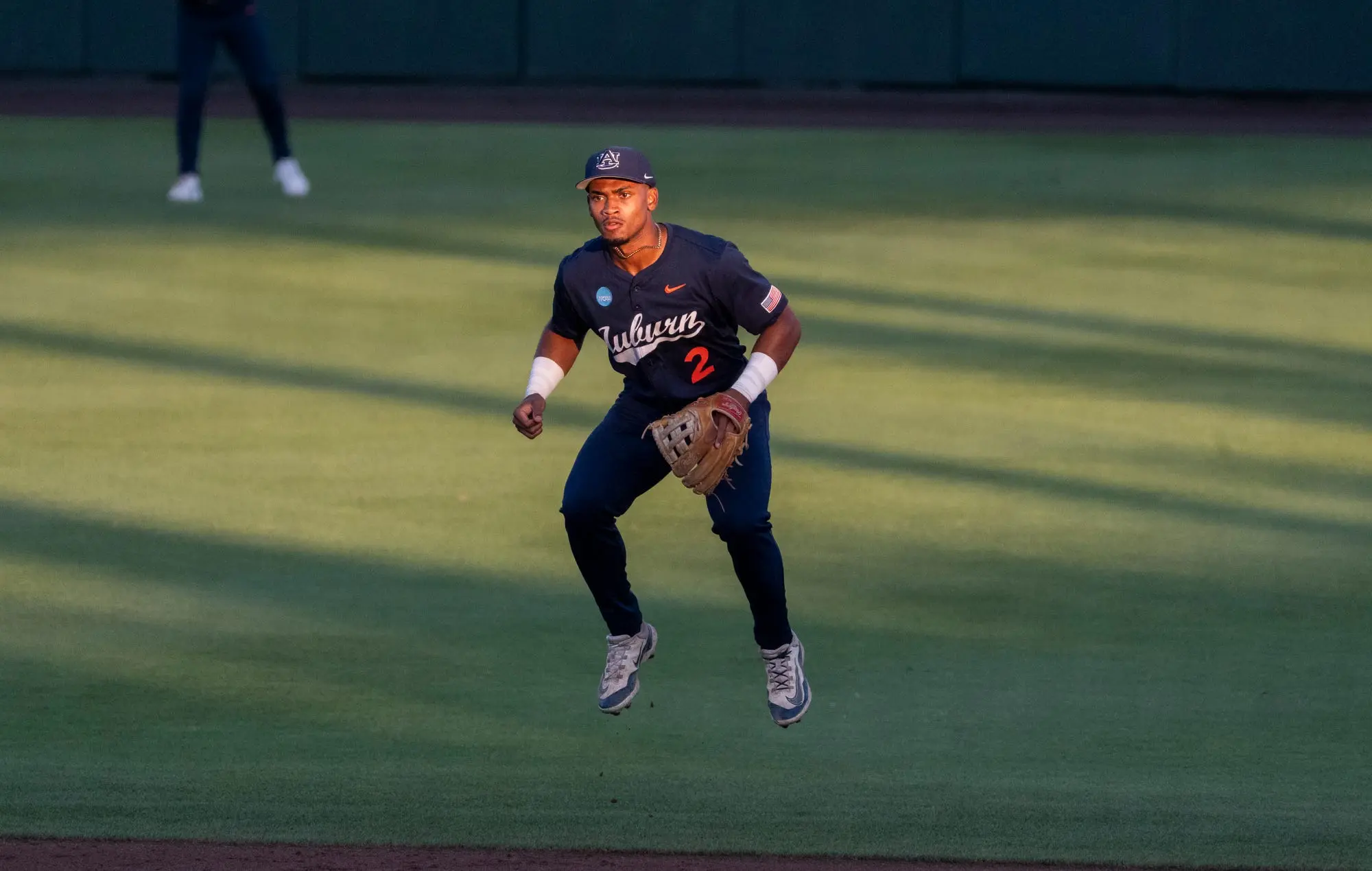
However, he’ll have to tweak his swing to hit more fly balls to tap into his raw power fully. He’s shown both good plate discipline and bat skills, though an ankle injury this year hampered his overall performance. Rembert projects as an average defender at second base with enough speed to cover an up-the-middle position. He also has enough arm strength to move to left field.
First Pitcher of the Draft
The Pirates have had many pitcher-heavy drafts since Ben Cherington took over. This year, they didn’t take a pitcher until the third round, with Jason DeCaro from the University of North Carolina. The right-hander finished off his final college season with a 2.87 ERA, a 24.2% K rate, and a 10.2% BB rate over 97 1/3 innings pitched.
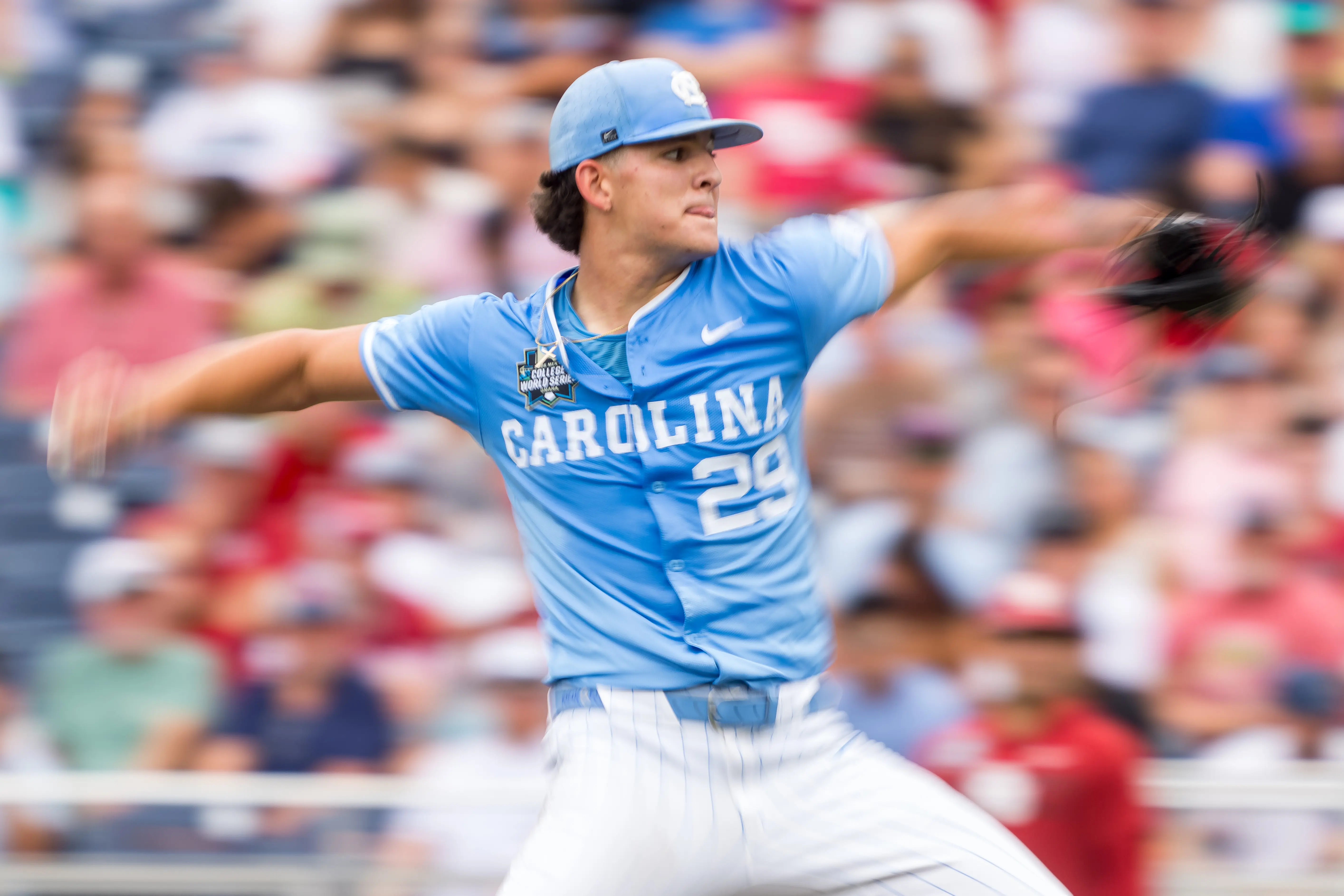
DeCaro’s fastball sits 91-94 MPH, but his 6’5”, 225-LBS frame and max velo of 97 MPH suggest he can add some velocity. His secondaries include a curveball, slider, and change-up, and he has average control over his arsenal. DeCaro doesn’t have one elite pitch, but a bevy of solid offerings. He projects as a high-floor/low-ceiling type arm, with the hope that more velocity can improve his future outlook.
A High School Outfielder
The Pirates finished off their draft day one by selecting high school outfielder Andruw Giles. There isn’t one thing Giles struggles in. He’s shown good raw power, along with pure hitting ability. Giles is an above-average runner with the speed to stick in center field. He projects as an average defender up the middle, but could be an above-average fielder in a corner. Plus, he has the arm strength to play anywhere in the outfield. Giles may not have one plus tool, but a handful of skills that project as average to above-average.
Final Overview and Grade
The Pirates chose to go with a handful of high-floor, low-risk type prospects on their first day of the draft. While they didn’t select anyone with an overly exciting toolset, they did add a handful of players who do not have very many below-average skills.
However, that also means the Pirates are risking not drafting a potential future star. While this sort of approach minimizes risk, it also limits potential. Of course, it’s too early to call any of the prospects the Pirates drafted bad picks. We shall see how it ages over the next few seasons.
Final Grade: C
Main Photo Credit: Matthew Hinton-Imagn Images