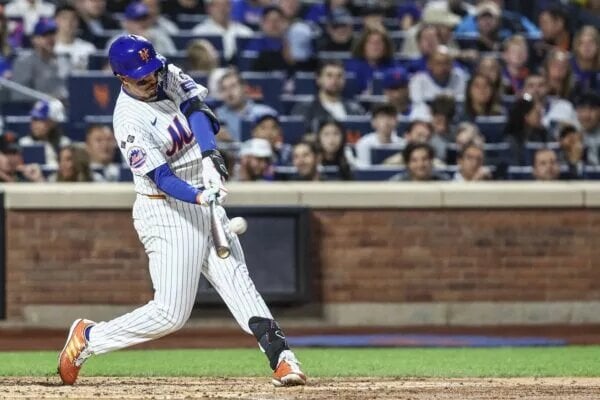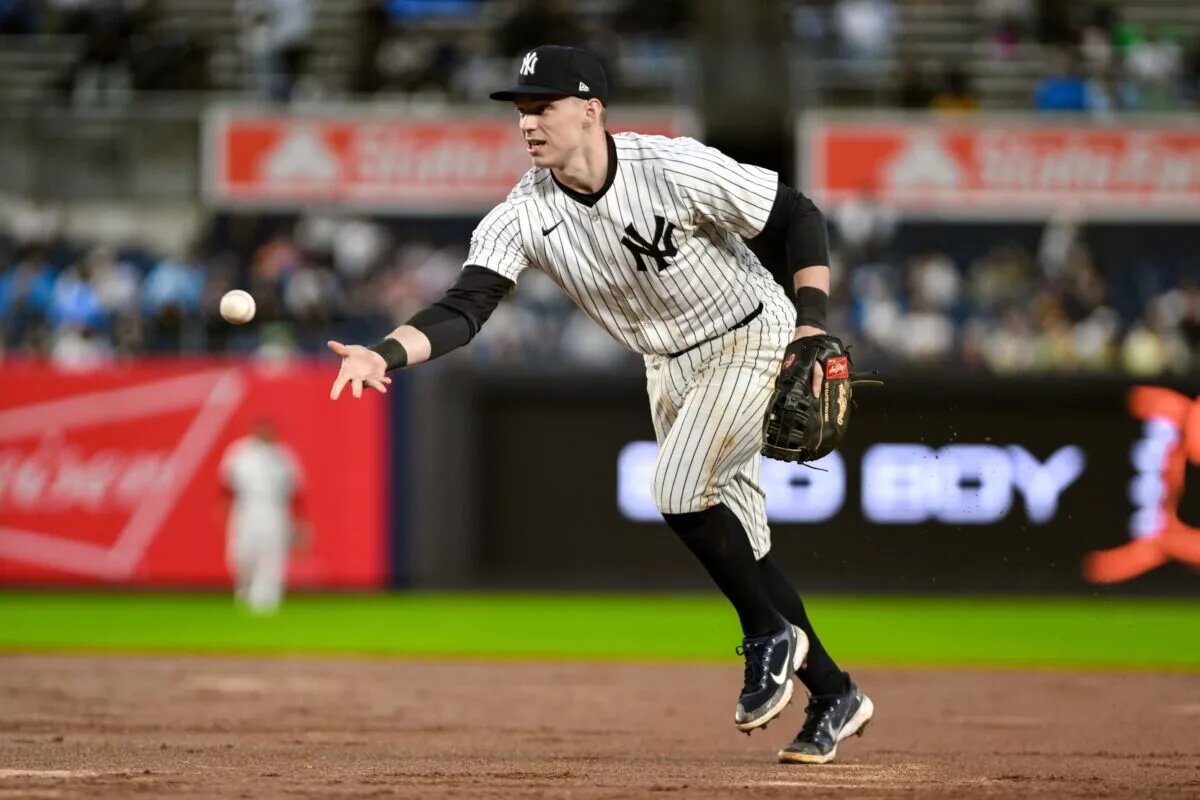
When Ben Rice surged from Dartmouth College to the big leagues, it wasn’t just a feel-good story—it was a signal. A signal that the Ivy League, long overlooked in baseball circles, is quietly carving out a more relevant role in the modern MLB pipeline.
For decades, the Ivy League has existed on the fringes of professional baseball development. No athletic scholarships. Limited exposure. Brutal academic demands. And yet, despite those barriers, each Ivy League school has produced Major League talent.
Here’s a two-player snapshot from each program, followed by a deeper look at what it all means.
Ivy League MLB Players
🟩 Dartmouth College
Rice represents the modern Ivy breakout, while Rolfe anchored a Yankees dynasty—proof that elite talent has always existed here, just rarely.
🟦 Yale University
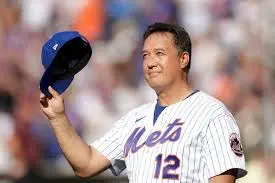
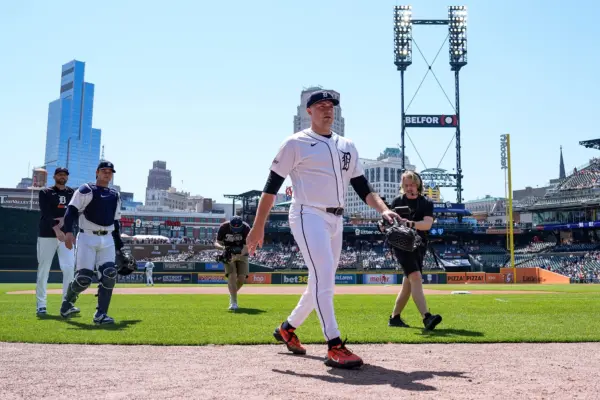
Yale stands out as the most consistent pipeline, especially for pitchers. Darling dominated in the 1980s, while Breslow has become a bridge between analytics and baseball operations.
🟥 Harvard University
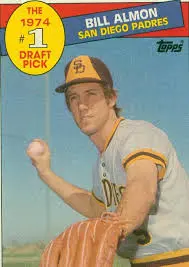
Almon’s No. 1 overall selection remains one of the most fascinating anomalies in draft history—a reminder that Ivy talent can flash elite upside.
🟧 Princeton University

Princeton’s strength lies in pitching intelligence and adaptability—traits that translate well in today’s data-driven game.
🟨 Columbia University
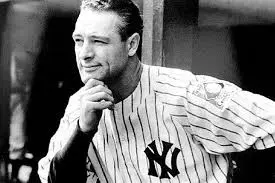
This is the gold standard. Gehrig and Collins aren’t just Ivy alumni—they’re two of the greatest players in MLB history.
🟫 Brown University
Brown’s contributions are smaller, but still part of a rare and exclusive baseball fraternity.
🟥 Cornell University
Baker’s Hall of Fame career ties Cornell to baseball’s earliest era of dominance and innovation.
🟦 University of Pennsylvania
Penn has quietly produced some of the most versatile and intellectually respected players of the modern era.
The Real Story: Why Ivy League Talent Is Different
The numbers alone don’t tell the full story. Ivy League programs have produced only a fraction of MLB players compared to major conferences, but context is everything.
These players succeed despite:
- No scholarship-driven recruiting pipelines
- Shorter practice and development windows
- Less national exposure and scouting attention
Because of this, Ivy players who do reach MLB often share common traits:
- Advanced plate discipline
- Strong situational awareness
- High adaptability
In other words, they play a thinking man’s version of baseball—something that’s becoming increasingly valuable.
Why the Ivy League Pipeline Is Growing
Modern baseball is evolving, and that evolution favors players like Ben Rice.
Today’s game emphasizes:
- Analytics
- Swing decisions
- Pitch design
- Mental processing speed
These are areas where Ivy League athletes often excel.
Even more importantly, Ivy alumni are now influencing the game beyond the field. Figures like Craig Breslow and Chris Young are shaping roster construction, pitching strategy, and player development philosophies.
That creates a feedback loop:
- Ivy players enter MLB
- They transition into leadership roles
- They begin valuing players with similar profiles
The Future: A Market Inefficiency?
Here’s where it gets interesting.
In a league constantly searching for undervalued talent, the Ivy League might represent a true market inefficiency. Players who are:
- Under-scouted
- Highly coachable
- Mentally advanced
That’s exactly the type of player organizations want to develop.
If Rice continues his trajectory, he won’t just be a success story—he’ll be a case study.
The Last Word
The Ivy League will never rival SEC or ACC baseball in volume. But it doesn’t have to.
Because when Ivy League players reach MLB, they often bring something different—a blend of intelligence, discipline, and adaptability that fits perfectly in today’s game.
And as baseball continues to evolve, don’t be surprised if the next breakout star isn’t from a traditional powerhouse…
…but from an Ivy League classroom.