
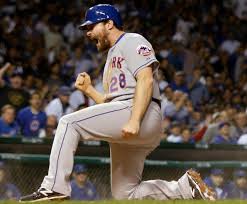
When players around Major League Baseball voted Daniel Murphy the 2016 National League Outstanding Player, it wasn’t just about numbers. It was about respect.
Now, a decade removed from his unforgettable postseason run and six years after retiring, Murphy’s name is surfacing again — this time not in MVP conversations, but in labor leadership circles. As of February 2026, the former All-Star infielder has emerged as a prominent candidate to replace Tony Clark as Executive Director of the Major League Baseball Players Association.
For a player who built his career on preparation, precision, and peer trust, the transition from clubhouse leader to union chief might make more sense than it initially appears.
The Interim Era — And What Comes Next
In the wake of Tony Clark’s resignation, the MLBPA appointed an interim executive leader to stabilize operations and oversee day-to-day union matters while the search for a permanent Executive Director unfolds. The interim’s role is focused on continuity — maintaining collective bargaining frameworks, preserving player services, and ensuring internal governance remains steady during a period of transition.
However, the long-term direction of the union will hinge on who ultimately earns the full-time appointment. That’s where Murphy’s candidacy carries weight. League insiders view him not merely as a symbolic former star, but as a legitimate finalist for the permanent role. His combination of clubhouse credibility, analytical acumen, and modern perspective aligns with what many players believe the next era of leadership requires. The interim appointment buys time — but Murphy represents a vision.
From NLCS Legend to Labor Leader?
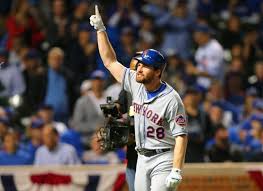
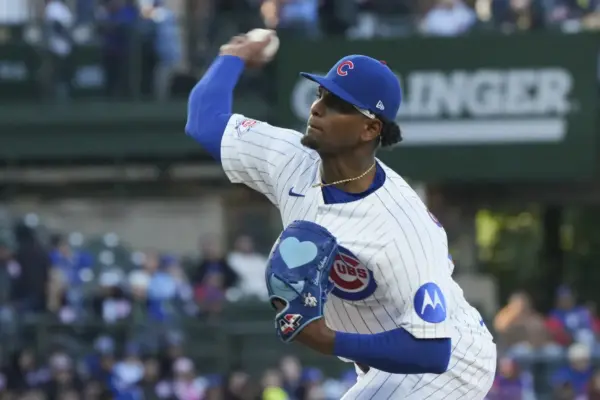
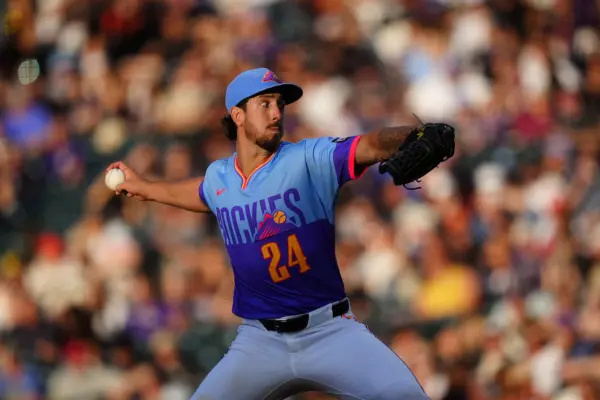
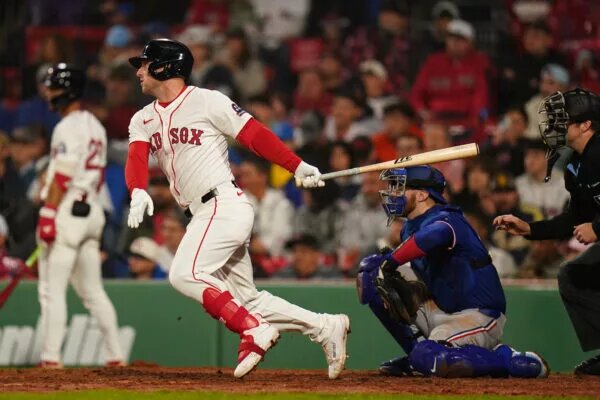
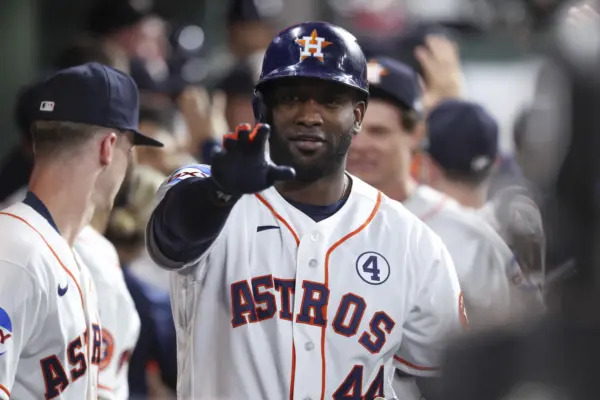
Daniel Murphy played 12 seasons in the majors (2008–2020), suiting up for the New York Mets, Washington Nationals, Chicago Cubs, and Colorado Rockies. A three-time All-Star, Murphy’s defining stretch came in October 2015, when he launched seven postseason home runs — including four in the NLCS — to carry the Mets to the World Series and capture NLCS MVP honors.
That performance redefined his national profile. But insiders knew the real transformation began earlier — in batting cages, film rooms, and data sessions.
By 2016, Murphy wasn’t just a contact hitter. He had evolved into one of baseball’s most complete offensive threats. He finished that season slashing .347/.390/.595 with 25 home runs, finishing second in NL MVP voting and earning recognition from his peers as the league’s most outstanding player.
That peer-driven recognition may matter most now.
A “Hit ’Em Where They Ain’t” Philosopher
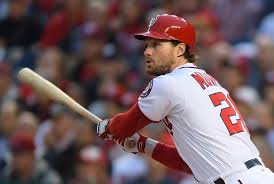
Murphy’s offensive renaissance wasn’t accidental. It was rooted in intentional change.
He famously embraced a data-driven, mechanical overhaul that prioritized lifting the baseball and driving it to the opposite field. Rather than selling out for pull power, Murphy focused on staying through the ball longer — giving himself more time to react against elite pitching.
The result? Harder contact. More line drives. More damage in the air.
His philosophy could be summarized in one old-school phrase: “Hit ’em where they ain’t.”
But Murphy’s approach wasn’t rigid. It was situational.
He often spoke about watching the scoreboard mid-at-bat. What does the team need? A sacrifice fly? A single the other way? A gap shot with two outs? For Murphy, the swing wasn’t about ego. It was about actionable goals.
That mindset resonates in union leadership conversations. The MLBPA Executive Director must balance analytics, economics, competitive integrity, and player welfare — all while adapting to shifting labor landscapes.
Murphy’s career suggests he understands adaptation better than most.
The “Play” Philosophy
Another element that defined Murphy’s clubhouse presence was his belief in allowing players to “play” — literally.
He was vocal about avoiding over-coaching and drill-heavy monotony. Instead, he advocated for competitive scrimmaging, instinctive learning, and game-speed repetitions.
In his view, development came through engagement, not micromanagement.
That philosophy earned him respect from younger teammates and veterans alike. He wasn’t loud. He wasn’t flashy. But he was intentional.
And in a union environment, navigating revenue splits, competitive balance tax debates, international draft discussions, and evolving player compensation models, intentional leadership matters.
Replacing Tony Clark: A Defining Moment
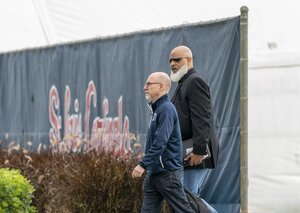
Tony Clark’s tenure as Executive Director placed him at the forefront of some of baseball’s most consequential labor negotiations. With his resignation following an internal investigation, the MLBPA now faces a pivotal inflection point.
The next Executive Director must:
-
Navigate evolving revenue streams (streaming, international markets, private equity influence).
-
Protect player interests in future collective bargaining talks.
-
Maintain solidarity among a diverse membership of veterans, stars, and pre-arbitration players.
Murphy’s candidacy signals that players may be looking for someone who combines analytical thinking with clubhouse credibility.
He’s also appearing on the 2026 Hall of Fame ballot for the first time — a reminder of how impactful his peak truly was.
But this isn’t about Cooperstown.
It’s about trust.
Why Murphy Makes Sense
Murphy checks several critical boxes:
Peer Respect: Voted NL Outstanding Player by fellow players in 2016.
Adaptability: Reinvented his swing mid-career and thrived.
Intelligence: Known for film study, analytics integration, and strategic adjustments.
Clubhouse Influence: Viewed as thoughtful, steady, and team-oriented.
Leading a union requires more than star power. It demands credibility across pay scales — from superstars to fringe roster players.
Murphy built his career as an underdog-turned-elite performer. That perspective could resonate deeply with the MLBPA membership.
A New Chapter in Baseball Leadership
Daniel Murphy’s postseason heroics in 2015 cemented his legacy as one of the most clutch hitters of his era. His 2016 breakout proved he could evolve. Now, 2026 may present his most consequential challenge yet.
If selected to lead the MLBPA, Murphy would transition from shaping at-bats to shaping the future of Major League Baseball’s labor landscape.
The same meticulous preparation that once prepared him for Clayton Kershaw’s fastballs may soon prepare him for ownership negotiations.
And if history is any guide, he won’t rush.
He’ll stay on the ball.
He’ll read the scoreboard.
And he’ll aim for the gap.