
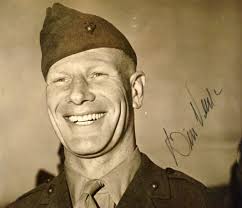

Baseball has always loved its numbers. But Bill Veeck understood something deeper: fans don’t fall in love with spreadsheets — they fall in love with moments.
Long before “fan engagement” became a corporate buzzword, Veeck was already transforming Major League Baseball into a full-blown spectacle. He didn’t just want people to watch games. He wanted them to experience them.
Veeck wasn’t a traditional owner, and that was exactly the point.
A Radical Idea: Baseball Should Be Fun
Born in 1914, Bill Veeck grew up around the game but never treated it with the stiff reverence of baseball’s old guard. When he took ownership roles with the Cleveland Indians, St. Louis Browns, and Chicago White Sox, he brought a revolutionary philosophy with him:
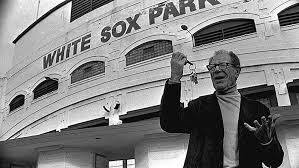
Baseball belonged to the fans.
At a time when owners catered to executives and season-ticket elites, Veeck chased everyday people. Cheap tickets. Loud promotions. A ballpark that felt alive. He saw stadiums not as cathedrals, but as theaters — places where something memorable should happen every night.
And he delivered.
Turning Games Into Events
Many staples of the modern ballpark trace directly back to Veeck’s imagination.
Fireworks. Music between innings. Animated scoreboards. Promotional nights. Even something as common as names on the backs of jerseys, first introduced by Veeck’s White Sox in 1960, was once considered radical.
Veeck understood baseball didn’t just compete with other sports — it competed with boredom. So he made sure fans left talking about what they saw, not just the final score.
The Ultimate Showman — and Provocateur
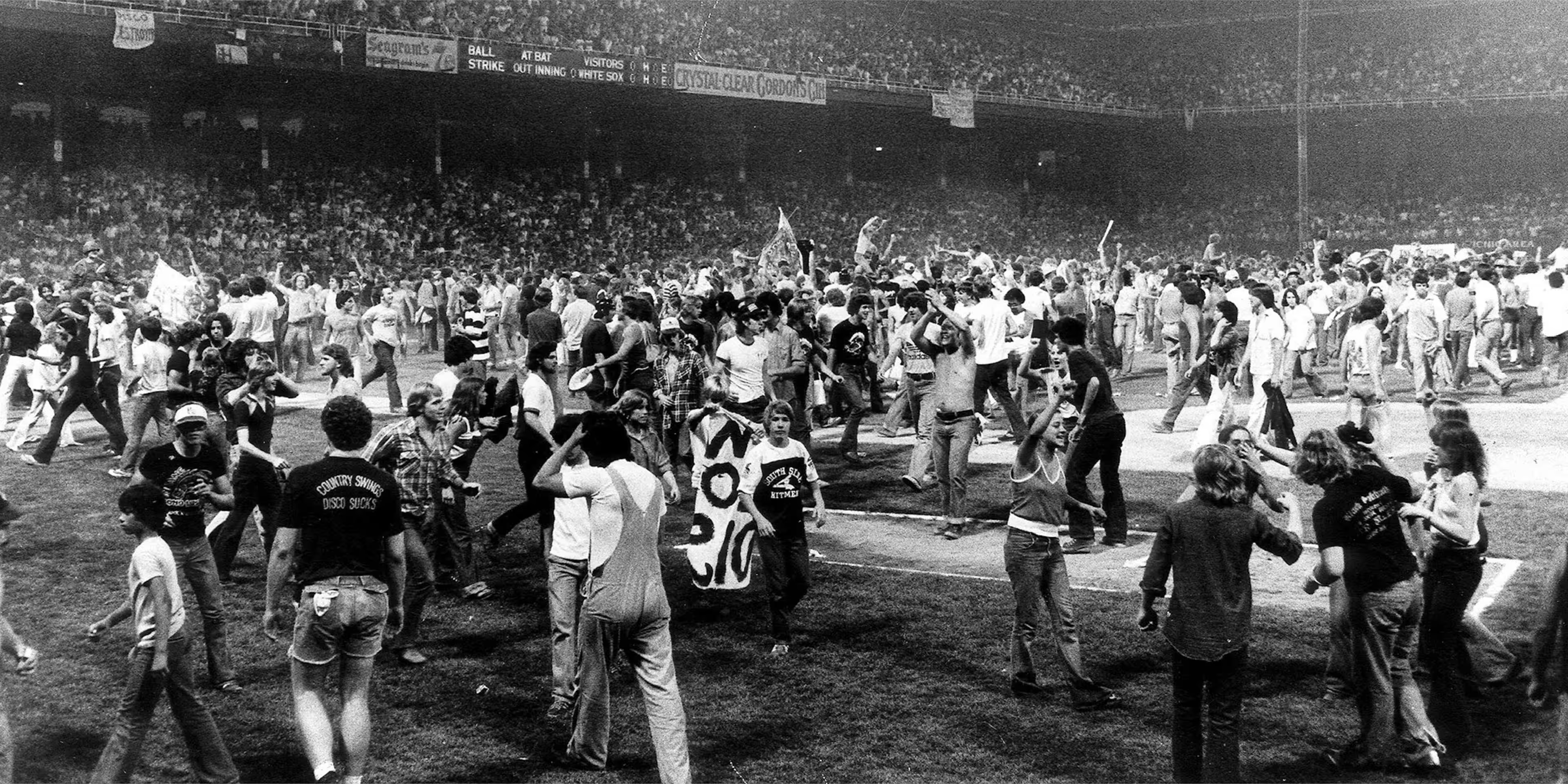
Veeck’s flair for spectacle often pushed the limits of decorum, and nowhere was that clearer than in his most infamous promotion.
On July 12, 1979, the White Sox hosted Disco Demolition Night, the brainchild of Veeck’s son Mike and Chicago radio personality Steve Dahl. Fans were encouraged to bring disco records to Comiskey Park, which were then detonated on the field between games of a doubleheader.
The explosion was literal — and so was the fallout.
Thousands of fans stormed the field, the second game was forfeited, and the event became one of the most infamous nights in MLB history. Critics called it reckless. The league was furious. Veeck, ever the showman, knew exactly what had happened: baseball had captured the nation’s attention.
Disco Demolition Night was chaotic, controversial, and undeniably unforgettable — a perfect snapshot of the Veeck philosophy. If people were talking about baseball the next morning, he’d done his job.
More Than Stunts: A Force for Change
For all his theatrics, Veeck’s most meaningful impact came without pyrotechnics.
In 1947, just weeks after Jackie Robinson broke the National League color barrier, Veeck signed Larry Doby, making him the first Black player in the American League. There was no delay, no hedging, no performative hesitation. Veeck believed talent mattered more than tradition — and acted accordingly.
Doby faced immense pressure and isolation, but Veeck supported him fully, helping accelerate baseball’s long, uneven path toward integration.
It was proof that behind the showmanship was real conviction.
A Fighter On and Off the Field
Veeck’s defiance extended beyond baseball. He served in World War II and lost much of his leg due to complications from injury. He later joked about it, incorporated it into promotions, and refused to let it define him.
He was also candid about personal struggles, including alcoholism, long before such honesty was common among sports executives.
Through triumph, controversy, and chaos, Veeck remained unapologetically himself.
The Legacy Lives On
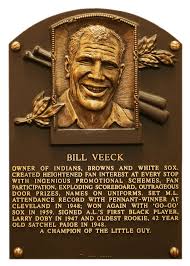
Modern baseball is filled with Bill Veeck’s fingerprints. Theme nights. Giveaways. Interactive experiences. The idea that a game should feel like an event.
Every time a team markets “the ballpark experience,” they’re following his blueprint.
Bill Veeck didn’t cheapen baseball by making it fun. He saved it.
He reminded the sport that joy matters, fans matter, and that sometimes the most lasting legacy isn’t found in the standings — but in the memories people carry home with them long after the lights go out.