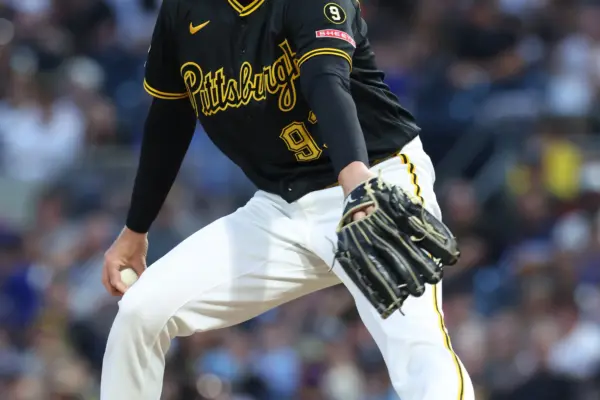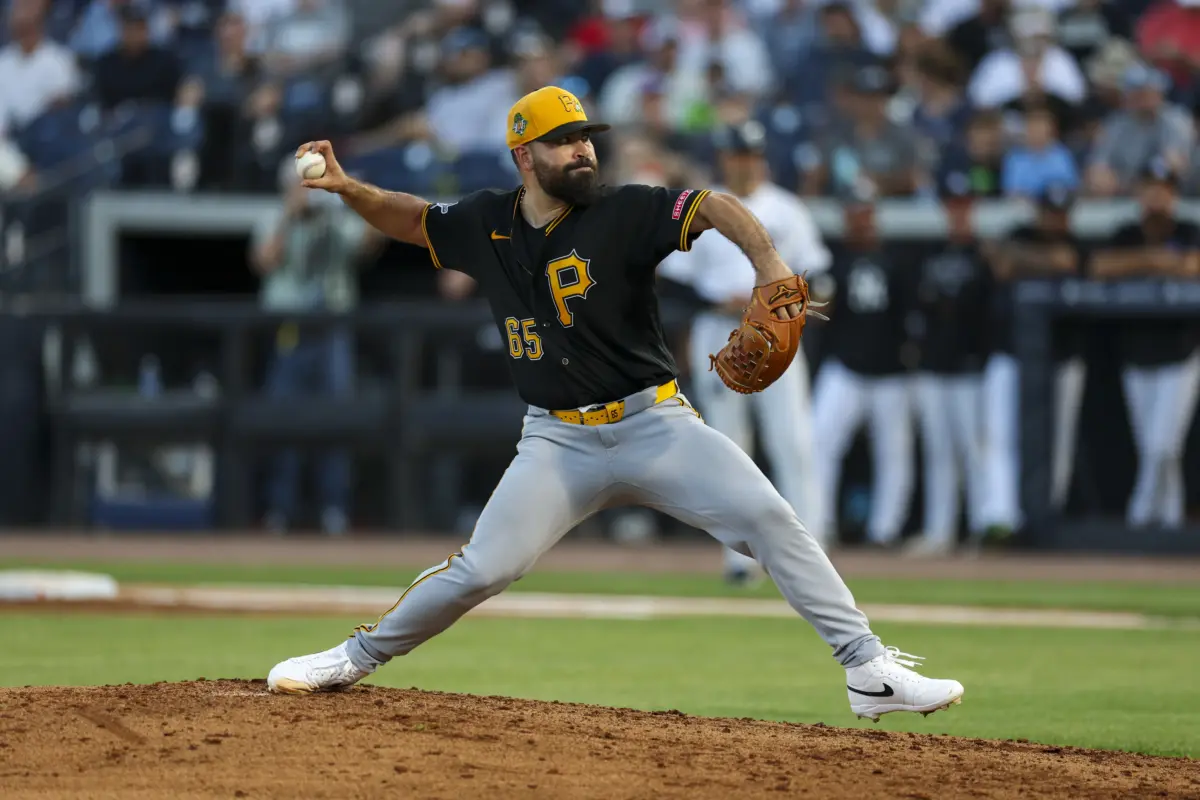

One of the last-minute signings the Pittsburgh Pirates made before Spring Training was picking up right-handed pitcher Jose Urquidy to a one-year, $1.5 million deal. To put it nicely, the signing hasn’t worked out for the Pirates. The former Houston Astros starter threw just 6.1 Major League innings with the Pirates, allowing six earned runs, 15 hits, and a home run. The Pirates sent Urquidy to Triple-A, and things haven’t gotten much better, as he’s allowed 16 more earned runs on 27 hits and six home runs in just 26.1 innings of work.
The Pirates knew they were taking on a risky contract. Urquidy barely pitched from 2023 through 2025, suffering a multitude of injuries. Even at his peak, Urquidy was only a #4-type starter. With the Bucs’ bullpen currently struggling mightily, it would have been nice if the Pirates had signed a different reliever instead. Even with hindsight, they could have improved their depth chart while paying the same amount of money or less to one of these relievers who were available.
Five Relievers the Pirates Could Have Signed Instead of Jose Urquidy (And for the Same Price)
Jacob Webb
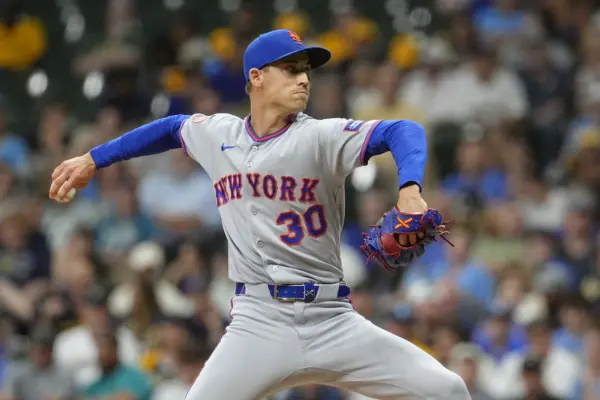
Right-hander Jacob Webb turned in back-to-back solid seasons with the Baltimore Orioles and Texas Rangers in 2024 and 2025. Between the two years, Webb produced a 3.02 ERA, 3.95 FIP, and 1.10 WHIP over 122.2 innings of work. His 23% K rate and 9.1% BB rate may not have jumped off the page; however, neither was detrimental to his performance. Instead, where Webb excelled was in limiting hard contact. He held opponents to a meager 87 MPH exit velocity and 6.8% barrel percentage.
After a very shaky start, Jacob Webb has settled down and been solid over the last month.
Since April 18th:
13.0 IP
1.39 ERA
1.00 WHIP
27.8% K%
5.6% BB%
19.0% SwStr% pic.twitter.com/of4tkspOiV— Carson Wolf (@TheWrigleyWire) May 21, 2026
Webb also signed a one-year, $1.5 million pact with the Chicago Cubs. His first 21.2 innings of the year have yielded a quality 2.91 ERA, 3.70 FIP, and 1.38 WHIP. Webb is walking fewer batters on average with an 8.5% BB rate, and has upped his K% to 26.6%. The right-hander also has both a chase (35.1%) and whiff (32.1%) over the 85th percentile. The only downside is that he isn’t inducing as much weak contact, with a 92 MPH exit velocity, and 10.2% barrel rate. However, having Webb would have made the Pirates’ bullpen look a lot better right about now.
Tyler Alexander
On the surface, Tyler Alexander’s 4.98 ERA and 19.4% strikeout rate over 97.2 innings with the Milwaukee Brewers and Chicago White Sox would not count as hindsight. However, he only walked 7.1% of batters and was very good at limiting hard contact. Alexander held batters to an 88.5 MPH exit velocity and barrel rate of just 5.9%. That helped him keep up a strong 0.83 HR/9 ratio. Despite Alexander’s poor ERA, he also owned a solid 3.64 FIP.
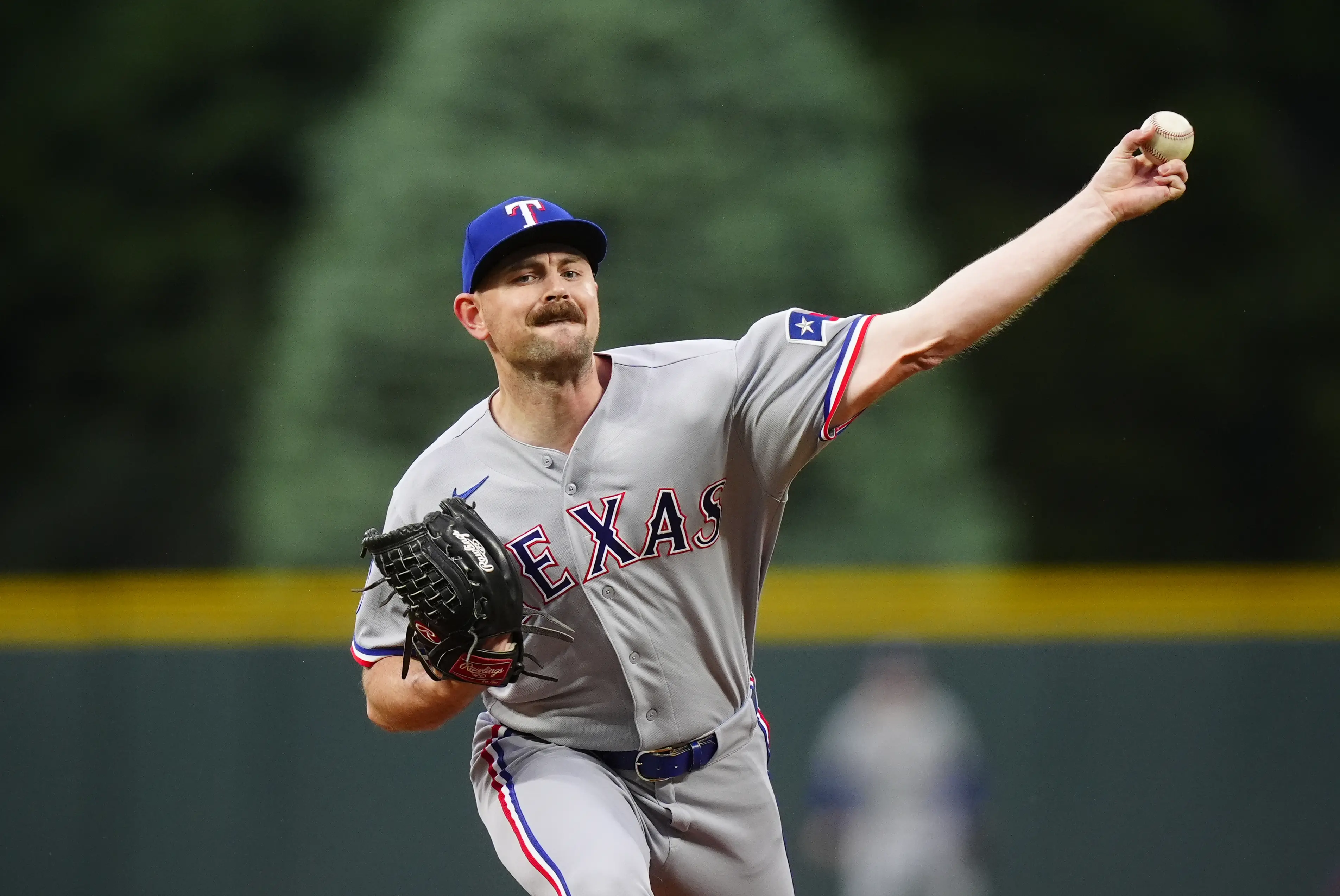
The Texas Rangers then signed the left-hander to a one-year deal valued just over $1.1 million. The long reliever has already pitched 23 innings this year, working to a 1.98 ERA, 3.05 FIP, and 1.26 WHIP. While his 19.6% K rate and 6.2% BB rate are major improvements over 2025, he has been even better at limiting hard contact. Alexander holds an 86.4 MPH exit velocity and 1.4% barrel rate. Additionally, it has helped that his ground ball rate has improved from 33.8% to 50.7%. So far, he has allowed just a single home run.
Paul Sewald
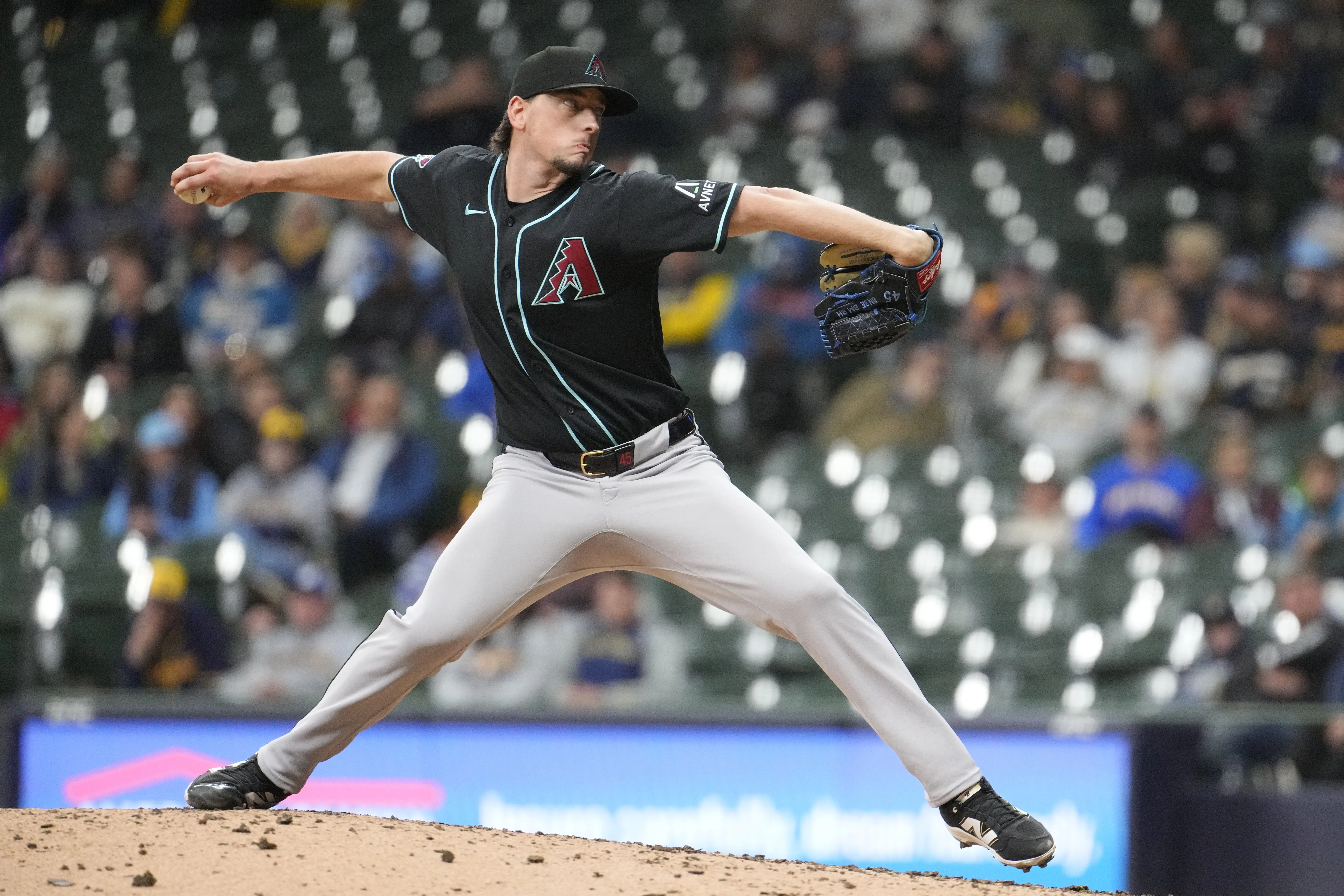
If the Pirates were going to spend $1.5 million on a reliever with injury risk, then they should have gotten one with a higher ceiling and more upside than Urquidy. Paul Sewald is a solid pitcher when healthy. However, he only pitched 59.2 innings in 2024 and 2025. While he had a quality 26.5% strikeout rate and 6.1% walk rate, Sewald was prone to home runs with a 1.52 HR/9 ratio. He also had an 11% barrel rate between these two years.
The Arizona Diamondbacks re-signed Sewald this offseason to a one-year contract at $1.5 million. In his first 18.1 innings, the veteran right-hander has a 3.93 ERA, 4.08 FIP, and 0.82 WHIP. He is getting plenty of K’s with a 29.6% K rate, and has carried a respectable 8.5% BB rate. Once again, home runs have been an issue, with a 1.47 HR/9 ratio and 11.6% barrel rate. Sewald has never been a ground ball pitcher, although it’s unlikely he’ll sustain a 9.5% GB rate over a larger sample size. He also has yet to allow a home run while pitching on the road, and has allowed just one over his last 17 appearances.
Taylor Clarke
Taylor Clarke mostly served as an up-and-down multi-inning reliever from 2019 through 2023. After spending all of 2024 at the Kansas City Royals’ Triple-A affiliate, the right-hander seemingly figured it out in 2025. In 55.1 innings, the right-hander put up a 3.25 ERA, 3.97 FIP, and 0.85 WHIP. His 4.4% BB rate was the fourth lowest of any qualified reliever last year. On top of that, his 21.4% K rate was only slightly below league average. Despite a solid 7.9% barrel rate, he also had an unimpressive 1.30 HR/9 ratio.
The Diamondbacks then signed Clarke for $1.55 million for one season, and it has been a great pickup for Arizona. His first 21.2 innings have yielded a strong 2.08 ERA, 3.56 FIP, and 0.74 WHIP. Clarke has only gotten 11.7% of opponents to strikeout; however, he has maintained an outstanding 3.7% walk rate. He also has a strong 85.7 MPH exit velocity, and has upped his ground ball percentage from 44.1% to 55.2% from last year to this year.
John King
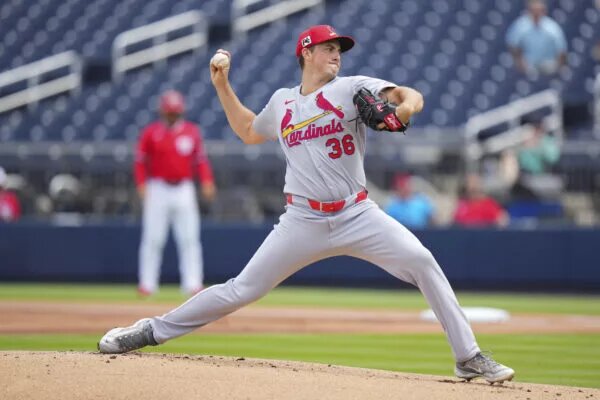
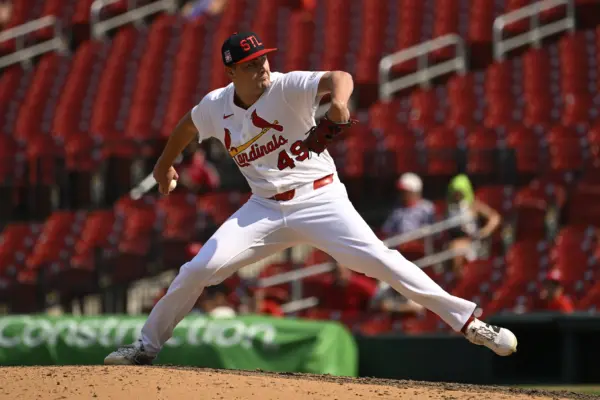
Like Alexander, John King’s 4.66 ERA and 12.6% K rate over 48.1 innings with the St. Louis Cardinals last year do not tell the whole story. King also owned a 6.3% walk rate and was snake-bitten by a 1.45 HR/9 ratio. The left-hander’s 59.2% ground ball rate and 5% barrel rate were about as good as his 2024 61.7% GB% and 6.2% barrel rate when he had a 0.75 HR/9. A 21.1% HR: FB ratio definitely shows where the issues stemmed from.
Despite his underwhelming 2025, he proved to be a solid reliever in the four seasons prior, and the Miami Marlins picked him up on a one-year contract at $1.5 million. King has rebounded from his down 2025, working to a 2.18 ERA, 4.08 FIP, and 0.68 WHIP. His 22.1% K rate is currently a career high, though his 9.1% walk rate is also a career high. His home run rate is down again to 0.87, thanks to an 88th percentile exit velocity (86.4 MPH) and a 69th percentile barrel rate (5.9%).
Main Photo Credit: Nathan Ray Seebeck-Imagn Images