
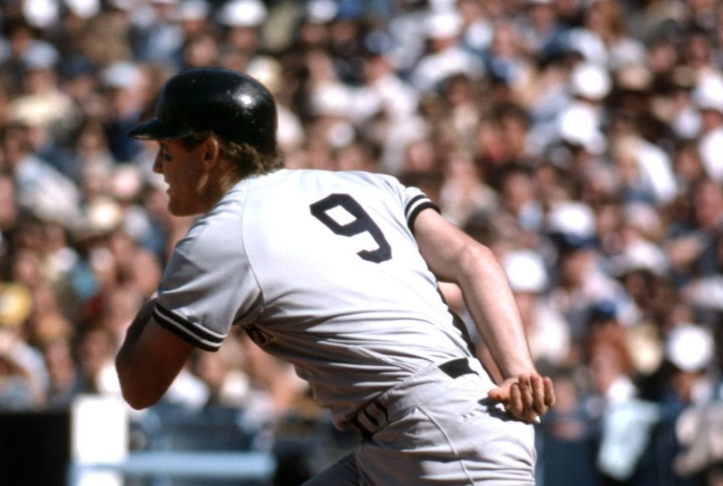

Third base has historically been one of the toughest positions for Hall of Fame recognition. Players at the position are often expected to provide elite offensive production while also handling one of the most demanding defensive roles on the diamond. For decades, that balancing act caused several complete, all-around third basemen to fall short in Hall of Fame voting.
The election of Scott Rolen to the National Baseball Hall of Fame and Museum helped reshape how baseball evaluates greatness at third base. Rolen’s induction validated the growing importance of defense, WAR, consistency, and complete player value rather than simply focusing on flashy offensive numbers.
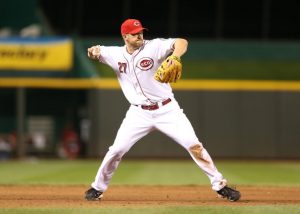
Rolen finished his career with:
- 316 home runs
- 2,077 hits
- 8 Gold Gloves
- 70.1 WAR
While he was never the most feared slugger of his generation, voters eventually recognized him as one of the greatest all-around third basemen in MLB history.
That shift in Hall of Fame thinking should reopen the Cooperstown conversation for several overlooked stars at the position.
Here are five third basemen whose Hall of Fame cases deserve serious reevaluation.
1. Ken Boyer
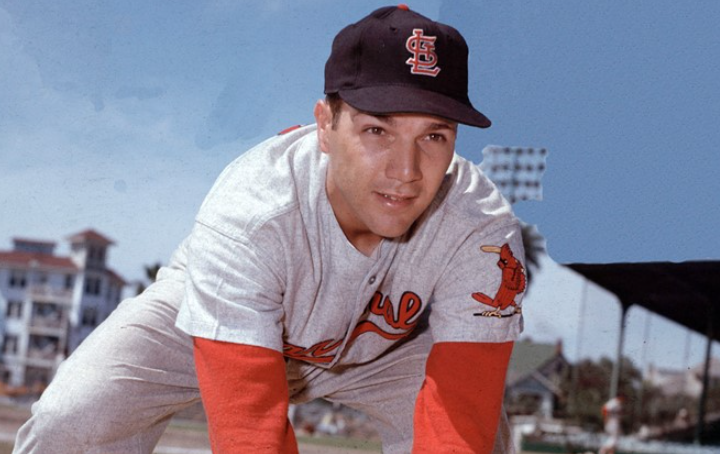
Ken Boyer may be the greatest Hall of Fame omission among historical third basemen. The longtime St. Louis Cardinals star was one of the National League’s defining players during the late 1950s and 1960s, combining power, leadership, defense, and consistency.
Boyer finished his career with:
- 2,143 hits
- 282 home runs
- 1,141 RBIs
- 62.8 WAR
- 7 All-Star appearances
- 5 Gold Gloves
- 1964 NL MVP Award
- 1964 World Series championship
Compared to Scott Rolen, Boyer’s résumé is remarkably similar. Both players built Hall-caliber value through elite two-way play rather than overwhelming offensive totals alone. Boyer’s ability to anchor both the lineup and the infield made him one of baseball’s most respected stars of his era.
Modern analytics have only strengthened his Cooperstown case over time, and many baseball historians now believe the Veterans Committee should eventually correct what feels like one of the Hall’s biggest oversights.
2. Aramis Ramirez
Aramis Ramirez was one of the most productive offensive third basemen of the 2000s, yet his Hall of Fame candidacy rarely gets the attention it deserves.
The former Chicago Cubs slugger quietly built an elite offensive résumé:
- 386 home runs
- 2,303 hits
- 1,417 RBIs
- .833 OPS
- 3 All-Star selections
- Silver Slugger Award
Ramirez was a consistent middle-of-the-order force for more than a decade and helped return the Cubs to national relevance during the mid-2000s. At his peak, he was one of the most dangerous right-handed hitters in the National League.
Compared to Rolen, Ramirez offered more offensive firepower but lacked the elite defensive reputation that ultimately pushed Rolen into Cooperstown. Still, as Hall voters continue evolving offensively-based standards from the steroid era, Ramirez’s numbers deserve far more appreciation than they currently receive.
3. Graig Nettles
Graig Nettles has one of the strongest Hall of Fame arguments of any eligible third baseman not already in Cooperstown.
The longtime New York Yankees star combined elite defense, power, durability, and postseason excellence throughout a career that spanned more than two decades.
Nettles finished with:
- 390 home runs
- 2,225 hits
- 1,314 RBIs
- 68 WAR
- 6 All-Star appearances
- 2 Gold Gloves
- 2 World Series championships
His defensive reputation at third base was exceptional, and many older baseball fans still consider him one of the greatest defensive third basemen they ever watched. Nettles also thrived under the pressure of New York during the Yankees’ championship years in the 1970s.
Compared to Scott Rolen, Nettles stacks up extremely well statistically. Their WAR totals are very close, and both players built enormous value through defense and longevity. In many ways, Rolen’s election should significantly strengthen Nettles’ Cooperstown case moving forward.
4. Robin Ventura
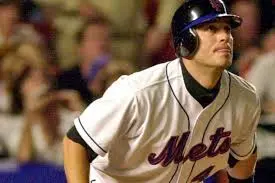
Robin Ventura may be one of the most underrated complete players of the 1990s and early 2000s. The former Chicago White Sox and New York Mets standout combined power, defense, consistency, and durability for nearly two decades.
Ventura finished with:
- 294 home runs
- 1,821 hits
- 1,182 RBIs
- 55.9 WAR
- 6 Gold Gloves
- 2 All-Star appearances
Like Rolen, Ventura’s value extended well beyond offense. He was one of the premier defensive third basemen of his era while remaining a reliable middle-of-the-order producer year after year.
Ventura’s candidacy suffered because he played during an era loaded with offensive superstars and rarely dominated headlines. However, modern baseball analysis increasingly appreciates complete players with strong two-way value, making Ventura a far stronger Hall candidate today than he appeared during his original ballot run.
5. Eric Chavez
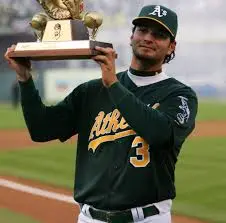
Eric Chavez represents one of baseball’s great “what if” Hall of Fame cases.
At his peak, the former Oakland Athletics star looked destined for Cooperstown. Chavez combined elite defense and middle-of-the-order power while serving as a cornerstone of Oakland’s famous “Moneyball” era teams during the early 2000s.
His résumé includes:
- 260 home runs
- 6 Gold Gloves
- Silver Slugger Award
- .818 OPS
Injuries unfortunately derailed Chavez’s career and shortened what appeared to be a Hall of Fame trajectory. Still, at his best, he was one of the most complete third basemen in baseball.
Compared to Scott Rolen, Chavez followed a very similar blueprint built around defense and power. The difference was longevity. Rolen sustained his greatness much longer, while injuries prevented Chavez from accumulating traditional Hall numbers.
Even so, Chavez’s peak years deserve much more historical appreciation than they often receive.
Scott Rolen Changed the Conversation
For years, third basemen were often judged too heavily on offensive totals alone. Players who built value through defense, consistency, leadership, and complete all-around excellence frequently fell short in Hall voting.
Scott Rolen’s induction helped modernize how baseball evaluates greatness at third base. His election validated the importance of WAR, elite defense, postseason value, and longevity at one of the sport’s toughest positions.
That same Hall of Fame logic should reopen Cooperstown discussions for Ken Boyer, Aramis Ramirez, Graig Nettles, Robin Ventura, and Eric Chavez. Whether through the Veterans Committee or the Contemporary Baseball Era Committee, all five deserve another serious look at baseball immortality.