

The World Baseball Classic is supposed to be baseball’s grand international showcase — a chance for the game’s biggest stars to wear their country’s name across their chest and compete for global pride. Yet as the 2026 WBC approaches, a troubling reality has emerged: some of Major League Baseball’s most recognizable players won’t be there, not because they don’t want to play, but because they’re not allowed to.
At the center of the issue is insurance — and it’s reshaping the tournament in ways baseball fans have never seen before.
The Insurance Rule That’s Changing Everything.
Under current MLB rules, any player on a 40-man roster must be fully insured to participate in the World Baseball Classic. That insurance protects MLB teams financially if a player is injured during the tournament and misses time — or an entire season — afterward.
Because MLB contracts are fully guaranteed, a single WBC injury could cost a team tens of millions of dollars. Without insurance, the team absorbs the full loss. As a result, if an insurance company refuses coverage, the player is effectively barred from playing.
That’s exactly what’s happening — and it’s already claimed some massive names.
Star Players Already Affected
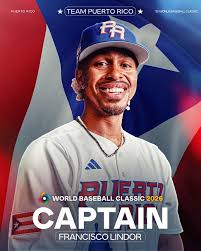
Francisco Lindor (Puerto Rico, New York Mets) was expected to be the face of Puerto Rico’s 2026 team. Instead, he was denied insurance coverage due to a recent offseason elbow procedure. Even though Lindor is projected to be fully healthy for Opening Day, insurers viewed the medical history as too risky — forcing him out of the WBC.
Carlos Correa (Puerto Rico, Houston Astros) is another major casualty. With a long-term, high-dollar contract and an injury history that concerns insurers, Correa was unable to secure coverage. That meant risking over $30 million in guaranteed salary — an impossible decision for both player and team.
José Altuve (Venezuela, Houston Astros), one of baseball’s most accomplished second basemen and a veteran of past WBCs, was also denied insurance. Despite his willingness to represent Venezuela again, the financial risk was deemed too great.

Miguel Rojas (Venezuela, Los Angeles Dodgers) reportedly lost coverage due to age-related insurance thresholds, costing him what may have been his final chance to play on baseball’s biggest international stage.
Other players, particularly pitchers with recent injuries or heavy workloads, remain in limbo as insurers continue to evaluate risk. The result is uncertainty across multiple national rosters — especially Puerto Rico and Venezuela.
Why Insurance Companies Are Saying No
From an insurer’s perspective, the WBC is a nightmare scenario:
-
The tournament occurs just before spring training intensity peaks
-
Players ramp up game speed earlier than usual
-
Pitchers face workload risks outside team-controlled plans
-
Recent surgeries or chronic injuries spike liability
The higher the player’s salary, the greater the exposure. That’s why stars — not fringe players — are being hit the hardest.
Why Lionel Messi Doesn’t Face This Problem
Fans naturally ask the obvious question: Why can Lionel Messi play for Argentina without issue?
The answer lies in structure. FIFA mandates that clubs release players for official international competitions. Even more importantly, FIFA operates a Club Protection Program, which compensates clubs if players are injured while representing their country.
The risk is centralized. Teams aren’t left scrambling for private insurers to approve individual players. International soccer is built around national competition — baseball, historically, is not.
Why Nikola Jokic Can Play for Serbia
Basketball operates with more flexibility. NBA teams and national federations typically negotiate international participation on a case-by-case basis. While insurance exists, it isn’t enforced through a rigid, league-wide requirement like MLB’s WBC policy.
There’s room for compromise. Baseball currently offers none.
A Bigger Problem for the WBC

This isn’t just about 2026. If insurance continues to dictate participation, the World Baseball Classic risks becoming a star-depleted tournament — decided not by talent or passion, but by underwriting decisions.
Until MLB or the WBC creates a centralized insurance solution similar to FIFA’s, elite players will continue to be sidelined despite wanting to represent their countries.
The Last Word
Francisco Lindor, Carlos Correa, José Altuve, and others aren’t missing the World Baseball Classic by choice. They’re missing it because insurance companies decided the risk wasn’t worth the reward — a reality Messi and Jokic simply don’t face.
And for a tournament built on global pride, that may be baseball’s toughest opponent yet.