

The Atlanta Falcons are starting over again. They did more than just change quarterbacks this offseason. They ran away from stability and opted for a shrug.
Perhaps that’s too harsh. Perhaps that’s exactly what happened.
A year ago the plan was obvious: Pay Kirk Cousins, plug him in, and let the offense work itself out later. It was the safe plan at the time. And there’s value in a safe starting quarterback. One bad decision can sink a whole season for a team when the starting quarterback isn’t locked in.
This year? There is no such safety net.
A quarterback competition in Atlanta
Instead, Atlanta enters 2026 with two highly different quarterback options on its hands, both posing significant risks.
Michael Penix Jr. is the gamble. Big arm, eye-popping plays that raise your eyebrows, and all of the tools you need to believe there can be something real built. However, his availability for a full season is in question. Coming off ACL surgery and with past shoulder and knee injuries, who knows if he’ll even be ready for Week 1. If he is, can he actually stay on the field, not to mention be consistent, out of the gate?
Then there’s Tua Tagovailoa. With Tua you probably have a good idea of what you’re going to get from him, as long as he’s on the field. Quick decisions, accuracy, and streaky success. There are moments where looks like the perfect NFL quarterback, but the downside is that doesn’t always happen. Injuries follow Tua everywhere and this is one that is not going away.
Atlanta Falcons are starting over again: there is no longer a security blanket
Most teams, with one of the two options above would at least have the other option as their security blanket. Atlanta no longer has this luxury. There is no depth here with these two players; they are essentially two chances to succeed at the same position.
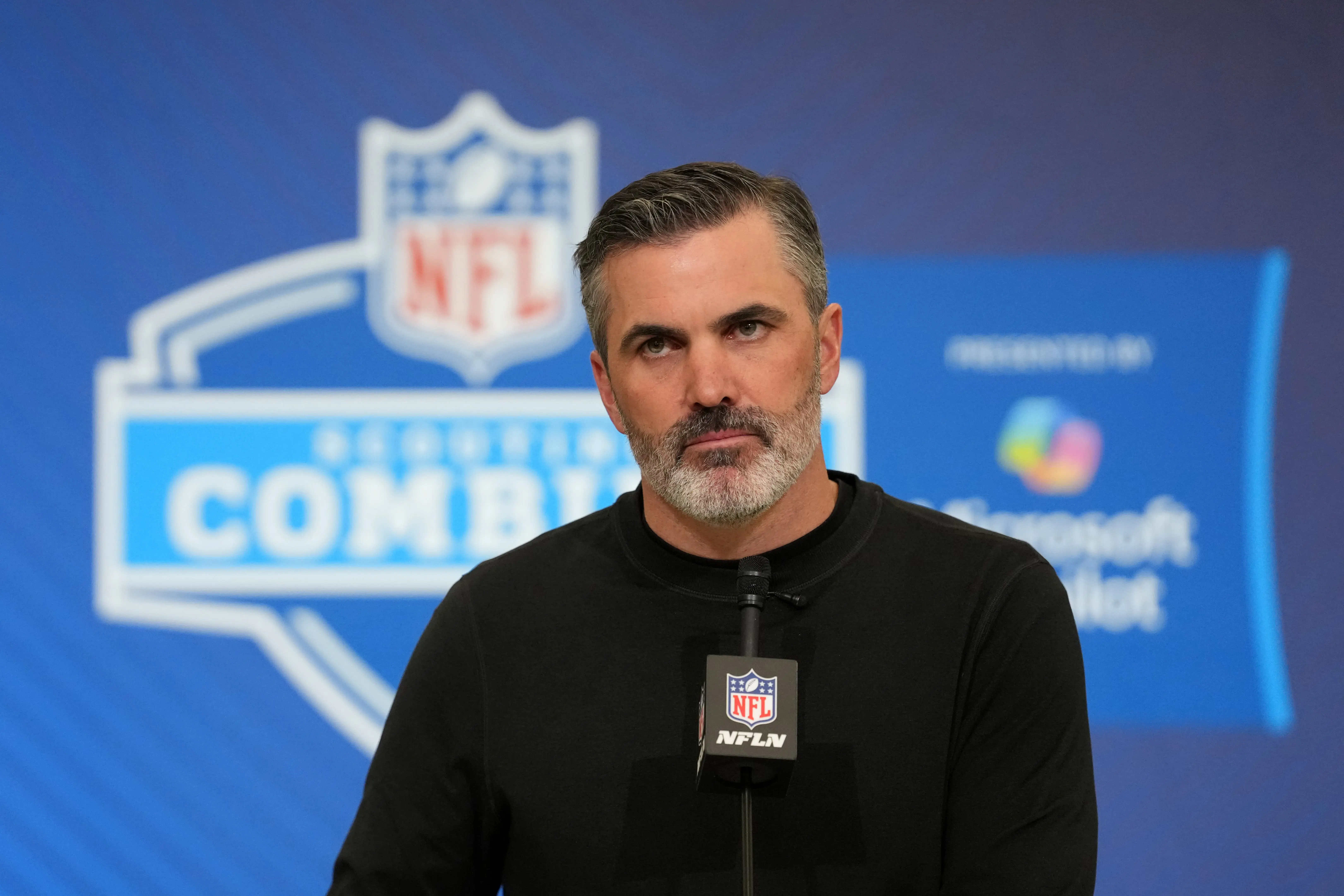
New Falcons head coach Kevin Stefanski has no ties to either player. There is no allegiance to Penix who he did not draft, and no loyalty to Cousins who he let walk. When he came in he simply embraced the current roster and decided to work with what they had. That says a lot about how these two guys will compete and how they’ll be used:
If Penix isn’t ready then they won’t wait for him.
If Tua has a few rough games, they’ll likely move on.
If neither of them is successful, there’s absolutely no way anyone can say that this is a good plan anymore.
And that’s the part that nobody is address right now. It is not about finding the long-term solution to quarterback position in Atlanta. This is simply about trying not to completely fail at the quarterback position this season.
Quarterback instability wreaks havoc on the season
Quarterback instability doesn’t stay confined to the quarterback room. It spills over into the offense, into the locker room, into the games they play, into everything else around it. Suddenly every single play is about managing risk and avoiding disaster. It leads to conservatism and plays where the team is simply trying not to lose, instead of trying to win.
You can go two or three games with that approach. Stretch it over an entire season and it’s a losing proposition.
Atlanta is trying to thread that needle. They hope Penix comes back and is able to hold his own, and hoping that Tua is finally healthy and a legitimate starting quarterback.
If not, they will have another season where it all comes crashing down the way it usually does when the most important position on the field is not firmly locked down.
One injury or one mistake and the whole thing can unravel.
The Atlanta Falcons are starting over again without their safety net. And if they fall the wrong way, the Falcons will be asking themselves questions about the quarterback position again next offseason. But this time with a whole lot more criticism about why this was ever the plan in the first place.