
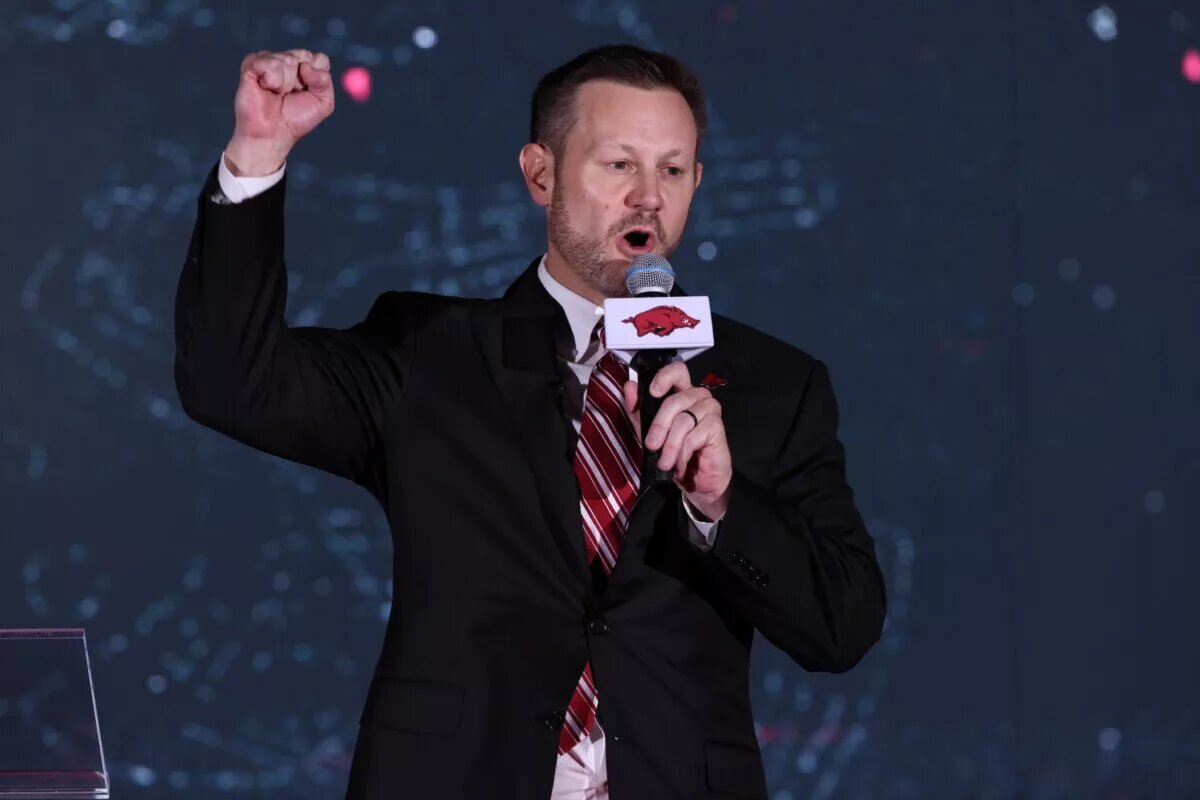

Arkansas did not just tweak NIL. It grabbed the wheel and yanked. We have to ask what comes next and if Arkansas saved its NIL. The university has dragged name, image, and likeness inside the athletic department and branded the operation as the Arkansas Front Office. That group now runs NIL strategy and sits at the center of every serious conversation about paying Razorback athletes. Learfield and the new NIL marketplace partnership plug into that system, giving companies and donors a single, coordinated entry point instead of a maze of collectives and middlemen.
Did Arkansas Just Save NIL?
Arkansas Goes All-In On An NIL Power Grab
The old Arkansas NIL world was messy and fragile. Third‑party operators tried to run the show. Donors were pulled in different directions and never really knew which group to trust. Coaches were stuck in the middle, trying to help without crossing compliance lines. It always felt like the program was one bad story away from a blow‑up.
Centralizing NIL is a full reset for the school. The school shut down the old collective model and brought the strategy in‑house. Instead of pointing people to an outside entity, Arkansas built the Front Office and put it under the athletic department umbrella. Now, when a brand wants to work with Razorback athletes, it deals with a single operation and a consistent message.
In theory, this simplifies everything. A business calls one office. The Front Office identifies athletes, handles paperwork, and pushes deals through a unified system. Fans and donors can support individuals or teams through a single platform rather than choosing between competing collectives.
But NIL moves fast. If that central office becomes slow, cautious, or tangled in its own process, the same structure that promises order can quietly strangle opportunity.
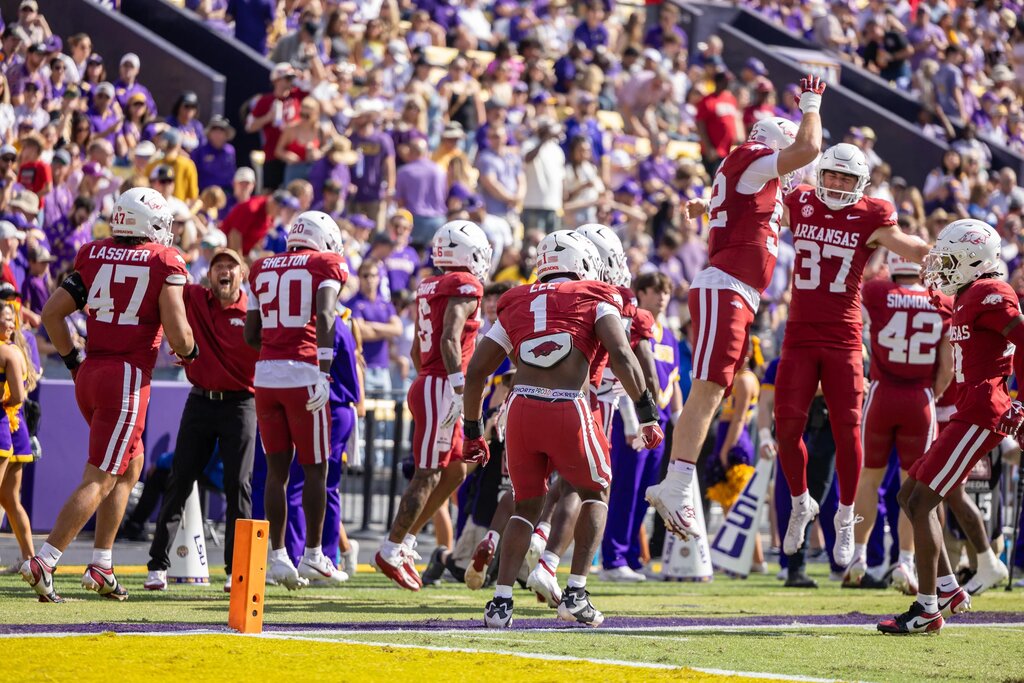
From Chaos To Control…Or Just A New Kind Of Chaos?
Centralization sounds great in a press release. On the recruiting trail, it is only as good as its speed. The optimistic view is obvious. Arkansas now has one brand, one message, and one NIL “ecosystem” that promises real money and clear guardrails. Deals no longer have to be stitched together by a position coach and a friendly booster. They can be packaged, priced, and delivered through a professional system that brands and families can understand.
That matters in living rooms. Recruits and parents want more than vague assurances. They want to hear about a plan that will remain in place if a coach leaves or a coordinator moves on. The Front Office gives Arkansas a way to say this is not just a handshake agreement. This is infrastructure.
The downside is more subtle. Every extra approval step can slow a deal. Every compliance review can push a conversation past its expiration date. NIL battles are often decided by who can make a clear, competitive offer the fastest. If the Front Office becomes a place where ideas stall in meetings and emails, Arkansas will lose out to schools that appear less polished on paper but move more quickly in practice.
Right now, the system is young enough to become either a launchpad or an anchor.
Silverfield’s First Class: Proof or Mirage?
If you want early evidence of what this new setup can do, look at Ryan Silverfield’s first recruiting class. When Silverfield arrived from Memphis, Arkansas’ 2026 class was in free fall. The ranking sat deep in the 80s nationally with only one headlining talent on the board. The class was on track to be one of the weakest high school hauls the program had seen in years.
Then everything changed in a matter of weeks. Silverfield and his staff attacked the board and the state. They focused on in-state and nearby targets, rebuilt relationships, and leaned on a clear NIL story in their pitch. By the end of the cycle, Arkansas had climbed into the high‑30s nationally, with more than twenty signees and a core of four‑star players to build around.
Most importantly, the Razorbacks protected their own backyard. They landed key in‑state prospects on the lines and at the skill positions, the kind of players who had begun to drift away too often. That sends a message that Arkansas is not surrendering its home turf or its future.
You do not pull off that kind of rescue job without a believable NIL plan. Families want to know there is structure, not chaos. The centralized setup gave Silverfield something concrete to sell: a program where football, the athletic department, and the NIL operation are actually on the same page.
Was the new class elite by SEC standards? No. It still trails the league’s top tier. But Arkansas climbed out of the cellar and back into the national middle class in one cycle. That suggests the centralized NIL push helped more than it hurt. The real test will be whether this was a one‑time jolt from a new coach or a sign that the system can sustain this level of recruiting every year.
Alignment or Anchor? What is Really At Stake
So will NIL centralization finally align Arkansas football with modern realities, or did the Razorbacks just build the nicest bottleneck in the conference? On the positive side, Arkansas now looks like a school that understands the moment. It has killed the old collective model, built an in‑house NIL operation, and paired it with a marketplace and media partner that can bring real money and real brands to the table. It has also hired a coach who has already shown he can use that setup to rescue a cratering recruiting class.
On the downside, any slowdown or hesitation within that system will show up quickly. Recruits will notice if numbers are fuzzy or late. Businesses will move on if deals take too long. Fans will see other SEC programs land impact players and ask why “alignment” in Fayetteville isn’t translating into wins.
NIL centralization has given Arkansas football the tools to act like a serious SEC contender again. Whether it becomes a weapon or a weight now depends on how hard and how fast Silverfield and the Arkansas Front Office are willing to push it.
Main Image: Nelson Chenault-Imagn Images