
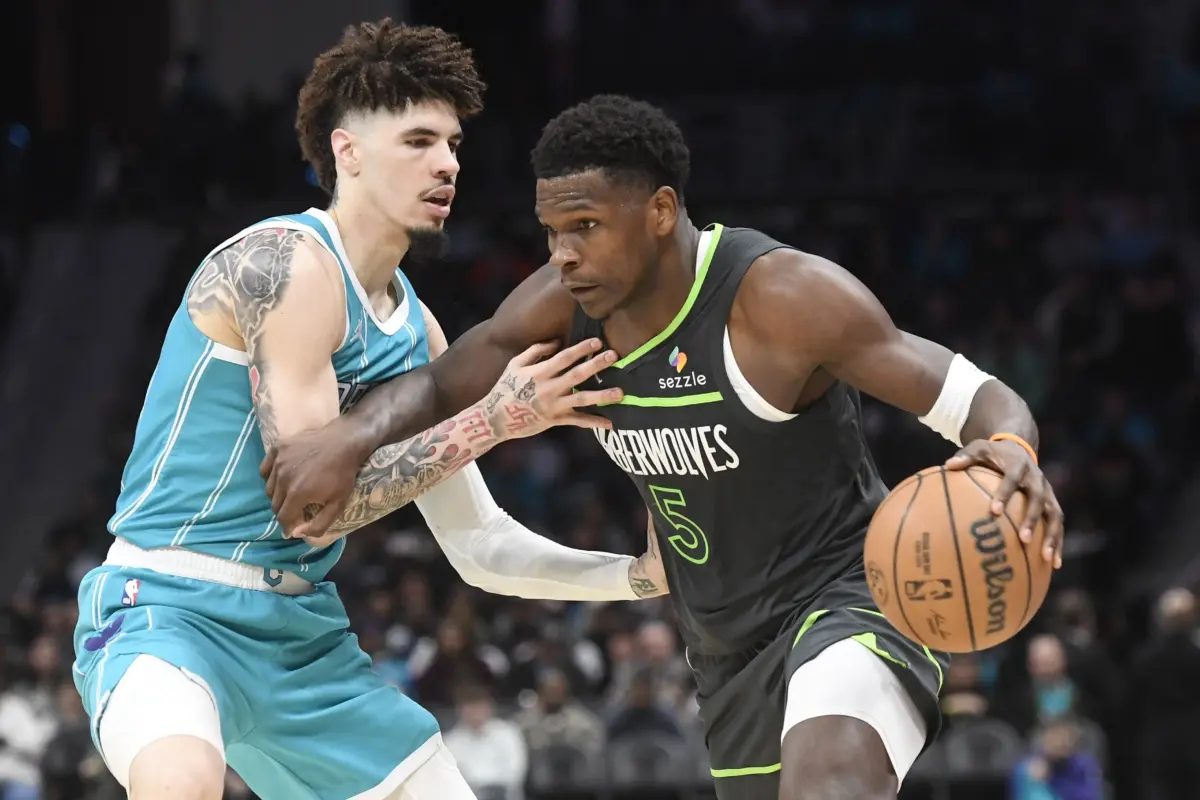

The trade bringing LaMelo Ball to the Timberwolves was finalized three weeks ago, but his friendship with Anthony Edwards started long before that. Recently at Fanatics Fest, Edwards shared that Ball had just spent two days at his house. They talked basketball and discussed cutting back on postgame profanity. Edwards is now flying back to Minnesota to keep that conversation going.
Why Anthony Edwards, LaMelo Ball Could Change Timberwolves’ Ceiling
How Far Back This Goes
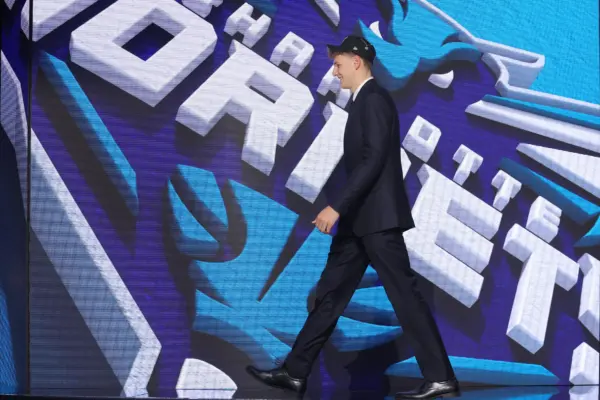
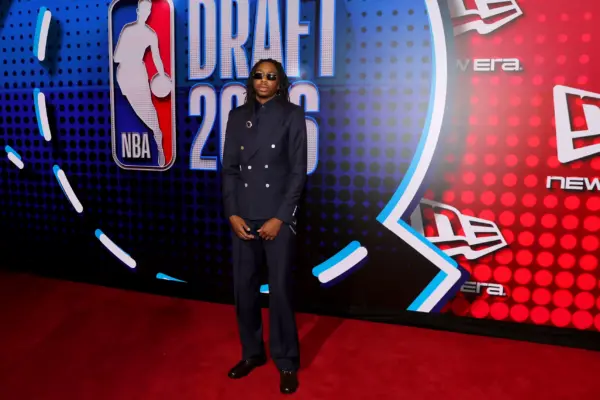
Selected first and third in the 2020 NBA Draft, Edwards and Ball have admired each other’s games since pre-draft workouts. That early connection lasted through six seasons apart. During that time, Minnesota struggled to find a reliable primary ball-handler next to Edwards.
At Fanatics Fest, Edwards compared the NBA to the AAU circuit’s close-knit feel, saying that locker room chemistry helps shape championship teams. That idea matters more now. After six seasons of carrying the playmaking load alone, Edwards isn’t just getting an elite point guard; he is getting a close friend, which should help the roster fit together more quickly.
What Minnesota Gave Up for LaMelo Ball
The Ball trade cost the Timberwolves forward Naz Reid, an unprotected 2033 first-round pick, three first-round pick swaps, and three second-round picks. Josh Green came back as a rotational piece.
Reid stretched the floor from the center spot as the bench scorer. The longer-term cost is the equivalent of four first-round picks, making every roster move, including the Ayo Dosunmu decision, even more important. Minnesota bet the back end of its window on Ball’s fit with Anthony Edwards.
The Julius Randle Move That Cleared Path
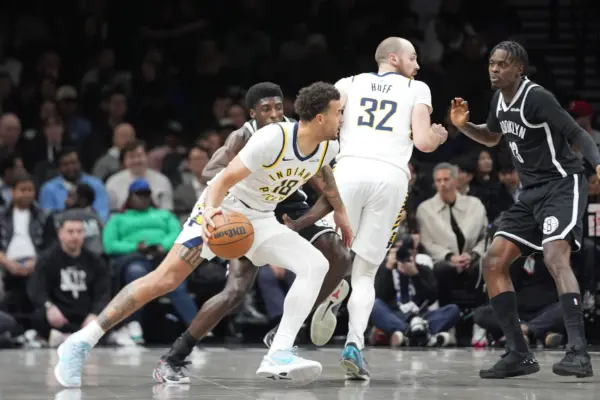
Before the Ball deal, Minnesota traded Julius Randle to Brooklyn in a June three-team transaction that returned the No. 33 pick. Last season, Randle was Edwards’ primary relief valve against aggressive defenses, averaging 21.1 points, 6.7 rebounds, and 5.0 assists as the second offensive option.
Ball is expected to fill that vacuum, though the dynamic changes completely. While Randle generated offense with his back to the basket, Ball operates on the move with the ball in his hands. This shift forces Edwards to adapt to playing off the ball more than ever before.
Numbers Anthony Edwards Posted Without Real Point Guard
Across 61 regular-season games, Anthony Edwards anchored the offense by averaging a career-high 28.8 points (third in the NBA), shooting 48.9 percent from the floor, and hitting 39.9 percent from three. He supplemented that historic scoring with 5.0 rebounds and 3.7 assists per game.
While the massive scoring leap grabbed headlines, his playmaking numbers tell a different story. His 3.7 assists per game have stalled near his rookie average, exposing a glaring limitation for a primary initiator. Up to this point, Edwards has simply never shared a backcourt with a dynamic lead guard capable of running the offense without him.
Why LaMelo Ball Is Specific Answer
Ball was the engine of Charlotte’s offense last season. At his introductory press conference, he kept the answer short.
“I’ve known Ant for a minute,” Ball said. “We’ve been talking, everybody excited, we ready to get to work.”
LaMelo Ball on playing with Anthony Edwards pic.twitter.com/7RieziNFBH
— SneakerReporter (@SneakerReporter) July 14, 2026
This is the on-court solution the front office envisioned. Ball frees Edwards from some of the playmaking duties, allowing Edwards to work as a scorer who can create his own shots. With less ball-handling responsibility, Edwards can get more catch-and-shoot threes, attack open lanes and push in transition. Their early-summer workouts at Edwards’ house are the off-court base for this partnership.
What Chris Finch Is Already Seeing
Head coach Chris Finch told Chris Hine of the Star Tribune that Edwards has been “engaged in a way like I’ve not seen.” Finch attributed it to the Ball trade and to a broader maturation, calling Edwards “far more engaged in the overall sport.”
Minnesota went 49-33 last season and lost to Victor Wembanyama and the Spurs in the second round. This exposed the roster’s biggest weakness after back-to-back Western Conference Finals appearances. The Ball trade is the front office’s acknowledgment that the roster had stalled one round short of where it should be. He is 24. Ball is 24. The two days at the house are the start of the answer.
Photo Credit: Sam Sharpe, Imagn Images via Imagn Images