
The Minnesota Timberwolves spent years searching for a roster capable of competing for a championship. They finally found one around Anthony Edwards. That success created a new challenge. Payroll is climbing, second-apron concerns are growing, and keeping the roster together is becoming increasingly expensive.
Yet Minnesota’s biggest mistake would be treating financial pressure as a reason to break apart a proven contender.
Why Timberwolves Must Ignore Cost of Contention
Tim Connelly Already Made His Bet
Team president Tim Connelly did not build this roster through cautious decisions. The Timberwolves pushed chips to the center of the table when they acquired Rudy Gobert and later reshaped the roster by moving Karl-Anthony Towns.
Those moves reduced flexibility but helped produce results. Minnesota has reached consecutive Western Conference Finals, validating the organization’s willingness to sacrifice future assets for immediate contention.
The Timberwolves Finally Have Their Answer
For years, the central question surrounding Minnesota was whether Edwards could lead a team deep into the postseason. That question has largely been answered. Consecutive conference finals appearances moved the Timberwolves from a team built on potential to one facing championship expectations.
That distinction matters because contenders are difficult to build. Many franchises spend years accumulating draft picks and preserving cap space without ever assembling a core capable of competing at the highest level. Minnesota already has one.
Why the Second Apron Creates Pressure
The NBA’s second apron imposes significant restrictions on roster construction. Teams above the threshold face limitations in trades and player acquisition, making it harder to improve around the margins.
Minnesota’s payroll reflects its investment in winning. Edwards, Gobert, Jaden McDaniels, Naz Reid, and Julius Randle all occupy significant portions of the salary cap. Last summer, Reid signed a five-year, $125 million contract, while Randle agreed to a three-year, $100 million extension.
Those commitments increase financial pressure, but they also reflect the cost of retaining productive players.
Anthony Edwards Changes the Equation
Every major decision should begin with Edwards. The franchise star is entering the years that will define Minnesota’s championship window. His value is maximized when surrounded by enough talent to compete for titles, especially as Minnesota continues trying to solve its biggest problem around him.
This financial choice is hard. Having extra money is helpful, but keeping players who already win games is also important.
Gobert keeps the inside defense strong while McDaniels blocks the best players on the outside. Therefore, Reid has more freedom to help the team score and create space on the court. Together, they form the core of a team whose offensive questions remain just as important as its defensive strengths.
Reducing payroll may create future flexibility, but it could also weaken the roster around the player the franchise is building everything around.
Breaking Up the Core Carries Risk
Replacing productive players is rarely simple. Teams often assume they can find cheaper alternatives, but production, chemistry, and fit are difficult to replicate.
Minnesota spent years constructing a roster that complements Edwards. Those decisions have led directly to what may be the franchise’s biggest summer since selecting him first overall. There is no guarantee the organization could recreate the same formula after voluntarily dismantling it.
The challenge is already visible. Nickeil Alexander-Walker may depart because retaining every contributor becomes increasingly difficult under the current financial system. Losing depth is one thing. Losing foundational pieces is another.
The Cost of Contention Is Still Cheaper Than Starting Over
Championship windows rarely remain open indefinitely. When a franchise finds one, the priority becomes maximizing it.
The Timberwolves already paid the acquisition cost. They absorbed criticism after major trades and invested heavily in a roster that has reached consecutive conference finals.
Now comes the expensive part. The second apron creates restrictions and difficult decisions, but those challenges exist because Minnesota has assembled a team worth keeping together.
The Timberwolves spent years building a contender. Breaking apart that contender primarily to reduce costs would introduce a greater competitive risk than paying the price of contention.
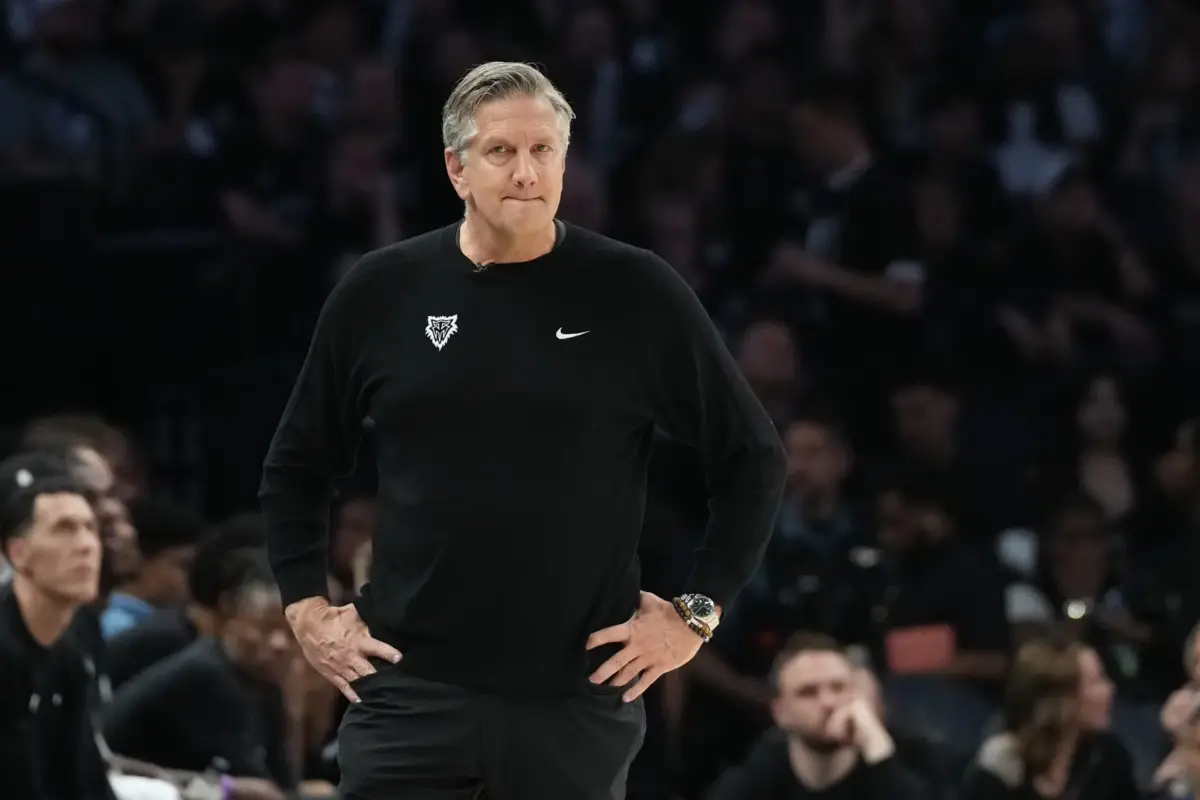
© Jesse Johnson-Imagn Images