

The Timberwolves spent years trying to become contenders. After finally reaching that level, the challenge is staying there, making this summer feel very different from past ones.
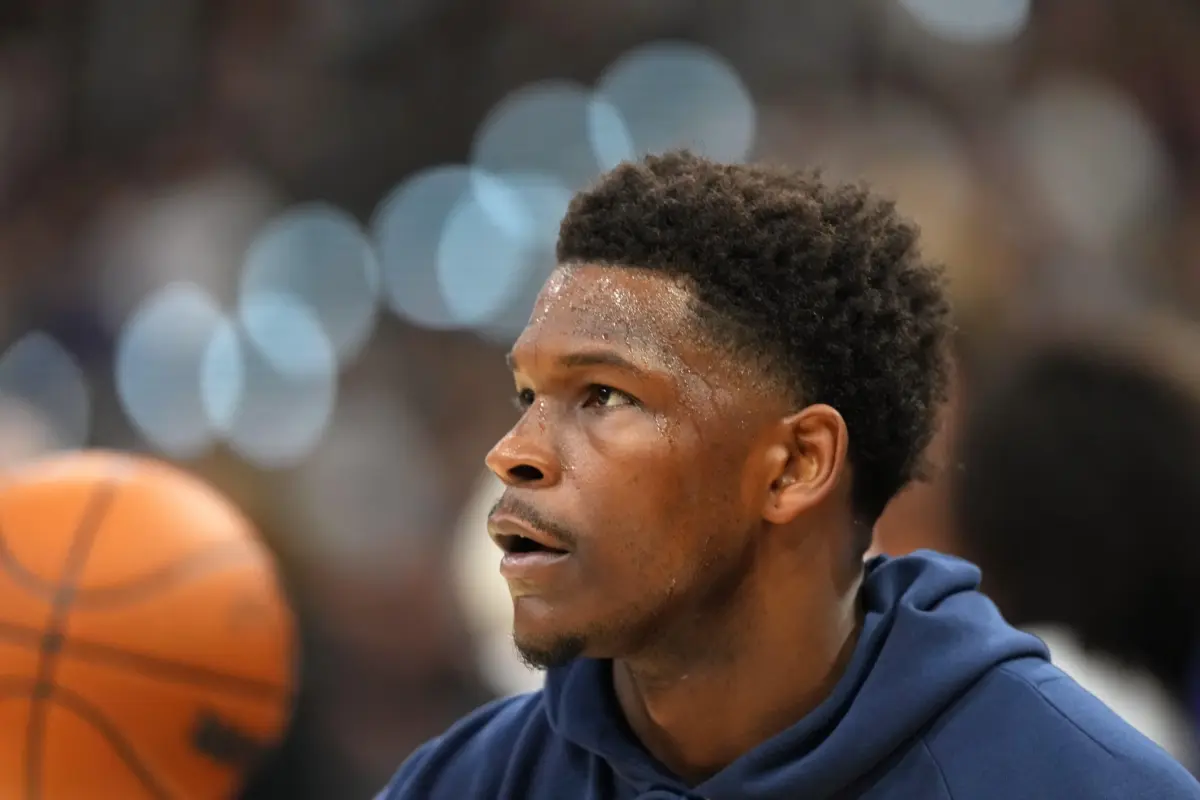
Anthony Edwards is no longer a young star with unlimited time. Heading into his seventh NBA season, he is already the guy driving every major decision the Timberwolves make. As the face and cornerstone of the team, his stardom changes how every move is judged.
Timberwolves Enter Biggest Summer Since Drafting Anthony Edwards
Anthony Edwards Changed the Timeline
When the Timberwolves first drafted Edwards, the team was just desperately searching for hope. Back then, making mistakes did not hurt as much because the franchise was still building a foundation.
Developing young talent mattered more than winning right away. Every season was about the long-term future because Minnesota was not a real threat. The focus was on growth, and patience was part of the process.
That reality no longer exists. Edwards has developed into one of the league’s most important young stars. He averaged 28.8 points per game during the 2025-26 season, a level of production that helped change expectations across the franchise.
Edwards’ rise accelerated Minnesota’s timeline. The Timberwolves are no longer building toward contention. After consecutive trips to the Western Conference Finals, the focus has shifted to finding the upgrades needed to push a proven contender closer to a championship.
Recent Success Created New Pressure
The Timberwolves spent decades trying to stay relevant, but they have finally established themselves as one of the best teams in the West. Following a dominant 56-26 run in the 2023-24 regular season, Minnesota proved it belonged by reaching the Western Conference Finals in back-to-back years, a franchise first.
That historic season featured Rudy Gobert winning Defensive Player of the Year and Naz Reid taking Sixth Man of the Year honors. Stars Edwards and Karl-Anthony Towns earned All-Star selections, anchoring the league’s most well-rounded roster.
Back-to-back trips to the Western Conference Finals answered one question and created another. Minnesota already knows this core can compete with the best teams in the league. The bigger question now is whether the roster has enough offense, depth and flexibility to get through the final rounds of the playoffs.
That is the difficult position president Tim Connelly now faces. Minnesota has invested heavily in its core, leaving limited room for major changes. Any move this summer has to improve the roster without creating new weaknesses elsewhere.
Minnesota’s challenge is improving around the edges without disrupting the core that carried the franchise to consecutive conference finals. The roster is expensive, flexibility is limited and meaningful upgrades will not be easy to find.
Timberwolves Face Smaller Margin for Error
Gobert remains one of the league’s most impactful defenders and a central piece of the roster Minnesota built around Edwards during its rise into contention. Despite recurring trade speculation, there are strong reasons the Timberwolves should be cautious about moving the three-time All-Star, especially given his importance to the team’s defensive identity. Jaden McDaniels, Reid and several other contributors have helped create a roster capable of competing with the best teams in the conference.
That is why this offseason is so important. The Timberwolves are playing in a conference packed with aggressive rivals, and staying put means falling behind. As other teams get better, Minnesota has to do the same. This task is even harder because they must improve while working with a much tighter budget than they had when they first became contenders.
Nearly every decision Minnesota makes this summer connects back to Edwards. The front office must decide which players fit best around its franchise star and which areas of the roster still need help. Those choices will shape not only next season but the next several years of Edwards’ prime.
Minnesota Must Deliver More
The next few months will force Minnesota into some really tough choices. Some will involve the roster, while others will come down to money and long-term priorities. These decisions matter way more than they did in past summers, given where the team sits now. The Timberwolves are no longer trying to become a contender, they are trying to cash in on being one.
The tricky part for Minnesota is that there is no clear playbook for what comes next. The Timberwolves are already good enough to make deep playoff runs, so making major changes is incredibly risky. Still, staying exactly the same is just as dangerous because the rest of the conference keeps getting better. The front office has to walk a fine line between keeping a winning team together and upgrading it.
Minnesota already knows its core can reach the final stages of the playoffs. The challenge this summer is deciding whether continuity is enough or whether targeted changes are needed to close the gap between contention and a championship.
© Scott Wachter-Imagn Images