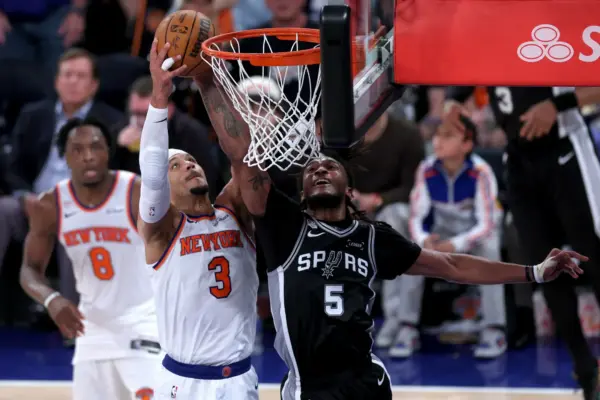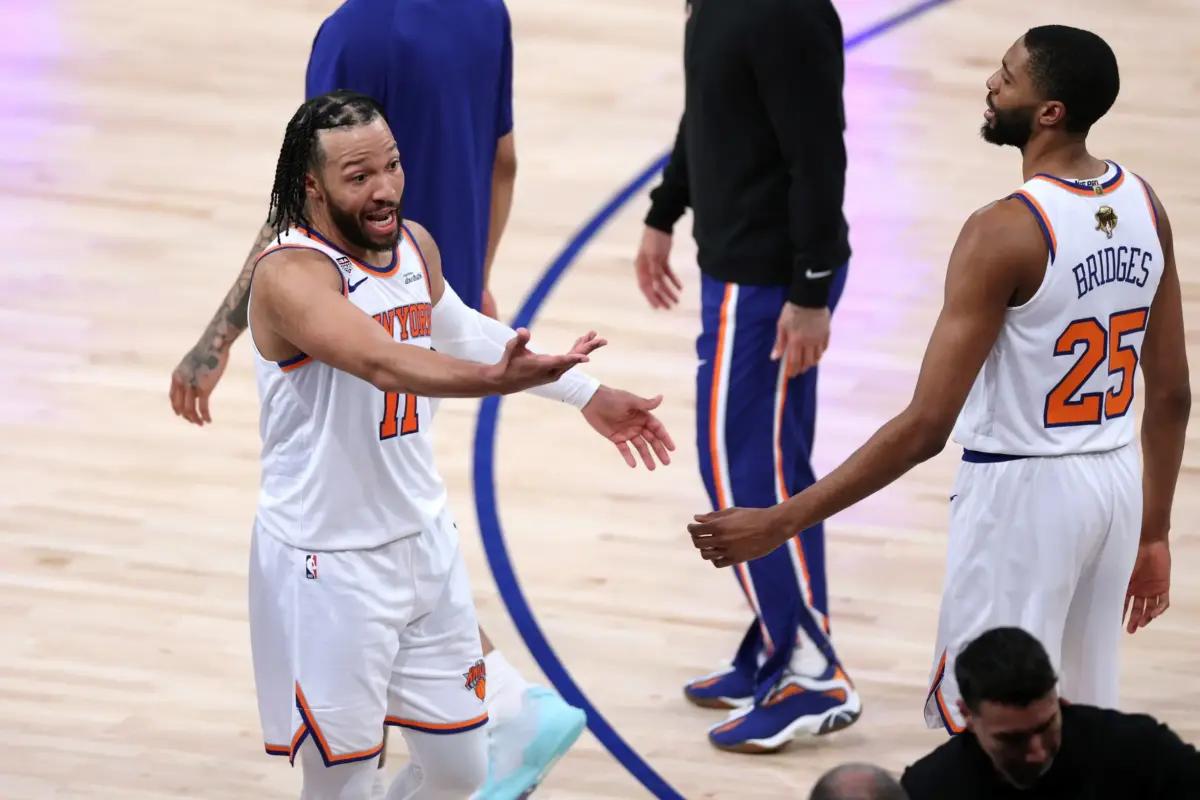
NEW YORK — Discovering how the Knicks bounce back in Game 4 is a matter of schematic survival following a frustrating 115-111 second-half collapse to the San Antonio Spurs where New York’s ball movement completely frozen up. The loud celebratory party inside Madison Square Garden was cut abruptly short on Monday night, replacing happy championship dreams with a harsh dose of reality. The New York Knicks still hold a 2-1 lead in the 2026 NBA Finals, but head coach Mike Brown is officially facing a major offensive identity crisis. Following a frustrating 115-111 second-half collapse to the San Antonio Spurs where New York’s ball movement completely frozen up.
X’s And O’s Corner: How The Knicks Bounce Back In Game 4
After being limited to just 20 points in the fourth quarter and shooting an abysmal 28.6 percent from the field, the Knicks unsurprisingly lost the contest. The primary issue wasn’t just a lack of effort; it was a total departure from the team-first formula that made them look unstoppable. If New York wants to prevent the Spurs from leveling the series, they must immediately solve the tactical traps that turned their fluid offense into a stagnant mess.
The Shot Clock Trap and the Isolation Freeze
A closer look at the box score reveals why the offense ground to a halt. Jalen Brunson finished with a joint-best 32 points on Monday night, but a deeper look at his numbers indicates a more compelling story. He attempted 25 field goals, nearly twice as many as the next-highest Knicks player, despite shooting just 44 percent from the field. Brunson also committed five turnovers in a contest where the entire Spurs team combined for eight.
Spurs head coach Mitch Johnson deployed a brilliant defensive game plan, ordering his guards to pick up Jalen Brunson from 90 feet away from the basket. This full-court pressure forced the Knicks to waste 10 seconds or more off the shot clock just getting into position, leaving them with very little time to run their actual plays.
When the Knicks came out in the second half holding a seven-point advantage, Brunson looked far from his usual best, adding only five more points to his name on 2-of-7 shooting. Then, in the fourth quarter, he did score 12 of the home team’s 20 points but failed to involve his teammates. However, placing all the blame on Brunson would be wrong. The supporting cast failed to provide much help either, completely freezing up when the ball did swing their way.
A Disappearing Supporting Cast
By all conventional means, the balanced scoring formula that carried New York all season disappeared in Game 3. The surrounding pieces simply could not buy a bucket or create advantages against San Antonio’s length:
Karl-Anthony Towns, who averaged 13.8 field goal attempts per contest, took just 10 shots in Game 3 and finished the night with a quiet 11 points. Mikal Bridges got into foul trouble early on, finishing with just two points in 28 minutes of action. Off the bench, Landry Shamet struggled heavily to find his rhythm, shooting an icy 1-of-8 from the field.
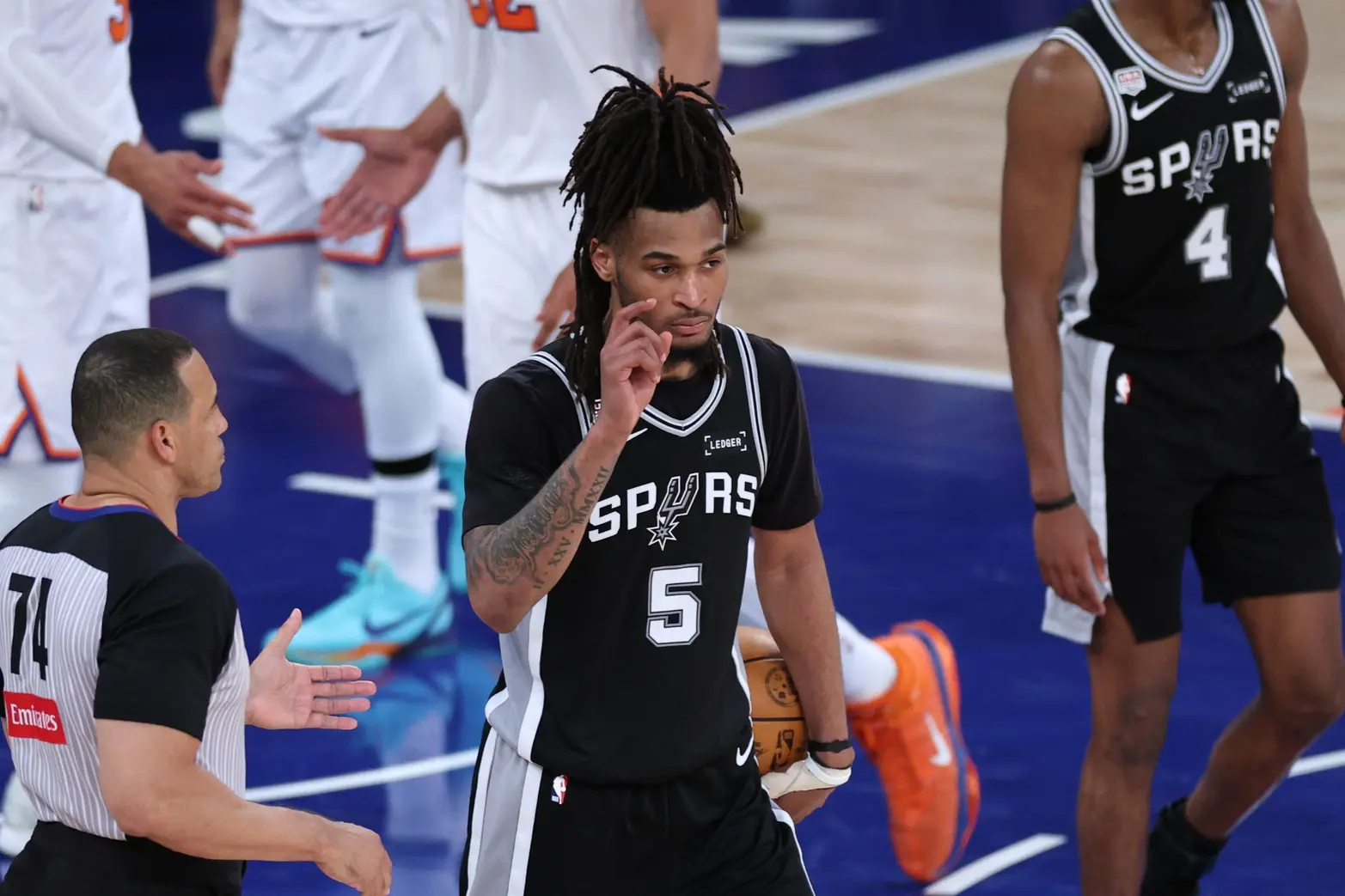
With the Knicks’ offense turning entirely into a one-man show, the Spurs had more than enough firepower to punish them on the other end. Victor Wembanyama’s Game 3 dominance took center stage as the superstar big man dropped 32 points. At the same time, the spectacular Stephon Castle provided a massive 23-point performance. Even with Dylan Harper struggling to be efficient off the bench, the other three Spurs starters combined for 35 points to ultimately steal a win on the road.
The Fast Adjustments Needed for Wednesday Night
To ensure the Knicks bounce back in Game 4, the upcoming film sessions and offensive re-tooling must target how New York enters their sets.
First, the Knicks must utilize secondary ball-handlers like Mikal Bridges and Josh Hart to bring the ball up the floor. By relieving Brunson of full-court pressure, New York can save precious seconds on the shot clock and prevent the offense from starting deep into the possession. Second, Karl-Anthony Towns must be aggressively featured early in possessions to draw Wembanyama away from the rim, opening up driving lanes and restoring the inside-out ball movement.
The Knicks are still standing in the driver’s seat of this championship series, but Mitch Johnson’s tactical masterpiece proved that stagnation is lethal. If New York wants to protect home court, they have to stop playing into San Antonio’s hands and return to the ball-dominant chemistry that made them unstoppable.
Credit:© Vincent Carchietta-Imagn Images