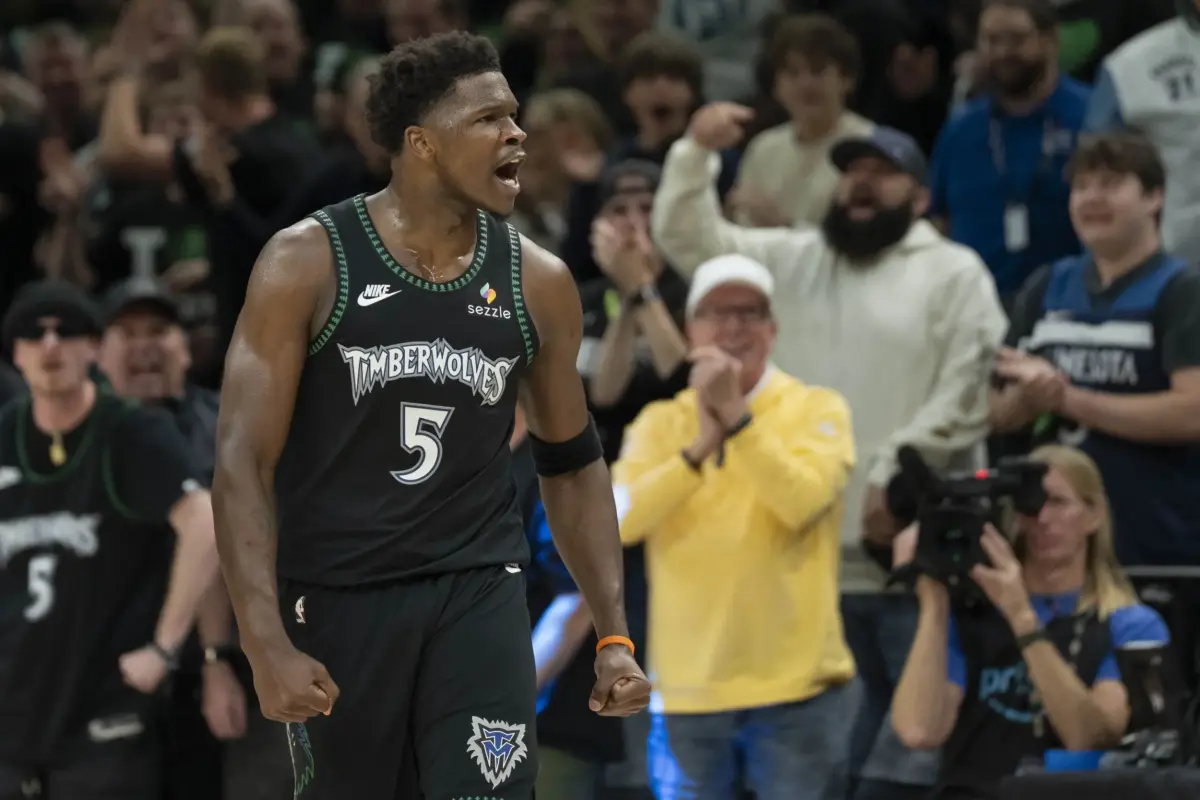

The Minnesota Timberwolves have answered many of the questions that once surrounded their roster. Anthony Edwards has grown into the franchise cornerstone, and Minnesota has established itself as a consistent contender in the Western Conference. As a result, the conversation around the roster has become more specific. The focus is no longer on finding a star. It is about finding the right pieces around the one already in place.
One position still stands out. Mike Conley remains a valuable veteran, but he will turn 39 before next season begins. Minnesota’s long-term outlook at point guard remains uncertain, which helps explain why Darius Garland continues to surface in discussions about the Timberwolves.
Why 2x All-Star Fits Perfectly Next to Anthony Edwards
Wolves Still Need Long-Term Answer at PG
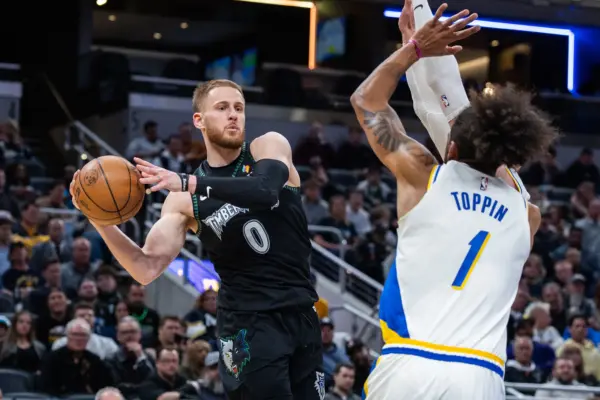
Conley helped steady Minnesota after arriving from Utah. His experience and decision-making played an important role during the team’s rise. The challenge is that Minnesota’s championship window is moving forward while Conley approaches the end of his career. He averaged 4.5 points and 2.9 assists per game this season, numbers that reflect an aging veteran rather than a long-term solution.
That reality creates a roster question the Timberwolves cannot avoid forever. Minnesota can still win games with Conley in the rotation, but the organization eventually needs someone capable of running the offense for years, not just months. The longer that question remains unanswered, the more responsibility falls on Edwards, a concern that reflects a bigger Timberwolves problem beyond any single position.
Anthony Edwards Is Carrying the Burden Minnesota Wants to Reduce
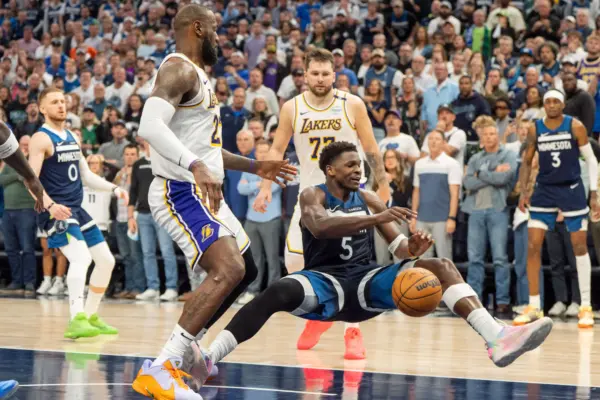
That responsibility is already significant. Edwards averaged 28.8 points and 3.7 assists this season. His scoring has helped turn Minnesota into a contender, but his role extends beyond putting points on the board.
The 24-year-old shooting guard is often responsible for creating advantages before the offense can even begin, a workload that remains one of his biggest problems as Minnesota tries to contend.
His playoff production tells a similar story. Edwards has a career postseason average of 25.9 points and 4.9 assists per game. Those numbers highlight how much of Minnesota’s offense continues to run through one player when games become more important.
That is why the Timberwolves should prioritize another creator rather than another scorer. The roster already has a player capable of leading the league’s best defenses into difficult decisions. What Minnesota lacks is another guard who can consistently organize the offense and create opportunities for others, which is why it still has an incomplete offense despite its success. Once the discussion shifts toward that skill set, Garland becomes a natural target.
Darius Garland Solves Minnesota’s Biggest Offensive Need
Garland’s appeal starts with his ability to run an offense. He averaged 18.8 points and 6.7 assists this season. Those numbers may not place him among the league’s highest scorers, but they show the type of playmaker Minnesota currently lacks.
The fit becomes more interesting when viewed alongside Edwards. Garland would not need to replace Edwards as the primary scorer. Instead, he would give the Wolves another player capable of initiating offense. That would reduce the pressure placed on Edwards to create every advantage himself and help ease the offensive burden. That balance could make the Timberwolves more difficult to defend throughout a playoff series.
Garland also brings a proven résumé. In addition to his efficient production in Cleveland, he is also a two-time All-Star. Minnesota would not be betting on untapped potential. It would be pursuing a player who has already demonstrated he can function as a lead guard on a winning team.
Recent Developments Could Create an Opportunity
Fit alone does not make a trade realistic, as player availability matters too. That reality has taken on new weight with the Los Angeles Clippers landing the fifth overall pick in this year’s draft, injecting fresh uncertainty into how they will shape their backcourt moving forward.
While this development does not guarantee a trade involving Darius Garland, it adds a volatile new layer to an NBA guard market poised for major changes this summer. If teams begin aggressively reshaping their backcourts around younger draft assets, the Minnesota Timberwolves will have every reason to monitor the situation closely.
The Cost Could Still End the Discussion
Even if the Timberwolves view Garland as an ideal target, acquiring him would be difficult. According to Spotrac, Garland is playing under a five-year, $197.2 million contract. That financial commitment would require substantial salary matching and meaningful assets heading to Los Angeles.
That is what makes this discussion more complicated than a simple fit analysis. Minnesota can identify Garland as a solution to its biggest offensive need, but building a realistic trade package is a different challenge altogether. The Timberwolves must improve the roster without weakening the foundation built around Edwards.
Minnesota does not need another high-volume scorer. It needs another creator capable of reducing the burden placed on its franchise player. Garland may be the most realistic target who fits that description. Whether the Timberwolves can afford the price is what ultimately makes the story worth watching.
© Jesse Johnson-Imagn Images