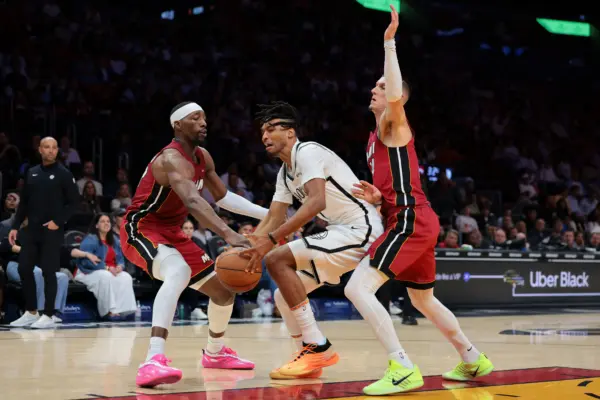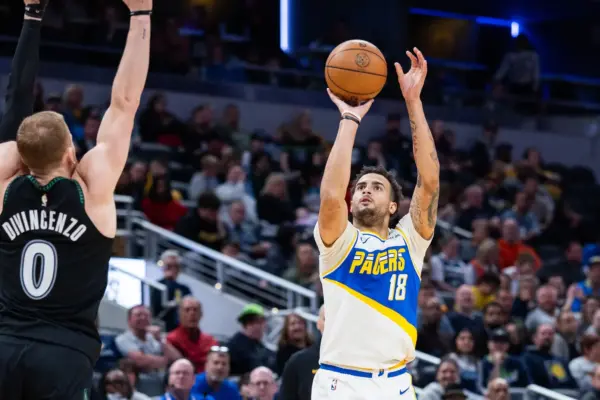

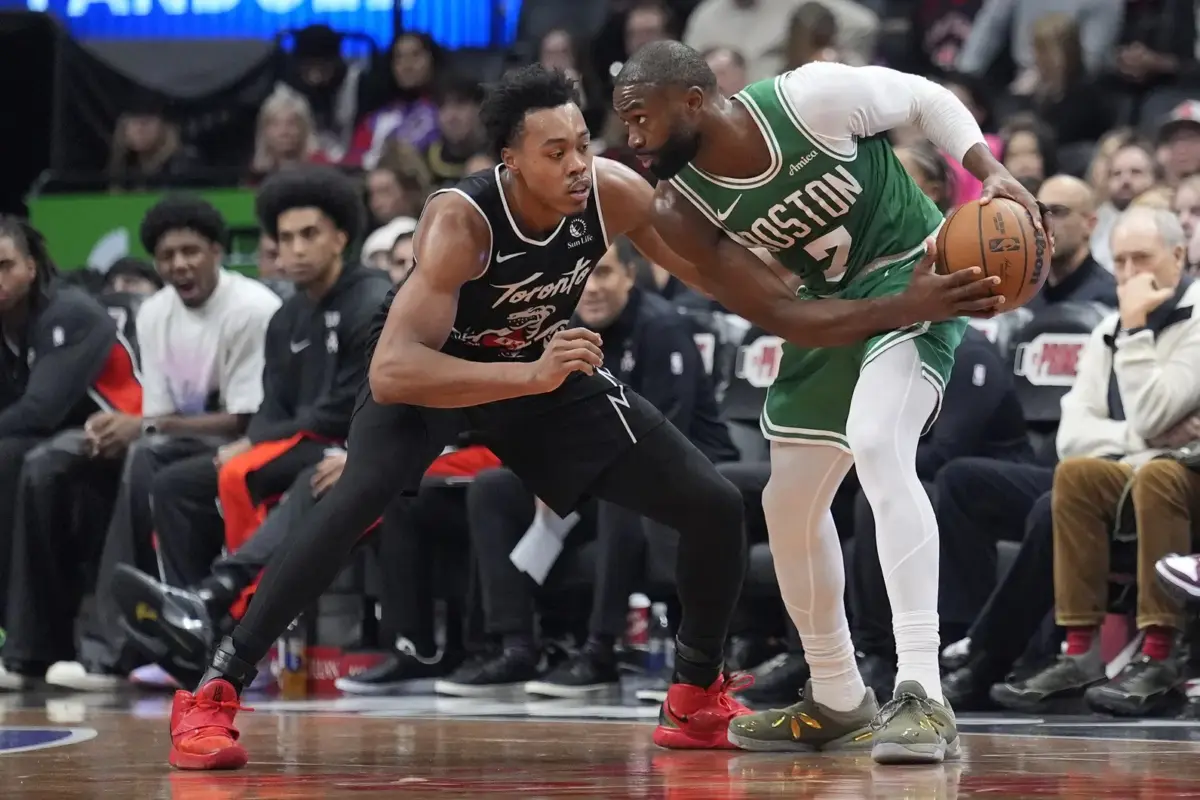

The NBA offseason is officially here, and with the league’s luxury tax second apron restrictions hitting rosters harder than ever, front offices are forced to think way outside the box. A prime example of this shifting landscape is visualized in this simulated transaction, which maps out a massive, blockbuster shakeup across the Eastern Conference. This jaw-dropping 4-team Jaylen Brown trade sends Brandon Ingram to the Brooklyn Nets and Jalen Suggs to the Boston Celtics in a sweeping, multi-layered deal. It is important to note right away that this is a simulated trade designed to solve pressing financial and roster dilemmas for four different franchises simultaneously.
Trade Speculation: 4-Team Jaylen Brown Trade Sends Brandon Ingram to the Nets And Jalen Suggs To The Celtics
By utilizing the asset flexibility of multiple front offices, this complex four-team construction fundamentally changes the balance of power in the East. Below is the full trade breakdown of how the massive asset exchange would look on paper.
The Simulated Trade Block Breakdown
Boston Celtics get: Jalen Suggs (via Magic), Nic Claxton (via Nets), 2028 First-Round Pick (via Raptors), 2031 First-Round Pick (via Raptors)
Orlando Magic get: Jakob Poeltl (via Raptors), Terance Mann (via Nets), 2028 First-Round Pick (via Nets)
Toronto Raptors get: Jaylen Brown (via Celtics)
Brooklyn Nets get: Brandon Ingram (via Raptors), Goga Bitadze (via Magic)
Why the Boston Celtics Do It: Prioritizing Financial Sustainability and Depth
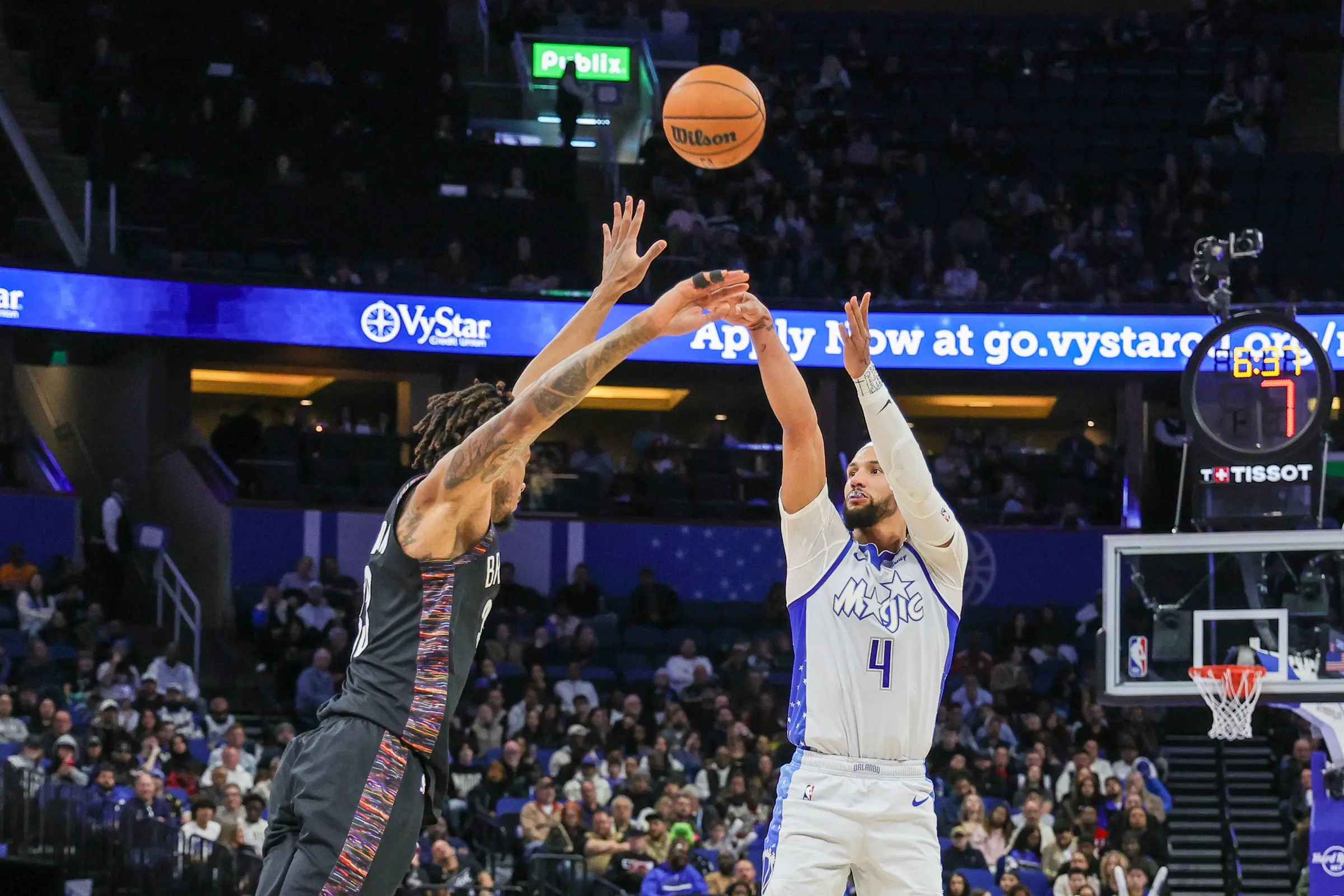
Jaylen Brown rightly earned a spot on the All-NBA second team after he led the Boston Celtics to the second seed in the Eastern Conference. However, under the current collective bargaining agreement rules, having two players in the league’s top 10 earners list for next season simply isn’t a sustainable model for success long term.
This simulated structure immediately solves that looming fiscal headache by improving the Celtics’ roster depth. Bringing in Jalen Suggs and Nic Claxton would instantly beef up and settle lingering concerns about the team’s frontcourt and backcourt rotations. While the roster would sacrifice a degree of elite perimeter shooting by moving off Brown, Suggs and Claxton represent a massive, undeniable upgrade on the team’s defense, giving the bench unit a ferocious identity.
Why the Orlando Magic Do It: Navigating a Backcourt Crunch and Avoiding Apron Penalties
The Magic find themselves facing an impending decision regarding Anthony Black’s future. With the team’s well-documented shooting struggles, Suggs looks like the odd man out among the organization’s core four long-term pieces.
Executing this deal gives the Magic some critical tax relief for this season, helping them effectively avoid the second apron for one more season. That extra year of financial runway is an incredibly important development as the roster continues to adapt to the Sean Sweeney era. Jakob Poeltl steps in to provide an elite, physical screening presence, while Terance Mann adds playoff-tested wing versatility.
Why the Toronto Raptors Do It: Securing a True 1A Shield for Their Franchise Piece
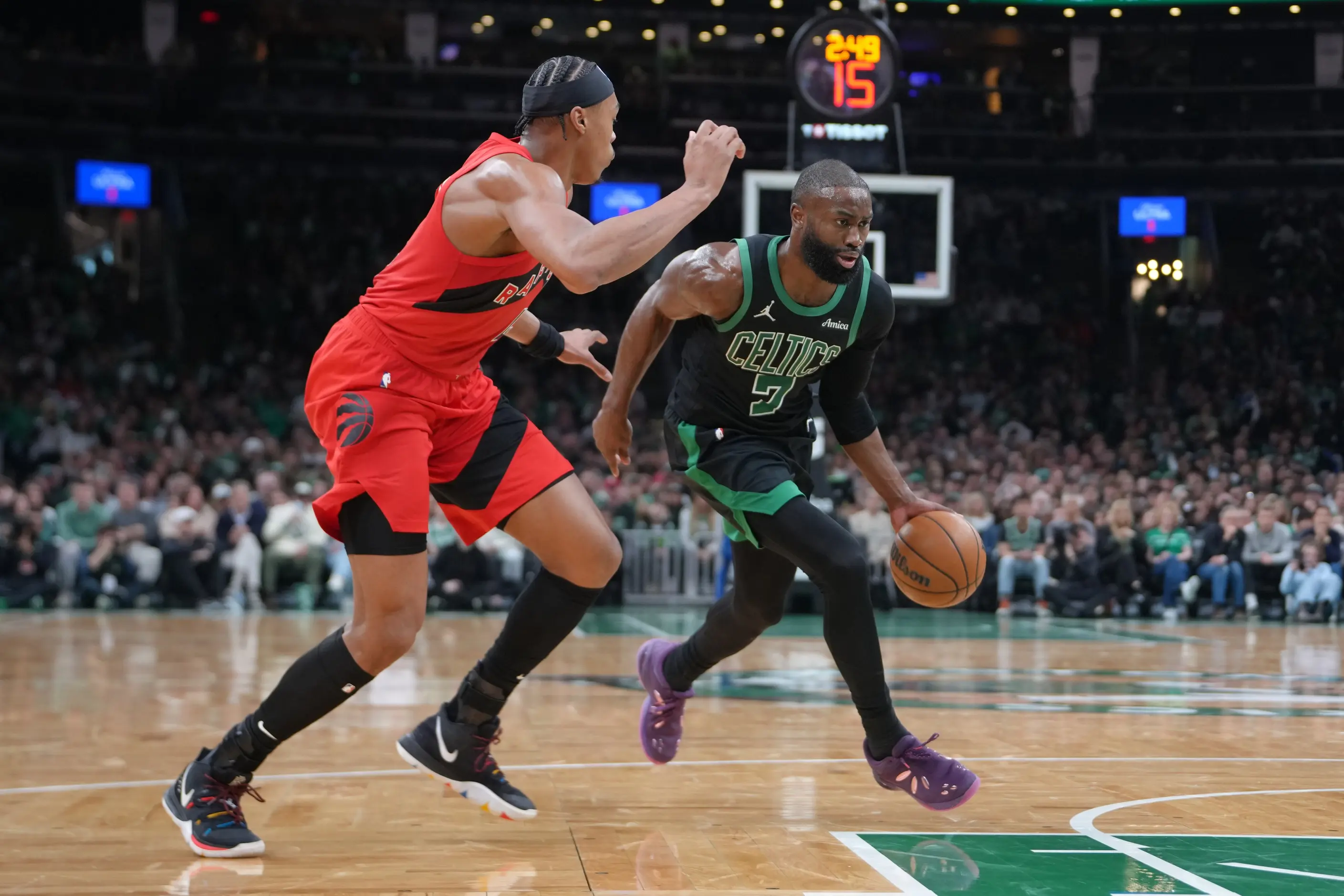
The Toronto Raptors give up two valuable future first-rounders, Jakob Poeltl, AND Brandon Ingram in this block. While that may look like a hefty price to pay for some casual observers, this is a necessary price to give Scottie Barnes a long-term co-star who can shoulder the scoring burden against playoff defenses.
Better yet, Brown gets to technically lead a team as the primary scoring engine despite this being firmly established as Barnes’ team. Because Barnes’ impact is much more dramatic on the defensive end of the floor, Brown could easily serve as the clinical offensive yin to Barnes’ elite defensive yang. This jaw-dropping 4-team Jaylen Brown trade raises Toronto’s ceiling dramatically.
Why the Brooklyn Nets Do It: A Low-Cost, Star-Driven Push for Competitive Relevance
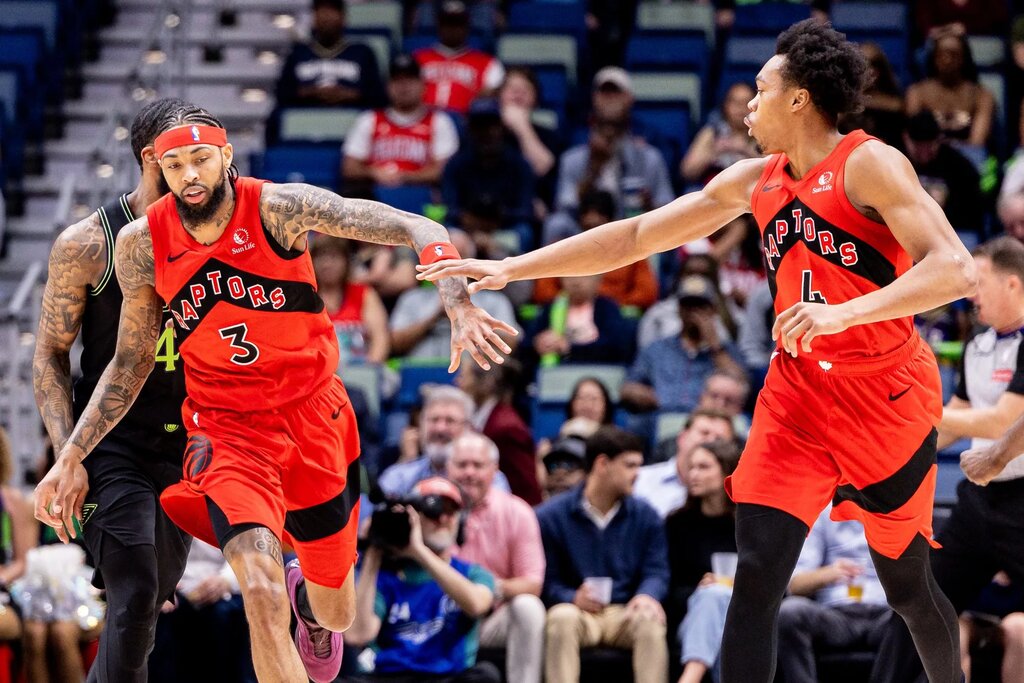
Brooklyn is in a position where they need to make a calculated, low-cost win-now move to re-energize their fanbase. While losing a homegrown defensive anchor like Nic Claxton would definitely hurt the locker room, netting a bonafide second star in Ingram and a starting-caliber defensive big in Bitadze would be an absolute home run for the Sean Marks front office.
Ingram gives the Nets a highly efficient mid-range scorer who can close out games in isolation, while Bitadze fills the interior physical void left behind by Claxton without crippling the team’s long-term cap flexibility. This jaw-dropping 4-team Jaylen Brown trade ends Brooklyn’s brief sojourn in the wilderness.
Credit:© John E. Sokolowski-Imagn Images