

OKLAHOMA CITY — The devastating sting of their recent postseason exit is painful enough, but the Oklahoma City Thunder are about to find out that the realities of the NBA salary cap are completely unforgiving. For years, General Manager Sam Presti enjoyed the luxury of competing at the highest level with a hyper-talented, heavily cost-controlled young core. However, the team is now forced to confront a massive Thunder $28 million problem that completely changes their timeline.
3 Radical Paths Forward For The Thunder $28 Million Problem
With the rookie-scale extensions for both Chet Holmgren and Jalen Williams officially kicking in, Oklahoma City’s financial blueprint has shifted overnight from a cost-controlled paradise to a high-stakes second apron puzzle. With 15 players currently rostered, the Thunder are projected to sit roughly $28 million above the restrictive second apron line (estimated at $222.4 million), leaving the front office with zero margin for error.
The New Financial Reality: Breaking Down the Core Salaries
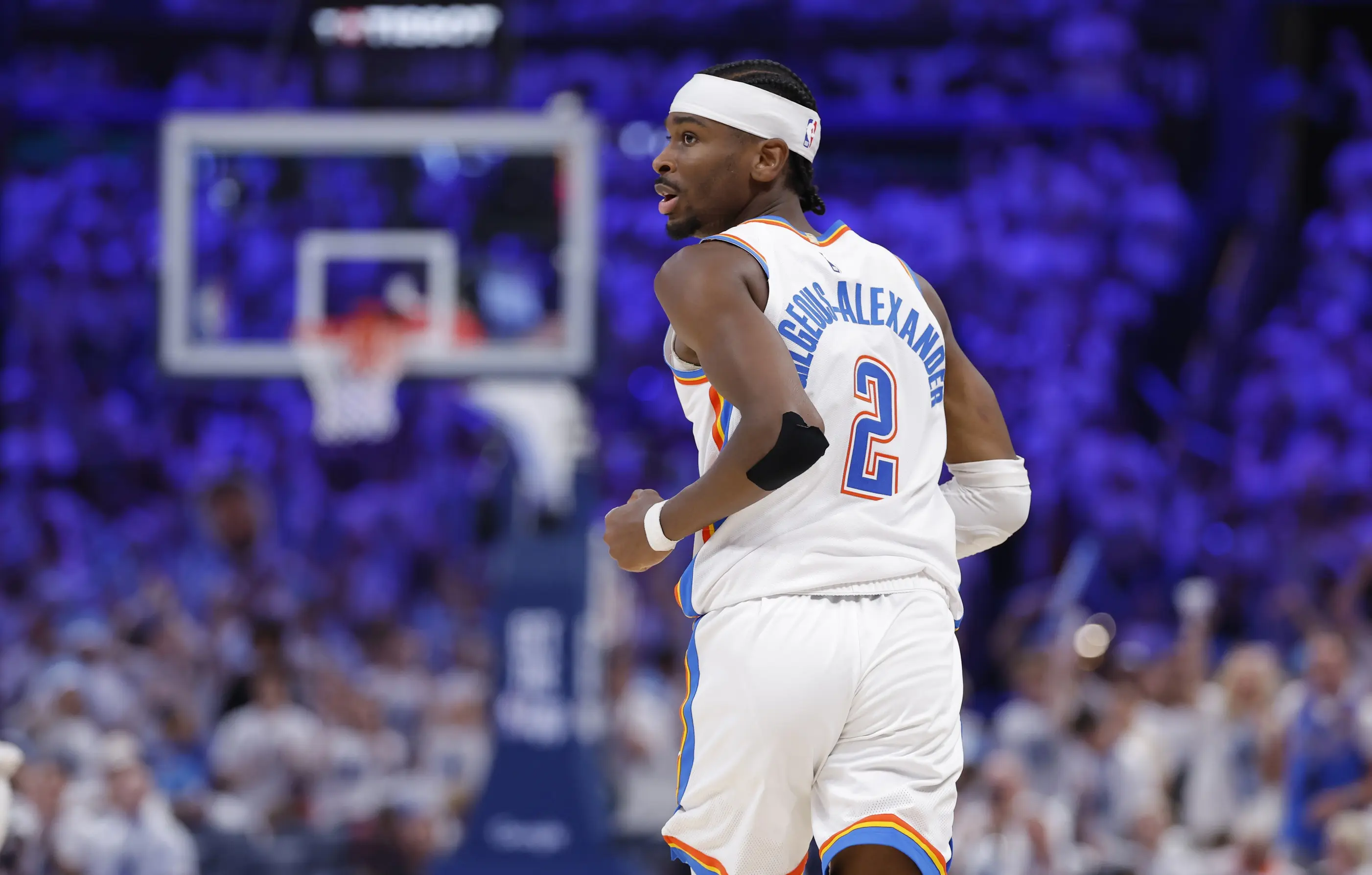
Instead of the hyper-flexible cap sheets of years past, Oklahoma City now boasts one of the most expensive frontline groups in professional basketball. Holmgren and Williams jump straight to the top of the payroll alongside superstar Shai Gilgeous-Alexander, with the roster metrics breaking down as follows for the upcoming campaign:
Chet Holmgren: $41.5 million
Jalen Williams: $41.5 million
Shai Gilgeous-Alexander: $40.8 million
Isaiah Hartenstein: $28.5 million (Team option)
Alex Caruso: $19.5 million
Luguentz Dort: $18.2 million
Auxiliary Depth (Isaiah Joe, Aaron Wiggins, Jared McCain, Cason Wallace, and others): Combined to round out the projected $250.3 million total team salary.
The Draft Capital Asset Dilemma
Compounding this roster crunch is Oklahoma City’s relentless draft engine. In the upcoming NBA Draft, the Thunder hold three selection slots:
Pick No. 12 (via Los Angeles)
Pick No. 17 (via Philadelphia)
Pick No. 37 (via Dallas)
Bringing three more guaranteed rookie-scale contracts onto a team that already has 15 players rostered is structurally impossible without corresponding roster movement. Presti cannot simply add more bodies to an existing logjam without triggering historic luxury tax bills and debilitating trade restrictions that freeze future draft assets.
Three High-Stakes Options for Sam Presti
To navigate this financial bottleneck, the Thunder have three distinct paths available to them this offseason:
1. Lean into the Apron and Run It Back
The first choice is the most straightforward: accept the penalties. By carrying this exact group into the season, ownership cuts a massive luxury tax check, accepts the freezing of their future draft picks, and loses the ability to aggregate salaries in trades or use mid-level exceptions. The logic here is that this core is a proven title contender, and keeping the deepest roster in basketball intact is worth the mechanical restraints for a single-season championship push.
2. Trim the Auxiliary Fat via Salary Dumps
If the front office decides that starting the “three-out-of-five-year” second apron clock is too dangerous long-term, they can aggressively shed salary. Moving mid-tier contracts like Luguentz Dort, Aaron Wiggins, Isaiah Joe and/or Kenrich Williams into opposing teams’ open cap space—accompanied by draft assets to sweeten the deal—would pull Oklahoma City right back down toward financial flexibility. This approach prioritizes long-term roster sustainability over short-term depth.
3. The Blockbuster Asset Consolidation
The final option leverages Oklahoma City’s historic draft hoard before the second apron rules completely lock down their capacity to execute trades. Under this framework, the Thunder package multiple high-value draft picks (including their No. 12 and No. 17 selections) alongside mid-tier matching salaries to acquire an elite player. Consolidating three or four roster spots into one top-tier player balances the roster back out to 15, maintains an elite ceiling, and burns through excess assets that the team otherwise won’t have room to actually draft.
Ultimately, Sam Presti has spent half a decade planning for this exact financial bottleneck. Whether the Thunder decide to pay the second apron tax or trade their way out of it, the decisions made over the coming weeks will define the longevity of Oklahoma City’s championship window.
Credit:© Jerome Miron-Imagn Images