

MIAMI— Analyzing how the league’s radical anti-tanking reform will save the Miami Heat from their own hyper-competitive cycle is becoming the defining storyline of the NBA offseason.
How The New 3-2-1 Lottery Rules Save The Miami Heat From Themselves
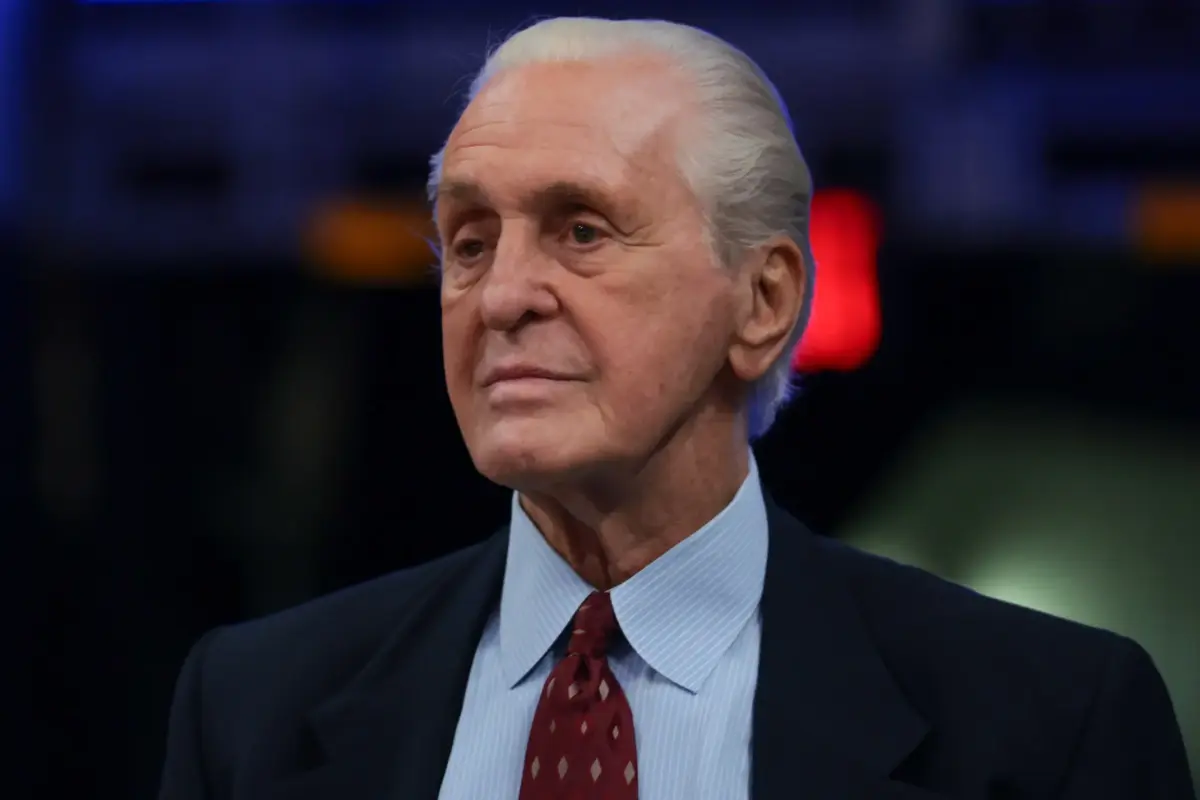
For decades, team president Pat Riley has operated on an unshakeable, proud psychological plane. While rival organizations shamelessly stripped their rosters to the studs to chase lottery balls, “Heat Culture” strictly demanded constant competitiveness. To their credit, it worked brilliantly, resulting in deeply improbable, gritty NBA Finals runs in 2020 and 2024 without a single traditional tank job.
But there is a hidden, suffocating tax attached to that prideful philosophy: permanent mediocrity is always lurking right around the corner. The 2025-26 regular season was the ultimate manifestation of this reality. Finishing 10th in the Eastern Conference after an underwhelming campaign, Miami found themselves trapped in no man’s land—good enough to stay vaguely relevant, but lightyears away from a real championship ceiling.
In the old system, this middling limbo zone represented the absolute worst place to be for an NBA team. Now, under the league’s new rules, it is officially the perfect place to be.
The Heavy History Of South Beach Lottery Curses
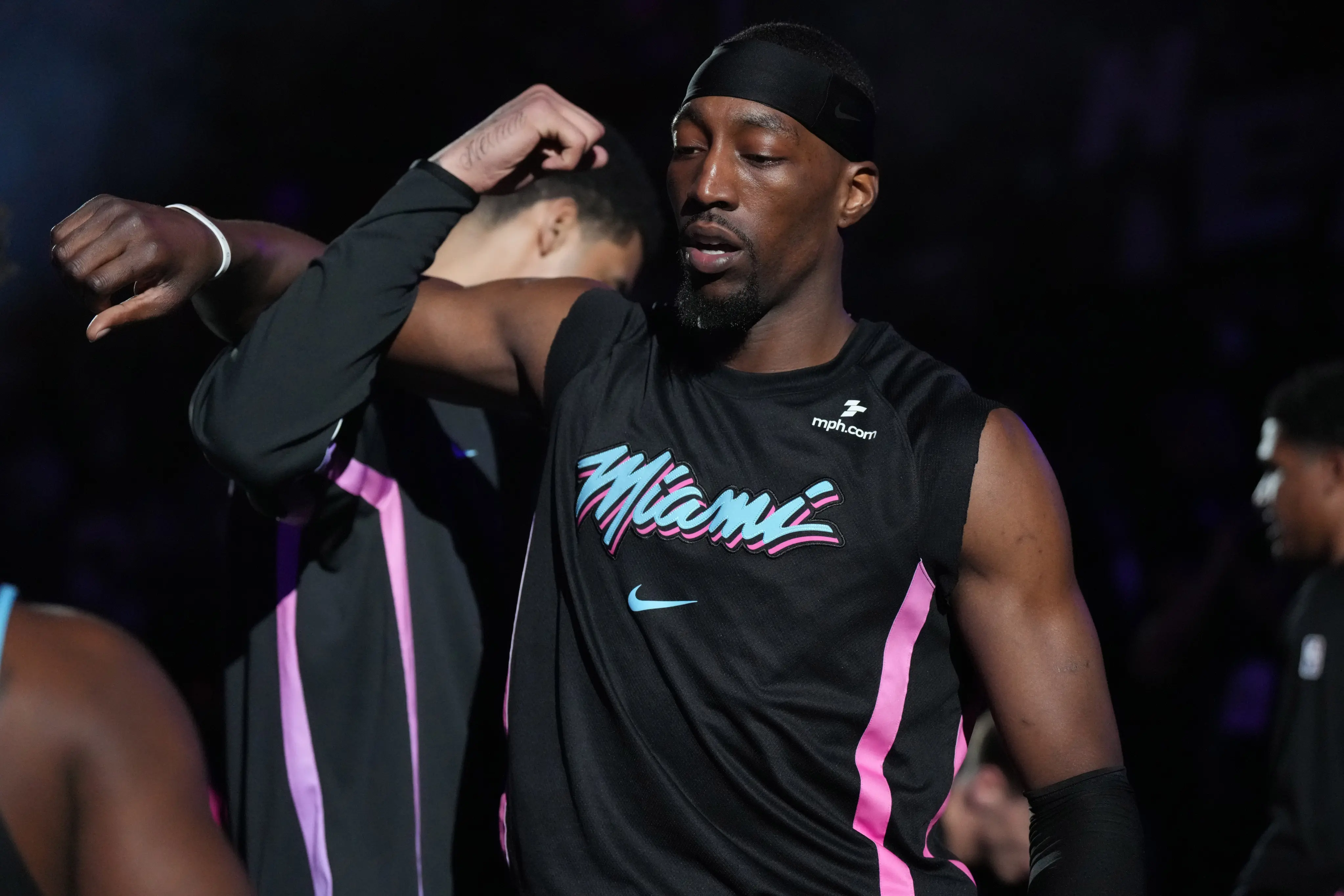
The primary reason this shift matters is that the draft lottery has quite literally never favored Miami. Because Pat Riley has historically refused to intentionally lose basketball games, the Heat have only appeared in the lottery 11 times in franchise history. When they have slipped into the drawing, the basketball gods have aggressively punished them for their pride.
The franchise’s highest-ever selection came back in 2008 when they entered the lottery with the league’s worst record, only to drop one spot to the number two selection, where they drafted Michael Beasley. Had the ping-pong balls bounced mathematically true, Derrick Rose could easily have been a Miami legend alongside Dwyane Wade. That heartbreak is just the tip of the iceberg. The truly brutal reality is that Miami has never once moved up from their pre-lottery position in franchise history, dropping spots in seven different lottery draws across the years.
| Year | Pre-Lottery Position | Post-Lottery Draw | Resulting Draft Selection |
|---|---|---|---|
| 1989 | No. 1 Odds | Dropped 3 Spots | Glen Rice (No. 4) |
| 1990 | No. 2 Odds | Dropped 1 Spot | Willie Burton (Rights Traded) |
| 1991 | No. 2 Odds | Dropped 3 Spots | Steve Smith (No. 5) |
| 1993 | No. 9 Odds | Dropped 1 Spot | Lindsey Hunter (Rights Traded) |
| 2003 | No. 4 Odds | Dropped 1 Spot | Dwayne Wade (No. 5) |
| 2008 | No. 1 Odds | Dropped 1 Spot | Michael Beasley (No. 2) |
Entering the 2026 NBA Draft Lottery, the trend lines looked depressingly identical. The Heat finished their season winning just enough games to avoid elite odds entirely, owning a microscopic 1% chance at the No. 1 overall pick and an uninspiring 4.8% chance at landing anywhere in the top four.
If there was ever an elite sports franchise that fundamentally deserved a bit of cosmic lottery luck after decades of protecting competitive integrity, it is Miami. Then again, knowing the cruel nature of the standard lottery system, the league would likely just reward the asset-hoarding Oklahoma City Thunder with another top-four pick strictly for the online comedy.
Flipping The Script Under The 3-2-1 Reform
But the newly approved “3-2-1” lottery system changes the math entirely for a franchise built like the Heat. Under the previous closed-loop draft system, bad teams were heavily incentivized to race to the bottom of the standings to hoard lottery odds. It created a massive chasm between the championship contenders and the tanking bottom-dwellers, completely swallowing middling, competitive teams alive.
The new system thoroughly breaks that sandbox. By introducing an aggressive domestic “draft relegation” zone that actively punishes the bottom three teams with stripped lottery balls, the league has officially weaponized the draft to reward competency. Teams that refuse to field uncompetitive rosters and continuously push for the play-in or lower playoff seeds are heavily compensated under the flattened odds distribution.
Instead of being trapped in the “beige wallpaper” of NBA mediocrity, Miami’s insistence on staying competitive now gives them an identical baseline of lottery assets to teams that intentionally lost 60 games. It allows Pat Riley to run this roster out every single night with a mandate to win, knowing that the system will no longer destroy their draft pipeline as a penalty for their culture. For the first time in modern basketball history, the NBA is actively bending its rules to mirror the exact competitive meritocracy Miami has championed for thirty years and South Beach is ready to cash the check.
Credit:© Sam Navarro-Imagn Images