
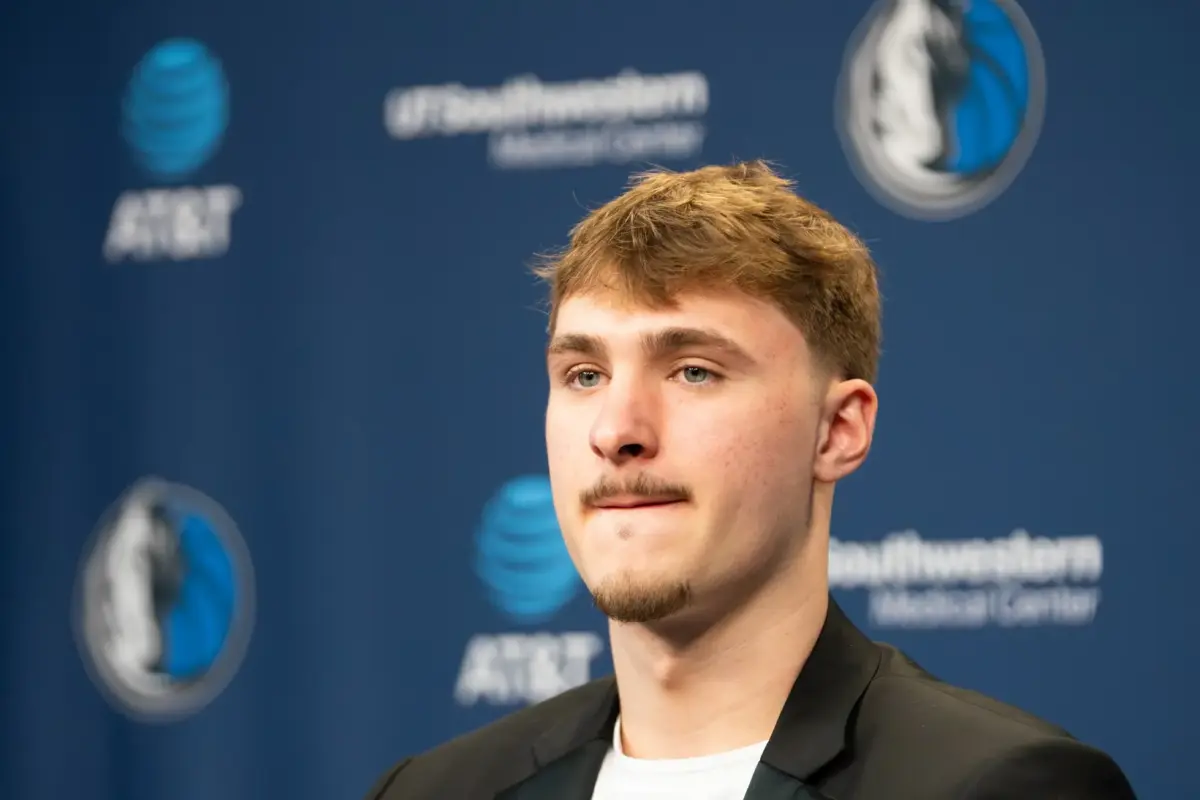

DALLAS — Masai Ujiri’s plans and the Dallas Mavericks‘ rebuild are officially underway, and if you thought the February roster purge was chaotic, you haven’t seen anything yet. Following a brutal 26-56 season, the short-lived Anthony Davis panic-era is dead and buried.
Masai Ujiri is now running the show in Dallas, Jason Kidd has been handed his walking papers, and the entire franchise is aggressively pivoting to build around Rookie of the Year Cooper Flagg. But while casual fans are busy looking at draft lottery odds, the real magic of this rebuild is hidden deep within the team’s cap sheet. Dallas isn’t just stripping the roster down to the studs; they are armed with a masterclass in modern salary cap manipulation that gives them an elite foundation to jumpstart this new era immediately.
The Aftermath Of The Jason Kidd Firing: Inside Masai Ujiri’s Plans And The Mavericks’ Rebuild
Liquidating the Veteran Core
Let’s not mince words: outside of Cooper Flagg, nobody on this roster should be picking out paint colors for a home renovation project. When a new front office takes over after a 56-loss disaster, nostalgia goes out the window. The most obvious trade casualty is Naji Marshall, who is entering the final year of a highly team-friendly contract. He is exactly the kind of gritty, defensive wing a desperate contender will overpay for on draft night, and Ujiri would be looking to cash in that check right now.
The same logic applies to the remaining veteran depth. Players like Daniel Gafford, P.J. Washington, and Caleb Martin are suddenly luxury items on a team that may need to lose games, not fight for the play-in. This isn’t a shot at their talent, it’s just the cold reality of recouping assets Nico Harrison spent building the team. Expect Ujiri to shop these pieces to stack future draft capital. New GM Mike Schmitz joining the Mavericks organisation signals that Masai Ujiri’s plans would be heavily influenced by analytics.
The $56 Million Cap Hold Paradox
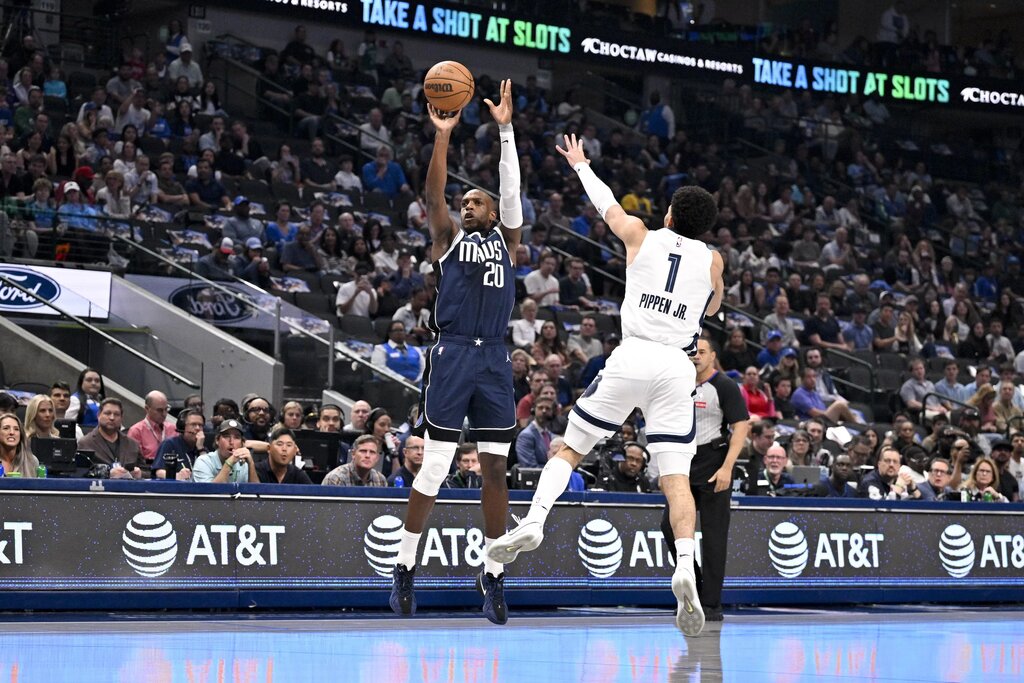
This is where the financial ledger gets beautifully, hilariously weird. The Mavericks currently carry an eye-popping $56 million cap hold for Khris Middleton—a remnant of February’s frantic three-team deadline shuffle. On court, Middleton’s current production screams Non-Taxpayer Mid-Level Exception at best, meaning he’s realistically worth about $15.1 million on the open market. Paying him $56 million would be basketball malpractice, but holding that massive number on the books is an absolute opportunity for Masai Ujiri’s mandate and the Mavericks’ rebuild.
Think of this cap hold as an artificial financial placeholder. By keeping Middleton’s Bird rights active, Dallas isn’t planning on actually cuting him a massive check. Instead, they are preserving a giant salary-matching slot. This allows Ujiri to act as the ultimate facilitator in sign-and-trade scenarios, letting Dallas absorb a disgruntled star or an unwanted contract from a rival franchise choked out by the new CBA aprons. It is elite cap engineering masquerading as dead weight. The Mavericks are likely to be a player in the eventual Giannis Antetokounmpo trade.
Weaponizing the $20 Million Trade Exception
If the Middleton cap hold is the shield, the $20 million trade exception Dallas has burning a hole in its pocket is the sword. Most rebuilding franchises have to eat dirt and tank for two or three consecutive years just to clean their books and clear space. Dallas, thanks to the financial gymnastics engineered during the February roster purge, can skip the line and weaponize this exception immediately on draft night.
Because they possess this exception, they don’t need to send matching salary back to a trade partner. They can simply play the role of the NBA’s ultimate relief valve, absorbing an unwanted $18 million contract from a luxury-tax-panicked contender in exchange for unprotected future first-round picks. It’s essentially a mechanism to acquire draft picks, giving Ujiri the ultimate flexibility to hoard assets while still maintaining their actual $14 million Non-Taxpayer MLE to sign younger, long-term depth to flank Flagg.
The Blueprint for a Swift Reset
To summarize the chaos: the veterans are good as gone unless they are kept as adults in the room; the Middleton hold is a brilliant sign-and-trade trap card, and the trade exception is a weapon designed to hoard future first-round picks. Rebuilds fail when teams tear down without a blueprint, but Dallas has managed to clear the decks while maintaining some financial flexibility.
© Raymond Carlin III-Imagn Images