

At this point, it is no longer a coincidence.
The Toronto Raptors have repeatedly put themselves in position to win games — only to lose control when it matters most. Whether it’s the regular season or the playoffs, the pattern has been the same: build a lead, then struggle to close.
That is not just a flaw. It is becoming an identity.
The Toronto Raptors Have a Problem Closing Games
A Pattern That Keeps Repeating
This issue has shown up multiple times throughout the season.
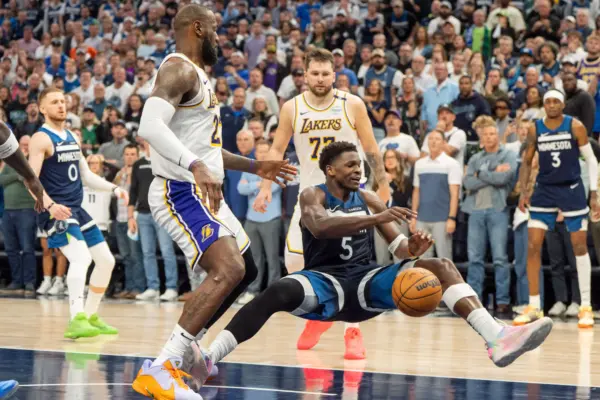
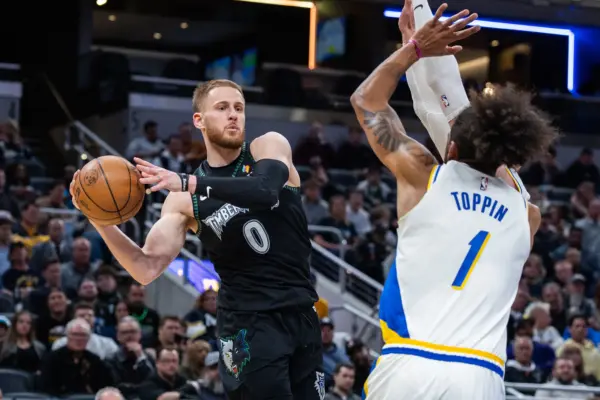
On February 4, the Raptors lost to the Minnesota Timberwolves, 128-126, after leading by as many as 18 points. Minnesota dominated late, outscoring Toronto in the fourth quarter and completing the comeback.
Just before that, on January 30, Toronto suffered another collapse against the Orlando Magic. The Raptors led comfortably entering the fourth quarter (99-86) but were outscored 44-21 in the final period, losing 130-120. These are not isolated cases.
Late-game collapses have also appeared against teams like the Sacramento Kings, where fourth-quarter execution — or lack of it — cost them the game. History even followed them into the playoffs.
In Game 5 against the Cleveland Cavaliers, Toronto held control early but could not sustain it, allowing a comeback that shifted the series. And in Game 6 — a win — the same issue showed up. The Raptors built a double-digit lead but allowed it to disappear in the fourth quarter before surviving in overtime.
Game 7 becomes even more dangerous with that trend.
The Free Throw Problem Is Making It Worse
Closing games is not just about defense or shot-making. It is also about free throws — and Toronto has been inconsistent in that area.
Late in games, missed free throws:
- Kill momentum
- Keep opponents within reach
- Turn two-possession games into one-possession games
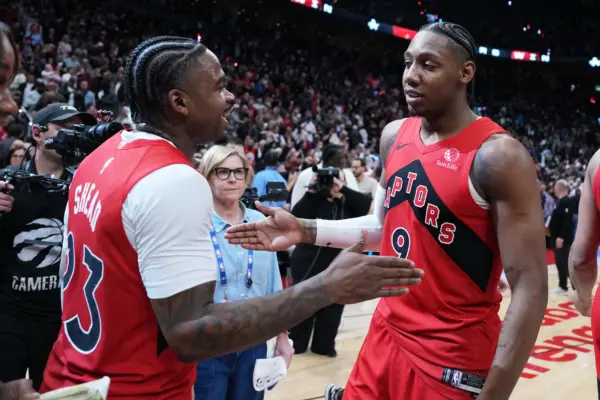
In tight situations, those misses become magnified. The Raptors generate contact well, especially through players like RJ Barrett and Scottie Barnes, but failing to convert consistently at the line has prevented them from putting games away.
At the playoff level, that is the difference between closing and collapsing.
Why This Keeps Happening
The issue is not just execution — it is decision-making under pressure. Late in games, Toronto’s offense tends to become stagnant, rely too heavily on isolation, and lose ball movement and spacing.
At the same time, defensively, small lapses begin to appear. Closeouts get slower, rotations are a step late, and fouls start to accumulate. Fatigue plays a role, but so does composure.
Closing games requires clarity — knowing where the ball should go, what shots to take, and how to manage possessions. Toronto has not consistently shown that.
How They Can Fix It
The solutions are not complicated, but they require discipline.
First, the Raptors must simplify their late-game offense. Instead of overcomplicating possessions, they need to trust their primary creators and focus on generating quality looks, not just any shot.
Second, free throws must improve. Even a slight increase in efficiency can change outcomes in close games.
Third, they need better possession management. That means fewer turnovers, smarter pacing, and understanding when to attack versus when to control the clock.
Most importantly, they need composure. Closing games is as much mental as it is tactical.
What It Means Moving Forward
This issue is now defining Toronto’s ceiling. They have shown they can compete with strong teams. They have shown they can build leads. But until they prove they can consistently finish games, those strengths will continue to be undermined.
In the playoffs, this becomes even more critical. There are no easy possessions. There are no easy wins. And if the Raptors cannot solve this problem, it will eventually cost them when it matters most.
The Last Word
The Raptors are not far off. In fact, that is what makes this more frustrating. They are doing enough to win — just not enough to finish.
Until that changes, every lead will feel temporary. And every game will feel at risk.
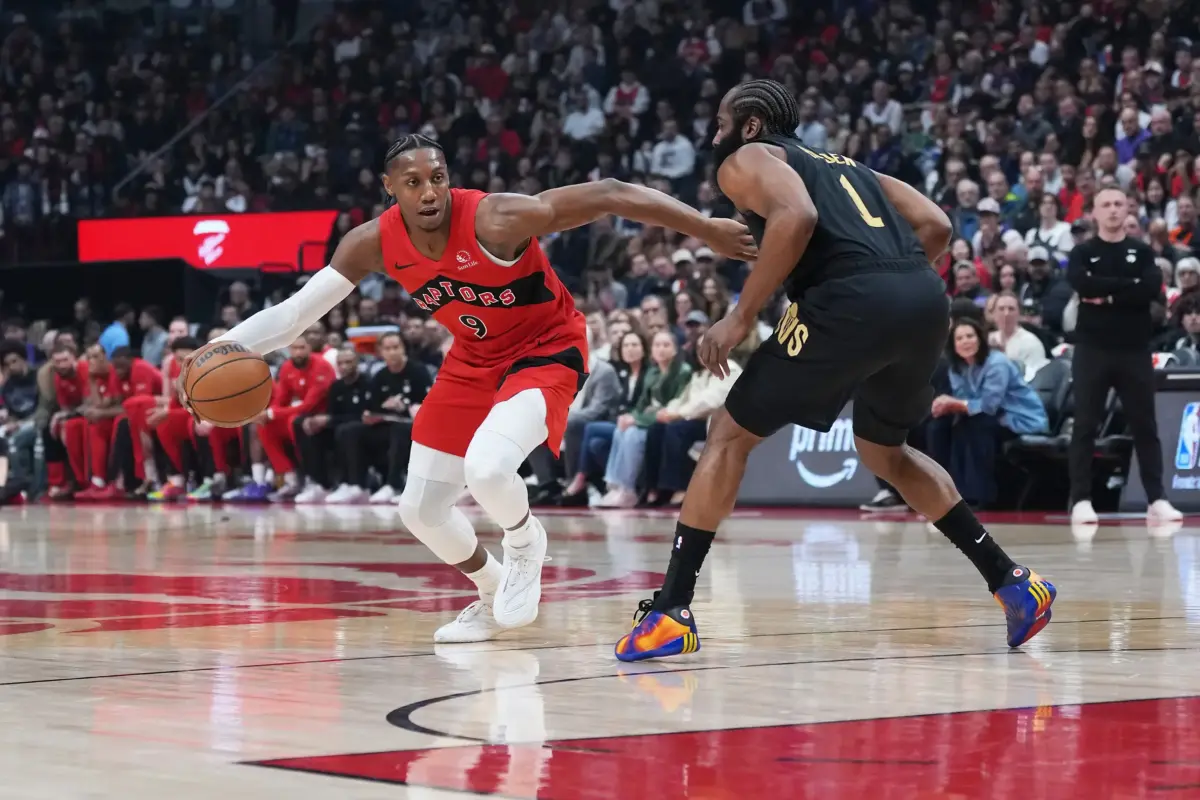
© Nick Turchiaro-Imagn Images