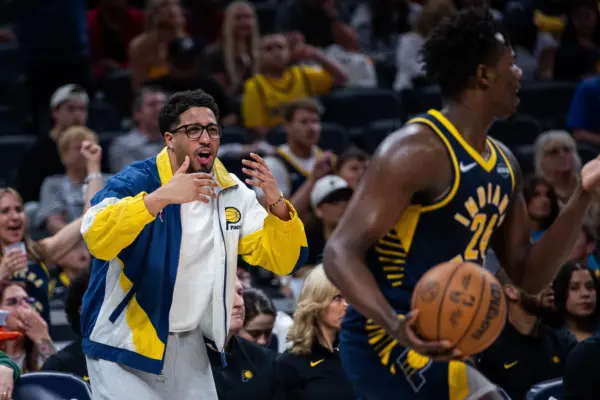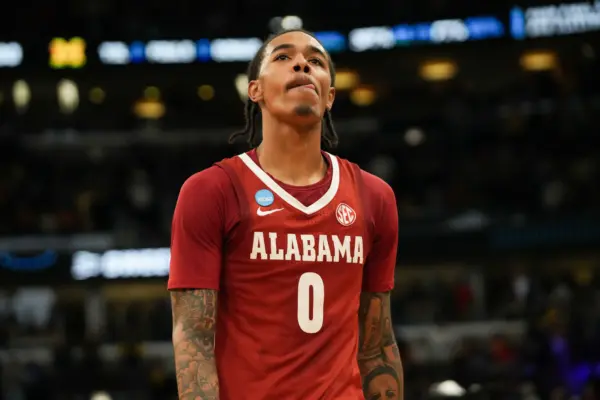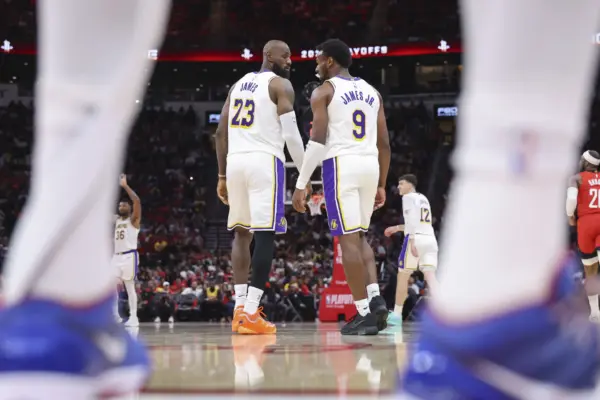


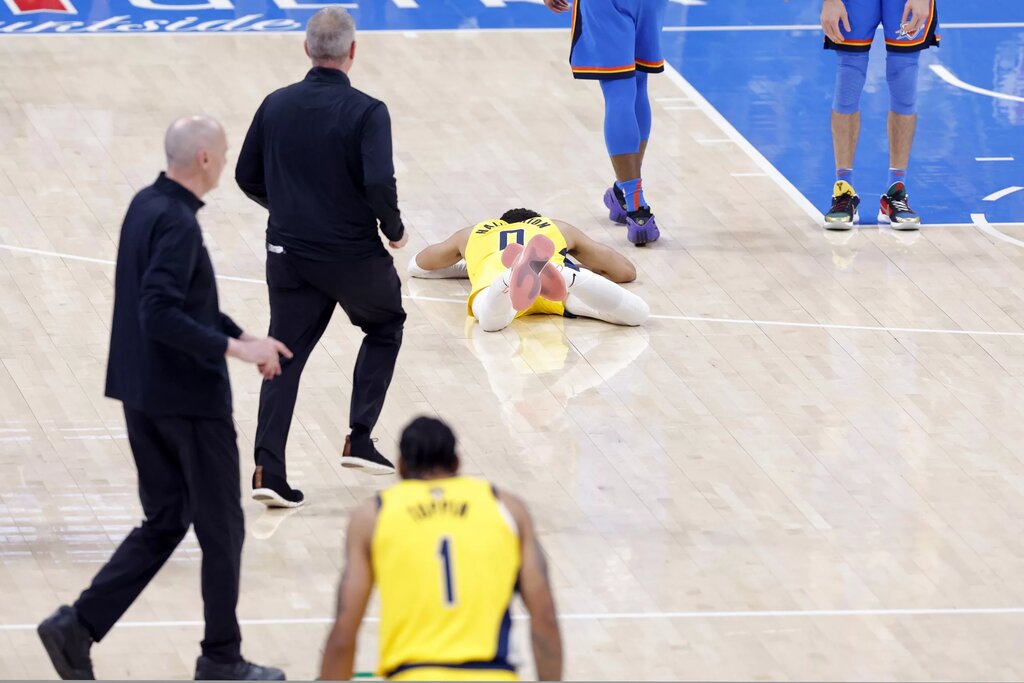
NEW YORK – Achilles tendon injuries have haunted the NBA for decades. From 1990 to 2023, 45 players tore the tendon. That averages out to just 1.36 injuries per season. But this year, the situation has escalated into something far more troubling. In the past 12 months alone, eight NBA players have suffered an Achilles injury—more than five times the usual average. And the year isn’t over. What began quietly with rookie Da’Ron Holmes in Summer League has now stretched into the postseason with Indiana’s Tyrese Haliburton falling in Game 7 of the Finals. These injuries are not just targeting aging stars anymore. They are occurring in young athletes more and more.
NBA To Investigate Achilles Injuries Crisis But Reason Is Obvious
Silver Acknowledges the Surge
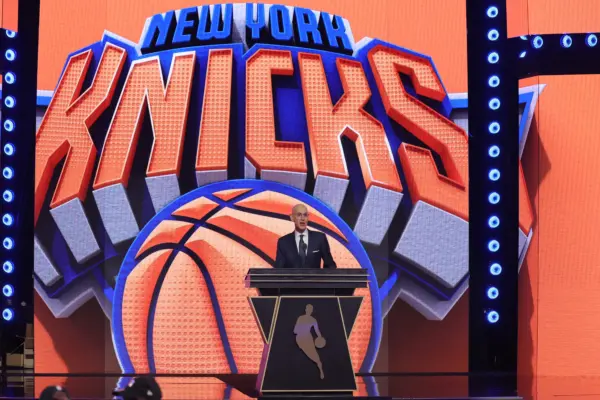
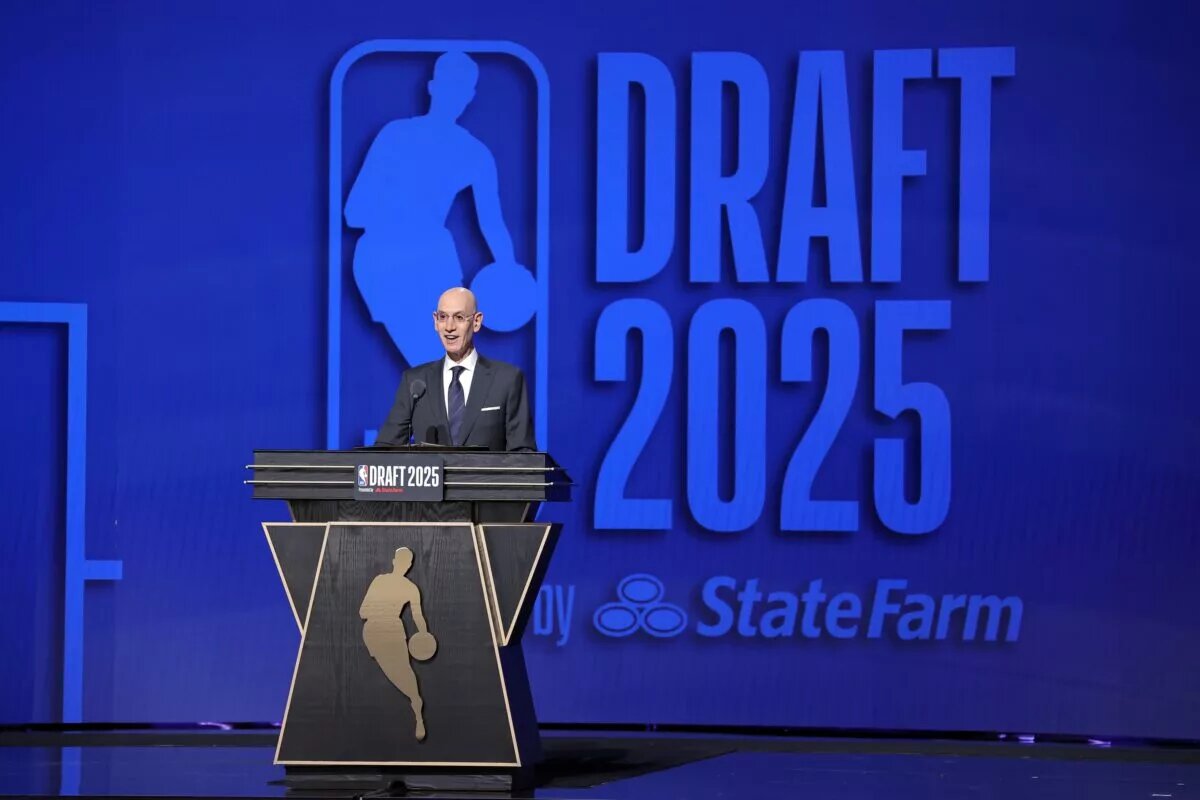
NBA commissioner Adam Silver addressed the issue during ESPN’s draft broadcast. “We had already convened a panel of experts before Tyrese’s most recent Achilles rupture,” Silver said. “We had seven this year. We had zero last year under the exact same circumstances. The most we’ve ever had in a season is four.”
That statistic is eye-opening. The league doubled its previous high. A spike this dramatic isn’t just bad luck—it’s a trend.
Silver added that the league is turning to technology for answers. “I’m hopeful that by looking at more data, by looking at patterns… this is one area where AI—people are talking about how that’s going to transform so many areas—the ability with AI to ingest all video of every game a player’s played in to see if you can detect some pattern that we didn’t realize that leads to an Achilles injury,” he said.
A Pattern That’s Hiding in Plain Sight
A review of each recent Achilles injury in the NBA reveals one shared element: sudden, forceful, non-contact movement.
James Wiseman tore his Achilles pivoting for a rebound.
Isaiah Jackson injured his while trying to block a shot. Dejounte Murray ruptured his tendon pivoting for a rebound off his own miss.
Dru Smith sustained his tear trying to drive past a defender.
Damian Lillard hurt his pivoting for an offensive board.
Jayson Tatum tore his extending to save a turnover.
Haliburton ruptured his Achilles driving into the lane.
There’s no mystery. These injuries all occurred during explosive, non-contact movements—precisely the kinds of motions modern basketball demands constantly.
The Modern Game Is the Culprit
Silver questioned whether the NBA’s length is to blame but leaned another direction. “When we look back at the last 10 years, the majority of the Achilles injuries have happened before the All-Star break,” he said. “So, it’s not clear it’s the number of games.”
Instead, Silver pointed to training habits. “Modern NBA players, even when they’re not playing games, sometimes in the summer they’re working harder than they are during the season when they’re playing three games a week,” he said.
That observation aligns with the reality of today’s NBA. High-intensity offseason training, stacked schedules, and constant cutting, jumping, and sprinting have turned basketball into a perfect storm for tendon damage.
Compared to other sports like football or baseball, basketball puts repeated eccentric stress on the lower leg. Baseball rarely involves the quick twitch forces that cause tears. Football has its risks but more rest between bursts. The NBA’s constant pounding is unique.
The Risk Is Embedded in the Sport
It’s hard to imagine modern basketball without sudden changes of direction, vertical leaps, or violent stops. These movements define the game. They are why the NBA secured an 11-year, $76 billion TV deal. But they’re also precisely what puts the Achilles in danger.
Every possession demands something that could rupture a tendon—whether it’s a drive, pivot, or fast-break finish. The nature of the modern NBA, along with increased athleticism and shortened rest cycles, make Achilles injury risk not only higher, but systemic.
The AI analysis Silver referenced may help uncover subtle warning signs, but the broader issue is clear to anyone paying attention. The sport’s explosive mechanics are tearing its athletes apart.
As the league investigates this alarming spike, it must also consider whether the real answer is already staring it in the face. The NBA’s Achilles injury crisis is not a mystery. It’s the result of a game that has outpaced the limits of the human tendon.
© Brad Penner-Imagn Images