

The Minnesota Timberwolves shook up their roster this offseason by trading for LaMelo Ball. The focus has primarily been on how this acquisition will benefit Anthony Edwards by pairing him with another All-Star-caliber playmaker. Minnesota’s deal involved sending Naz Reid and several draft picks to the Charlotte Hornets, signaling a new direction for the franchise centered around Edwards.
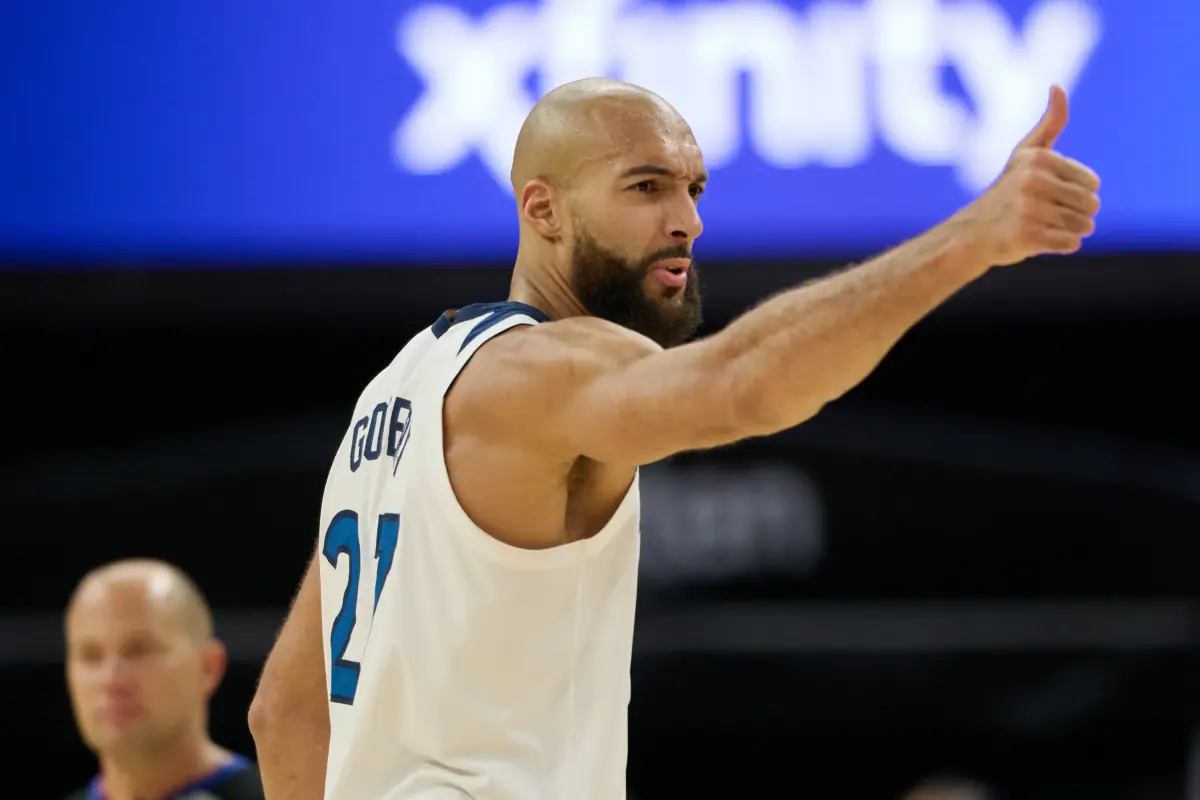
Edwards will benefit right away, but Rudy Gobert may also gain from the addition of Ball. Last season, Gobert lacked a true pass-first point guard, which hurt his offensive output. Ball’s presence will provide the playmaker Gobert needs to succeed.
Rudy Gobert Could Be Timberwolves’ Biggest Winner From LaMelo Ball Blockbuster
Anthony Edwards Grabs Spotlight
It is easy to understand why Edwards has dominated the discussion. Minnesota has searched for another primary ball-handler to ease his workload, especially late in games when defenses send extra attention his way, to address his biggest problem. Ball gives the Timberwolves another player capable of creating shots for himself and his teammates.
That pairing should make Minnesota’s offense more balanced. Edwards no longer has to initiate every possession, while Ball can attack defenses before they are fully set, easing the offensive burden that contributed to his frustration last season. Those benefits are obvious, but they have also taken attention away from another player whose role could change just as much.
Rudy Gobert Lost Chances
Gobert finished last season with an average of 10.9 points per game, his lowest since his third NBA season. While his defensive value remained strong, his offensive role diminished as Minnesota focused more on Edwards and reduced Mike Conley‘s involvement.
This decline wasn’t just about age or ability. Gobert has never been a center known for creating offense through post-ups or isolation. His scoring relies on guards who can recognize his rim runs, reward his screens, and deliver accurate passes before defenses can react.
Minnesota struggled to do this consistently. Gobert would create space with hard screens, only to see possessions result in contested jumpers or kick-outs to the perimeter. While these plays occasionally scored points, they often left Gobert out of the action after doing the hard work.
LaMelo Ball Sees Openings
LaMelo Ball’s style should shift the dynamic from the season opener. Few point guards involve teammates as naturally as he does, and his passing is a standout aspect of his game. Whether in transition or the half-court, Ball seeks easy scoring opportunities instead of tough shots.
Last season, Ball averaged 20.1 points and 7.1 assists in 72 games, marking his healthiest campaign in years. His assist numbers highlight more than just ball movement. They reflect his ability to read defenses ahead of time and trust teammates to finish at the basket.
This approach suits Gobert well. The four-time Defensive Player of the Year doesn’t need many touches to impact the offense. He needs a point guard who will reward him after setting screens and rolling to the rim.
Rudy Gobert Fits Perfectly
The pick-and-roll can be a key offensive strategy for Minnesota. Defenses need to focus on Edwards’ ability to attack, while Ball adds another layer of unpredictability with his shooting, driving, and passing.
These quick decisions create opportunities for Gobert. If defenders focus on Ball, Gobert can navigate to the basket. If a weak-side defender moves to help, Minnesota’s shooters get good looks from the perimeter. Ball excels at making these reads, and Gobert is skilled at finishing them.
Additionally, spacing will be crucial. Minnesota’s shooters will keep defenders close, reducing the number of players in the paint. This gives Gobert more space to execute the plays that have characterized his offensive game for years.
Rudy Gobert Knows Role
There’s a proven model for this partnership. Gobert thrived offensively with the Utah Jazz, averaging a career-high 15.9 points in the 2018-19 season, thanks to strong guard play that created easy scoring opportunities.
Minnesota now has a chance to replicate parts of that success. While Ball may not play exactly like Gobert’s previous guards, he shares a willingness to engage his center rather than just using him as a temporary screener. This could become apparent quickly when the regular season starts.
Gobert will need to develop chemistry with Ball, who often makes ambitious passes. While building this takes time, the potential rewards are significant, especially considering Minnesota’s lack of such connections in recent seasons.
Many will focus on the chemistry between Ball and Edwards to assess this trade. That duo will be critical as Minnesota continues shaping its team identity in the Western Conference. However, Gobert’s role deserves attention as well.
He may not average 20 points per game, and Minnesota doesn’t require him to. If Ball can help him become a reliable target for lobs and an effective finisher in pick-and-rolls, Gobert could become a key asset from this trade. This improvement may not steal headlines like Edwards’ partnership with Ball, but it could make the Timberwolves a much stronger team.
Photo Credit: Robert Edwards, Imagn Images via Reuters Connect