
The Minnesota Timberwolves spent years building a team capable of winning playoff games with defense. That work is largely finished. The problem is that their offense has not reached the same level.
Minnesota’s second-round exit exposed a reality the organization can no longer ignore. The Wolves know exactly how they want to defend, but they still have not established the same clear identity on offense.
The Timberwolves Have Built a Great Defense and an Incomplete Offense
Minnesota Already Knows Its Identity
The Timberwolves have invested heavily in defensive talent over the past several seasons. Rudy Gobert protects the rim. Jaden McDaniels guards multiple positions effectively. Anthony Edwards brings size and athleticism on the perimeter when fully engaged.
That formula has produced results. Minnesota has consistently remained one of the toughest teams to score against. Even during difficult stretches, the defense has given the team a chance to compete. That foundation helped carry the Wolves through another playoff run this spring.
Because the defense is so reliable, it often covers weaknesses elsewhere. A team can survive offensive slumps when it regularly forces opponents into difficult shots. That reality helped Minnesota win many games. It also delayed a larger conversation about the offense.
The Playoffs Exposed the Gap
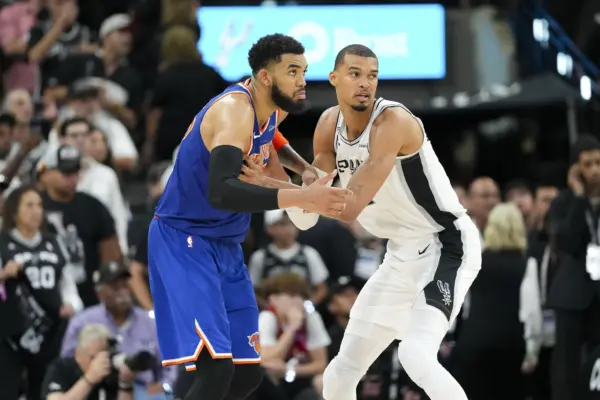
Postseason basketball is different. Opponents spend days studying every tendency. They remove easy options and force stars into uncomfortable situations. That is exactly what happened to Minnesota during its series against San Antonio.
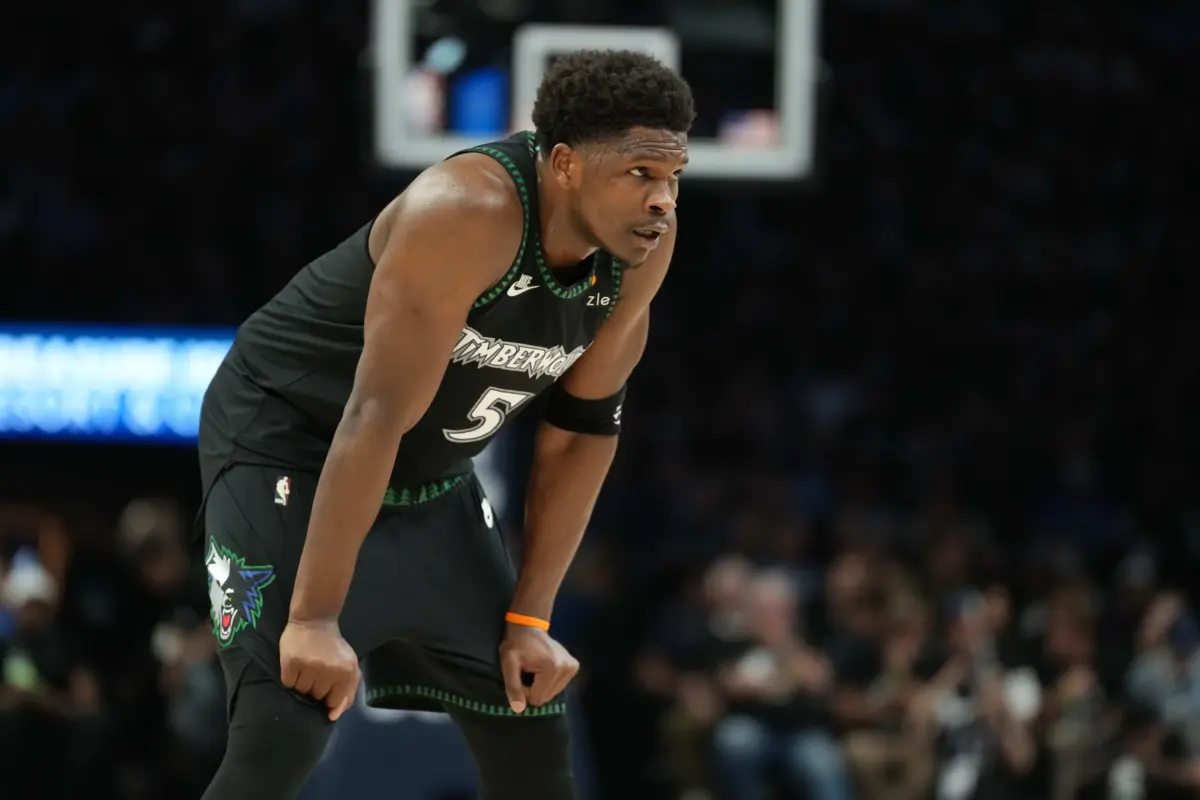
Even amid criticism of Minnesota’s season, Edwards continued to deliver star-level production, giving the franchise a strong foundation for its long-term recovery plan.
That status came with a challenge in the playoffs. The Spurs repeatedly built their defense around slowing Edwards down. In Game 3, San Antonio limited him to five fourth-quarter points after he scored 27 through three quarters. The strategy was simple: make someone else beat them.
That approach worked because Minnesota often struggled to generate offense outside its primary option. The result was not a defensive failure. It was an offensive one.
Anthony Edwards Cannot Carry Minnesota’s Offense Alone
Edwards remains one of the NBA’s best young scorers, and opposing defenses routinely build their game plans around slowing him down. That level of attention highlights both his importance to Minnesota’s offense and the challenge the team faces.
The issue is not whether Edwards can produce. It is that the Timberwolves often rely on him to create too much of their offense on his own, leaving the team vulnerable when opponents successfully limit his opportunities.
When Edwards attacks, Minnesota’s offense can look explosive. When defenses load up on him, the offense often becomes far less dynamic. Too many possessions end with difficult shots late in the clock. Too many possessions require Edwards to solve every problem himself.
Championship offenses put constant pressure on defenses from multiple spots on the floor. They feature secondary creators and playmakers who can generate offense when the primary star is taken away. Minnesota has some of those players. It just does not have enough to sustain that pressure over a playoff series.
The Offense Never Fully Caught Up
The front office deserves credit for building a roster with a clear defensive identity, and the move that brought Gobert to Minnesota reshaped the team’s defense. McDaniels developed into one of the league’s best wing defenders, making recent speculation about his long-term future in Minnesota even more notable. Naz Reid developed into a valuable two-way contributor, strengthening the team’s depth. Consequently, Minnesota assembled a team capable of winning physical games against elite opponents.
However, the offense followed a less direct path.
At times, the Wolves moved the ball well and generated quality looks. At other times, they became heavily dependent on individual shot creation. Recent roster analysis has repeatedly pointed to the need for another creator to organize the offense and reduce pressure on Edwards.
Every spring, the need becomes more obvious, as regular-season talent can produce wins. However, playoff success requires answers that Minnesota still lacks. When opponents take away the first option, the team has few alternatives left.
The Most Important Question of the Summer
The Timberwolves do not need to reinvent themselves. They do not need to sacrifice their defensive identity. In fact, that identity remains the foundation of everything they do.
What they need is offensive balance.
Whether that comes through a trade, free agency, or internal development matters less than the outcome. Minnesota needs another player capable of creating offense, organizing possessions, and making Edwards’ life easier. This should be the front office’s priority this summer because the Wolves have already proven they can build a championship-level defense. The next step is constructing an offense that can be mentioned in the same conversation.
Until that happens, Minnesota may continue to hit the same postseason ceiling, regardless of how dominant its defense becomes.
© Jesse Johnson-Imagn Images