
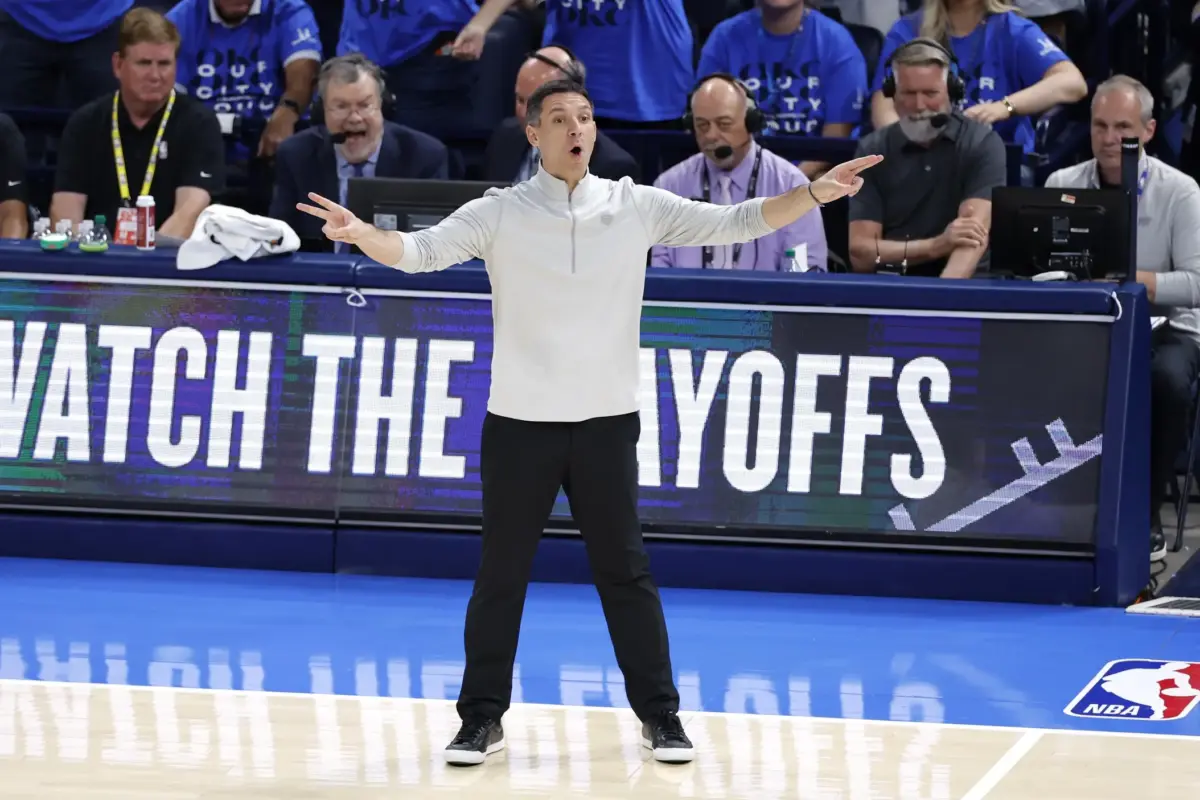

OKLAHOMA CITY — The fallout from a devastating postseason exit is already altering the financial landscape in Oklahoma City. Following a tight series elimination, a looming Oklahoma City Thunder roster crunch forces them to dump $20 million duo in an effort to manage the team’s long-term payroll and navigate restrictive salary cap thresholds.
Thunder Roster Crunch Forces Them To Dump $20 Million Duo
According to league insider Evan Sidery, the Oklahoma City Thunder will look to separate from reserve guards Isaiah Joe and Aaron Wiggins for draft compensation this summer. The move is engineered specifically to help the franchise trim its ballooning salary commitments and become apron-compliant ahead of a highly restrictive offseason calendar.
The Thunder will look to salary dump Isaiah Joe and Aaron Wiggins for draft compensation this summer to become apron-compliant.
Both players were out of Oklahoma City’s main rotation throughout the playoffs. pic.twitter.com/GWq8P1tKbR
— Evan Sidery (@esidery) May 31, 2026
Shedding Safe Assets to Fight the Second Apron
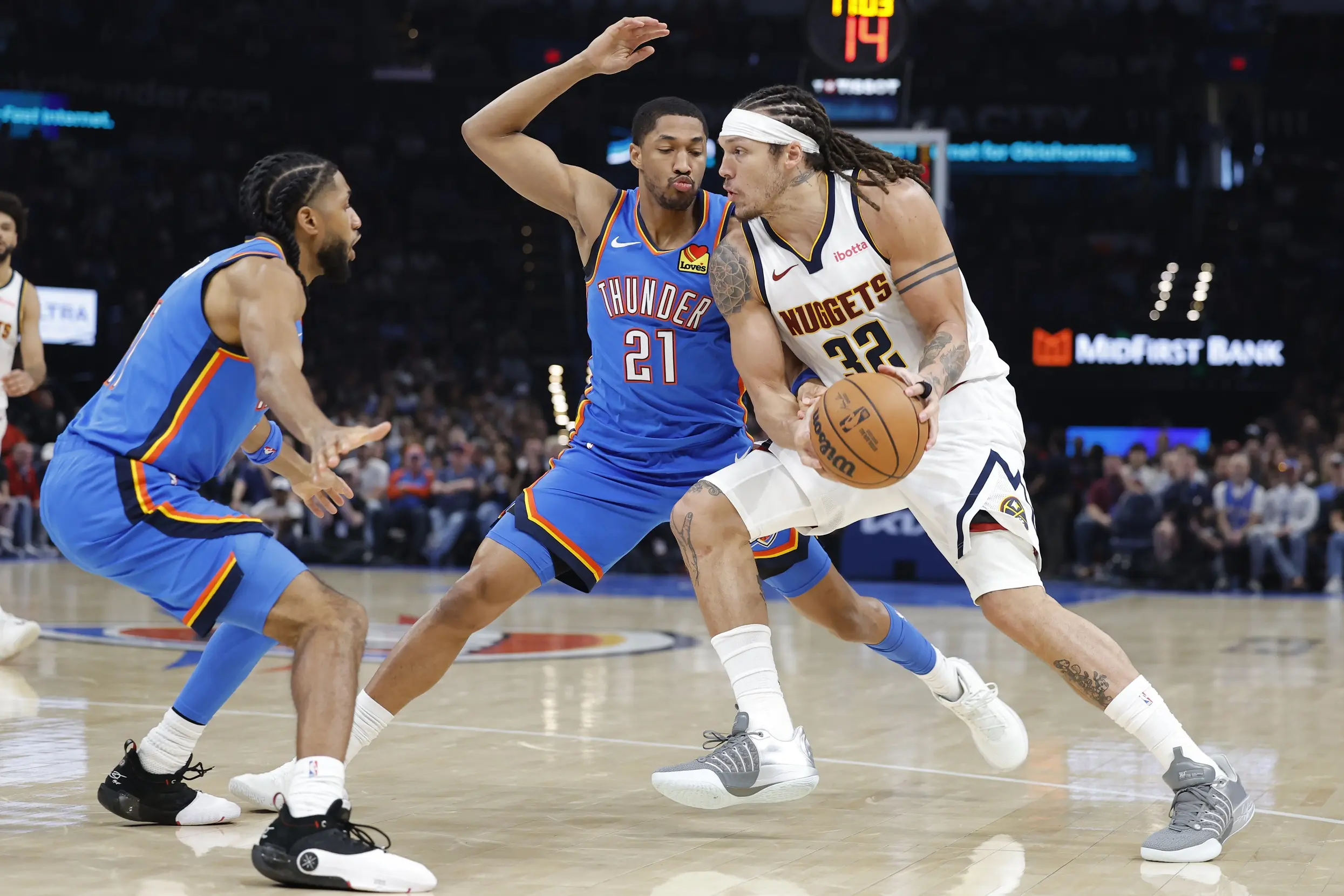
Both Joe and Wiggins have been highly valued development stories in OKC, but the reality of the league’s collective bargaining agreement has shifted their roster status. Combined, the duo represents a highly movable contract baseline for teams looking to absorb reliable perimeter depth.
For Oklahoma City, moving them into rival cap space without taking incoming salary back is a pure asset-clearing play. With massive supermax extensions set to kick in and the roster projected to sit comfortably over the second apron, the front office is prioritizing fiscal sustainability over back-end roster depth. Hardcore fans may find the decision jarring, but it highlights how punitive the second apron has become for small-market contenders.
Out of the Playoff Rotation and onto the Move
While both players provided excellent regular-season utility, their sudden availability stems from their declining postseason roles. Both Joe and Wiggins effectively fell out of Oklahoma City’s main rotation during the most critical stretches of the playoffs.
When opposing defenses tightened and the coaching staff shortened its bench, the duo struggled to find consistent minutes on the floor. Because their deal structures remain highly reasonable and team-friendly for rival organizations, they project as positive-value trade chips rather than negative salary anchors. Expect several cap-space teams to view this unexpected circumstance as the perfect opportunity to extract functional rotation talent while helping the Oklahoma City Thunder solve its immediate financial gridlock.
Credit:© Alonzo Adams-Imagn Images