
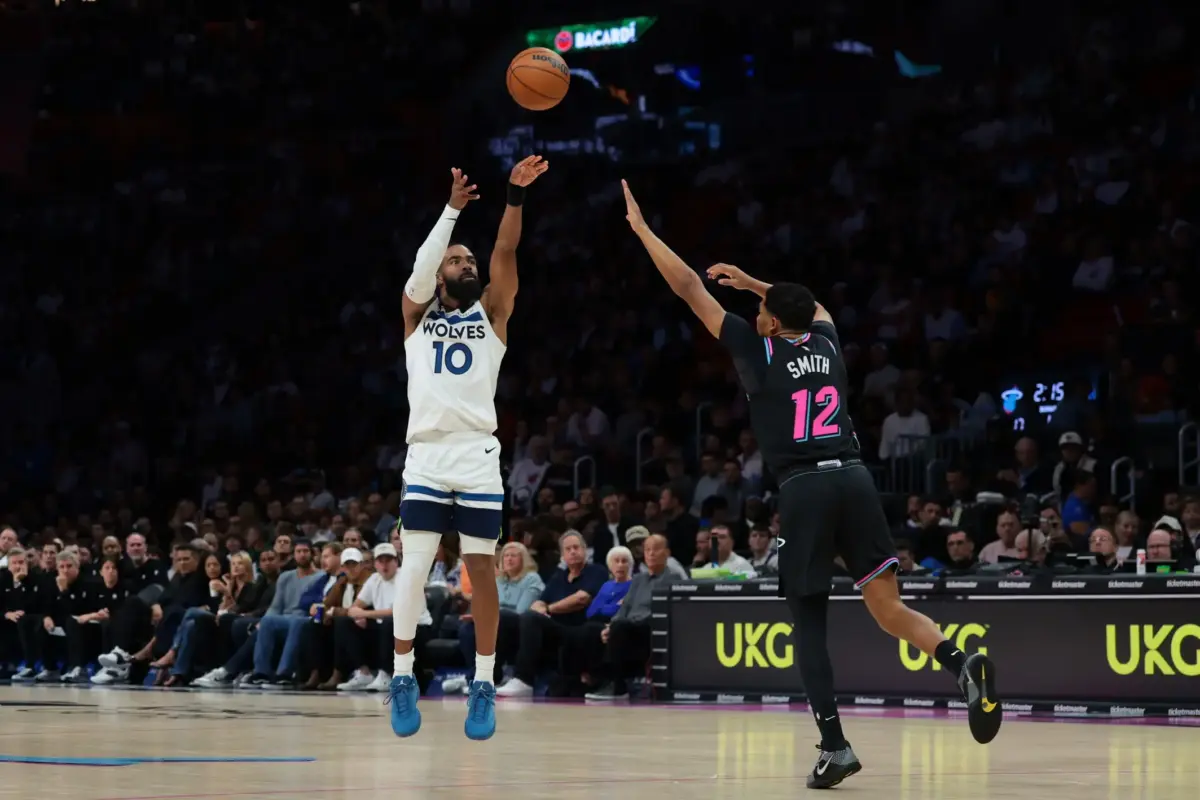

These days, the Miami Heat are in reboot mode, upgrading their roster with new faces. They have made impressive choices with Giannis Antetokounmpo and Tim Hardaway Jr. and were reportedly keen to follow them up with Mike Conley for their point guard needs. However, Conley joined the Boston Celtics despite strong interest from Miami. So, where did things go south?
Why Did the Miami Heat Pass on Signing Mike Conley?
Aiming to get Conley after the acquisition of Antetokounmpo was a calculated choice. With him and Hardaway, Miami was hoping to create a lineup of seasoned pros who could assist the superstar as supreme guards and provide him with all the help he needed. After getting Antetokounmpo, the rumors intensified. But the Heat perhaps faced the same issue that they are already facing with every new signing.
Their obsessive whale hunting has deeply impacted their pockets. They have hard-capped themselves at the first apron of $209 million and are left with mere pocket change to fulfill the remaining roster spots. Their cap restriction has already cost them the most effective player from last season: Norman Powell. So instead of choosing a veteran minimum contract that Conley wanted, the Heat went solely for the younger option of Hardaway on a one-year, $6.5 million deal.
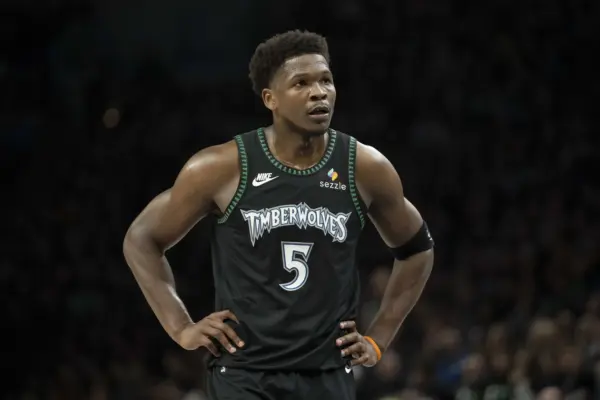
Conley eventually signed with Boston on a one-year, veteran minimum deal worth $3.9 million, effectively ending his term with the Minnesota Timberwolves after three seasons. The Celtics’ signing of him was unforeseen but not completely unexpected. Their executive, Brad Stevens, has long been an admirer of Conley and showered him with public praise when he was still coaching the team. Conley and his agent navigated through a couple of options before deciding on Boston.
What Would Conley Have Offered Miami?
The 38-year-old is set to make a historic milestone as he enters his 20th season, becoming the 14th player in league history to do so. Had he been brought to Miami, he would have made an impact with his sharp 3-point shooting. He also would have become a high-IQ backcourt leader for the roster, coming off a season where he posted just 0.6 turnovers per game.
However, there are certain liabilities attached to him as well. Conley has been around the league for a while now, but in the last year, his performance has become a little concerning. Last season, he averaged career lows in points and minutes. In 14.0 minutes across 54 games, he put up 4.4 points, 1.3 rebounds and 2.7 assists while shooting 33.5% from the field. There has also been a visible decline in his shooting, mobility and defense. Perhaps these facts contributed to Miami’s decision not to choose him in the end.
Nevertheless, Mike Conley is a dependable leader who the young players look to for guidance. During the Timberwolves’ playoff run this year, he was out of rotation but was quick to take charge after Donte DiVincenzo and Anthony Edwards went down with injuries. His NBA Sportsmanship Award and the Teammate of the Year Award are testaments to the value he holds as an experienced veteran and on-court trailblazer.
Miami Moves On
The Heat are being selective with their tight cap space and who they can realistically pursue with it. With limited options available, they have to wash their hands of some very good players this year. However, it’s a compromise they have made in the path of superstar accumulation that will hopefully lead to a championship next season; it’s also a step necessary for their long-term survival.
© Sam Navarro-Imagn Images