

The Detroit Pistons’ offseason is filled with expectations rather than hope. After spending much of the last decade searching for direction, Detroit has taken meaningful steps back toward relevance over the past two seasons. The rebuilding phase is over. Now comes the challenge of turning a promising young core into a legitimate championship contender.
That next step doesn’t necessarily require chasing every big name on the market. The Pistons have been linked to several players, and while some additions could elevate the roster, history has shown that continuity and internal growth can be just as valuable as blockbuster moves. Championship teams aren’t built overnight, and sometimes the smartest move is resisting the temptation to force one.
Expectations have changed in Detroit. The question is no longer whether the Pistons can become relevant again—it’s how aggressive they should be in pursuit of contention. Should fans be disappointed if the Pistons don’t land another star, or could patience and continuity prove to be the wiser investment? Let’s dive in.
Detroit Pistons Offseason Dilemma: Trust the Process or Cash In?
Pistons’ Biggest Offseason Decision Shouldn’t Be Complicated
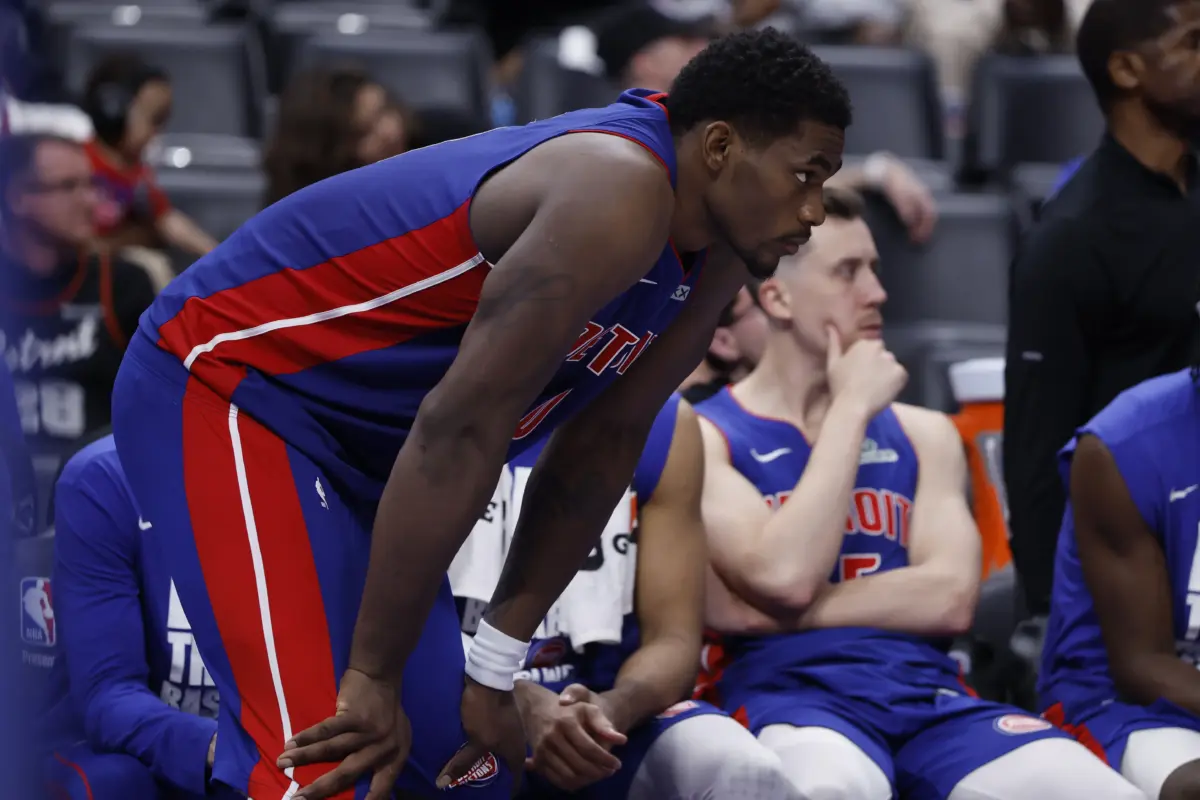
One of the biggest questions facing the Pistons this offseason will be Jalen Duren’s next contract. His regular-season production earned him his first All-Star selection and an All-NBA Third Team nod, but his playoff performance left plenty to be desired. With a potential $287 million extension looming, Detroit will face an important decision. But should there really be much debate?
Duren struggled in the postseason. He drifted away from the things that made him an effective offensive weapon and failed to adjust to the way defenses attacked him. But he’s also just 22 years old. Players his age are supposed to experience growing pains, and Duren still possesses the size, athleticism and upside teams spend years trying to find.
No matter how frustrating the playoffs may have been, it’s hard to imagine a fan base ready to give up on a player who hasn’t even entered his prime. The maximum number itself may be worth debating, but the decision to keep Duren shouldn’t be. Players with his age, production and physical tools don’t become available often.
Don’t Forget the Veterans
In addition to Duren, Tobias Harris and Javonte Green are also in line for new contracts. For a team built around a young core, retaining veterans who understand how to navigate the ups and downs of an NBA season is just as important as adding talent. Culture matters, and Detroit has worked too hard to establish one to start over.
Harris’ second stint with the Pistons has been a success. He stabilized the power forward position, provided leadership in the locker room, and remained a reliable presence on the floor. When the lights got brighter in the playoffs, Harris elevated his play and proved he could still be counted on as a scoring option when needed. With a mutual feeling to return, Harris will be a key priority for the Pistons.
Green’s late-offseason signing turned out to be one of Detroit’s better under-the-radar moves. He carved out a role in the rotation, appeared in all 82 games, and became one of the team’s most dependable defensive wings off the bench. While his playoff minutes were limited, players like Green provide value that goes far beyond the box score.
Ultimately, the numbers will determine whether Harris and Green return. But if the price is reasonable, the Pistons should make every effort to keep them.
How Much Is Too Much?
The offseason is where stars change teams, and the Pistons could find themselves in the middle of those conversations. The question isn’t whether Detroit should be aggressive. It’s how much should be considered untouchable in the pursuit of contention.
For teams looking to win now, draft picks and young assets are often the price of doing business. The New York Knicks parted with multiple first-round picks to acquire Mikal Bridges to help maximize their championship window. Championship aspirations often require uncomfortable decisions.
At the same time, history has shown that trading future assets comes with risks. Young players don’t always develop into stars, nor do established players guarantee championships. The Clippers’ decision to include Shai Gilgeous-Alexander in the Paul George trade helped create the foundation for Oklahoma City’s rise, while Los Angeles never reached the ultimate goal.
The Pistons have drafted well in recent years, giving them another difficult question to answer. Do you continue betting on internal development, or do you cash in some of those assets for more established talent? There is no perfect answer. The challenge for Detroit will be finding the balance between building for tomorrow and capitalizing on an opportunity today.
The Last Word
The rebuild is over. Now comes the hard part. The Detroit Pistons don’t need to win the offseason—they need to make sure their next move matters.
Rick Osentoski-Imagn Images