
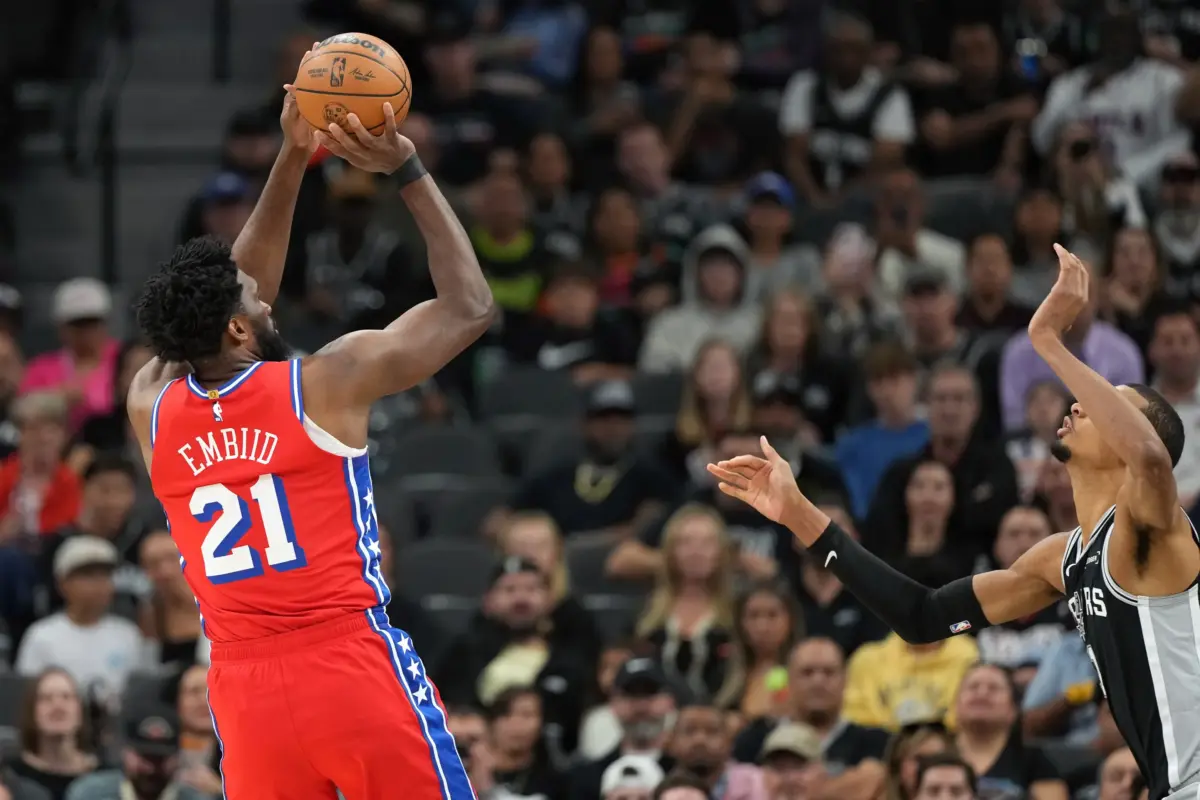

PHILADELPHIA — For rival front offices watching this high-stakes chess match unfold, the bruising battle provided the 1 lesson Philadelphia 76ers can learn from NBA finals already if they hope to survive the league’s new size era.
1 Lesson Philadelphia 76ers Can Learn From NBA Finals To Solve Big Crisis
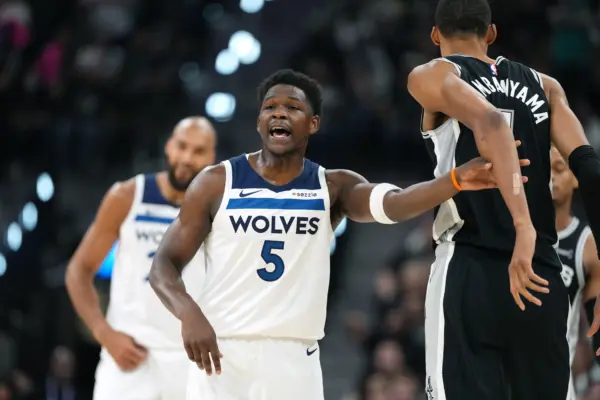
The opening clash of the 2027 NBA Finals was a brutal, low-efficiency defensive blueprint that completely reshaped how modern frontcourts must be constructed. The New York Knicks leaned on physical, relentless interior resistance to shock the San Antonio Spurs 105-95 on their home floor, seizing a crucial 1-0 series lead. While Karl-Anthony Towns dominated headlines by bodying Victor Wembanyama into a miserable 6-for-21 shooting night, the basketball world knows the 7-foot-6 phenom is entirely capable of bouncing back with an all-time legendary performance in Game 2.
Navigating The Multi-Wing Spending Advantage
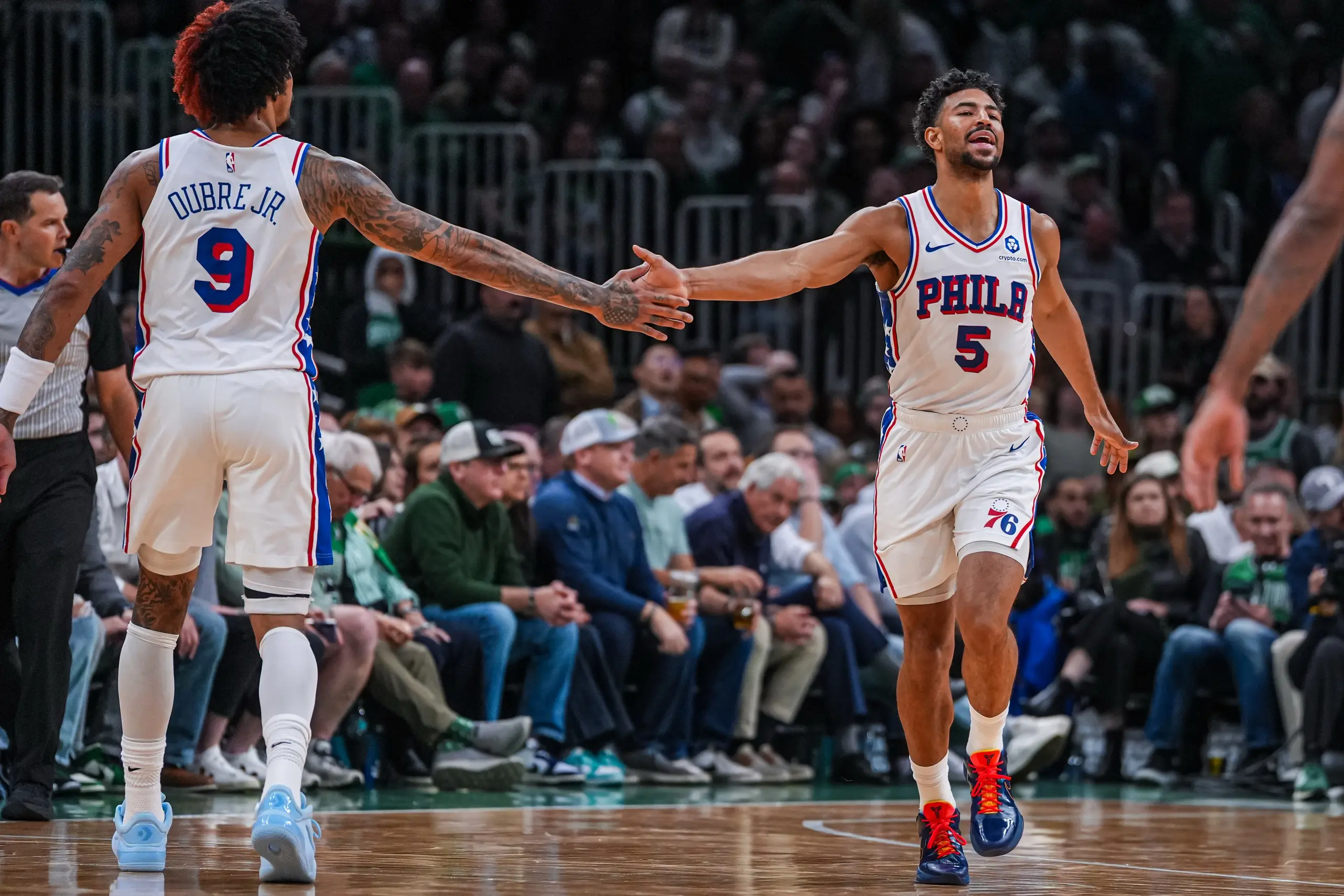
To mimic New York’s defensive success against transcendent size, new President of Basketball operations Mike Gansey must perfectly navigate a delicate 2026-27 cap sheet balancing act this summer. The Sixers currently have 11 players under contract, but their immediate financial destiny hinges on upcoming free agent decisions regarding Quentin Grimes and Kelly Oubre Jr. Both high-motor wings are tracking toward sizeable cap holds that will comfortably exceed the non-taxpayer mid-level exception.
While heavy cap holds typically terrify front offices, this unique structure gives Philadelphia a massive strategic advantage. Because they hold Bird rights on both players, the Sixers can exceed the luxury tax threshold to outbid external suitors who are restricted by standard exception limits. Retaining this duo alongside Paul George and sophomore guard VJ Edgecombe gives Philly a devastating arsenal of perimeter modern wing options, but the interior infrastructure remains terrifyingly incomplete behind Joel Embiid.
Resolving The Glaring Roster Size Discrepancy
The tactical reality of Game 1 proved that a team cannot battle generational size with perimeter speed alone. While Embiid, George, and Tyrese Maxey provide an elite championship foundation, Embiid’s checkered injury history and standard drop-coverage limitations mean Philadelphia is a massive interior anchor away from being truly “Wemby-proof.” Relying on current bench options to contain a historic center rotation during a deep playoff run is a mathematical impossibility.
Adem Bona has been genuinely impressive in short regular-season phases, but he simply cannot guard a 7-foot-6 powerhouse while giving up nearly ten inches in raw height. Similarly, Dominick Barlow lacks the lower-body bulk to anchor the restricted area when Embiid hits the bench. Securing an elite, bruising backup center who can eat up physical minutes—or even slide alongside Joel Embiid in twin-tower line-ups—is the defining 1 lesson Philadelphia 76ers can learn from NBA finals already.
Capitalizing On Mid-Season Asset Volatility
Fortunately for the Sixers, resolving this massive frontcourt flaw does not require a panicked, over-market signing during the chaotic July moratorium. While Philadelphia does not own a selection in June’s draft, the now-departed Daryl Morey has quietly preserved an immaculate treasury of future draft capital, owning a first-rounder in every single draft for the foreseeable future. This gives the franchise incredible flexibility as an aggressive buyer on the trade market.
Instead of rushing into a flawed free-agent deal, the wisest path forward is maximum patience until the winter trade deadline. Waiting until mid-season allows early trade restrictions on recently signed players to completely melt away across the league. By holding their fire, the Sixers can survey the entire landscape, deploy their premier future draft assets, and acquire a legitimate, playoff-tested defensive center capable of handling the league’s ultimate size crisis.
Credit:© Scott Wachter-Imagn Images